
Introduction
Oriental rugs are more than floor coverings; they are handwoven textiles with history, beauty, and craft that deserve careful attention. In Tampa, Florida, where coastal breezes, summer storms, and year-round humidity shape how homes live, caring for these textiles requires a thoughtful plan. Whether your rug is a family heirloom or a recent find, the right approach to maintenance can extend its life, preserve its colors, and keep your home healthier. If you have been wondering where to begin, professional guidance and periodic rug cleaning can complement your routine care and protect your investment.
Unlike broadloom carpet, an Oriental rug has a distinct foundation, pile, dyes, and finishing details that respond differently to soil, moisture, and sunlight. Understanding those differences allows you to tailor your upkeep to Tampa’s climate and your household’s traffic patterns. This guide explains what makes Oriental rugs unique, how to maintain them between deep cleanings, what to expect from a professional wash, and how to choose a specialist who understands traditional weaving and modern conservation standards.
What Makes Oriental Rugs Unique
Handwoven Oriental rugs often combine wool pile with cotton warps and wefts, and sometimes silk. Wool’s natural lanolin offers resilience and a degree of soil resistance, while cotton provides structural stability. Many older rugs use natural dyes that can respond unpredictably to poor cleaning chemistry or excess moisture, and modern rugs may use acid dyes that are vibrant but still require controlled processes. Rug construction details—such as asymmetrical Persian knots, symmetrical Turkish knots, or flatweave structures—affect how dirt becomes embedded and how a rug should be dusted and washed.
The fringe is part of the rug’s foundation, not a decorative add-on. Excessive abrasion, bleach exposure, or harsh agitation can weaken fringes and invite unraveling. Side cords keep edges strong; if those cords break, the pile near the edges can loosen. Understanding these elements helps you spot early signs of wear so you can intervene before minor issues grow into repairs.
Tampa Climate and Everyday Risks
Humidity in Tampa accelerates certain problems. Airborne moisture encourages fine particulate to cling to fibers, so soil builds up faster than it might in a drier region. Afternoon showers and tropical storms add moisture tracked in on shoes and paws. Salt-laden air near the bay, sunscreen residues, and sandy grit from local beaches can all contribute to abrasion that dulls wool tips. Managing humidity indoors with ventilation and routine vacuuming can offset many of these factors while keeping the home comfortable.
Sunlight is another Tampa reality. Prolonged UV exposure can fade reds, blues, and blacks, especially on rugs placed near sliding doors or bright windows. Consider rotating your rug every few months to even out wear and light exposure. Use sheers or UV-filtering window films where feasible. Rug pads can mitigate slippage on tile or hardwood and reduce stress on fibers by absorbing impact from foot traffic.
Daily and Weekly Maintenance
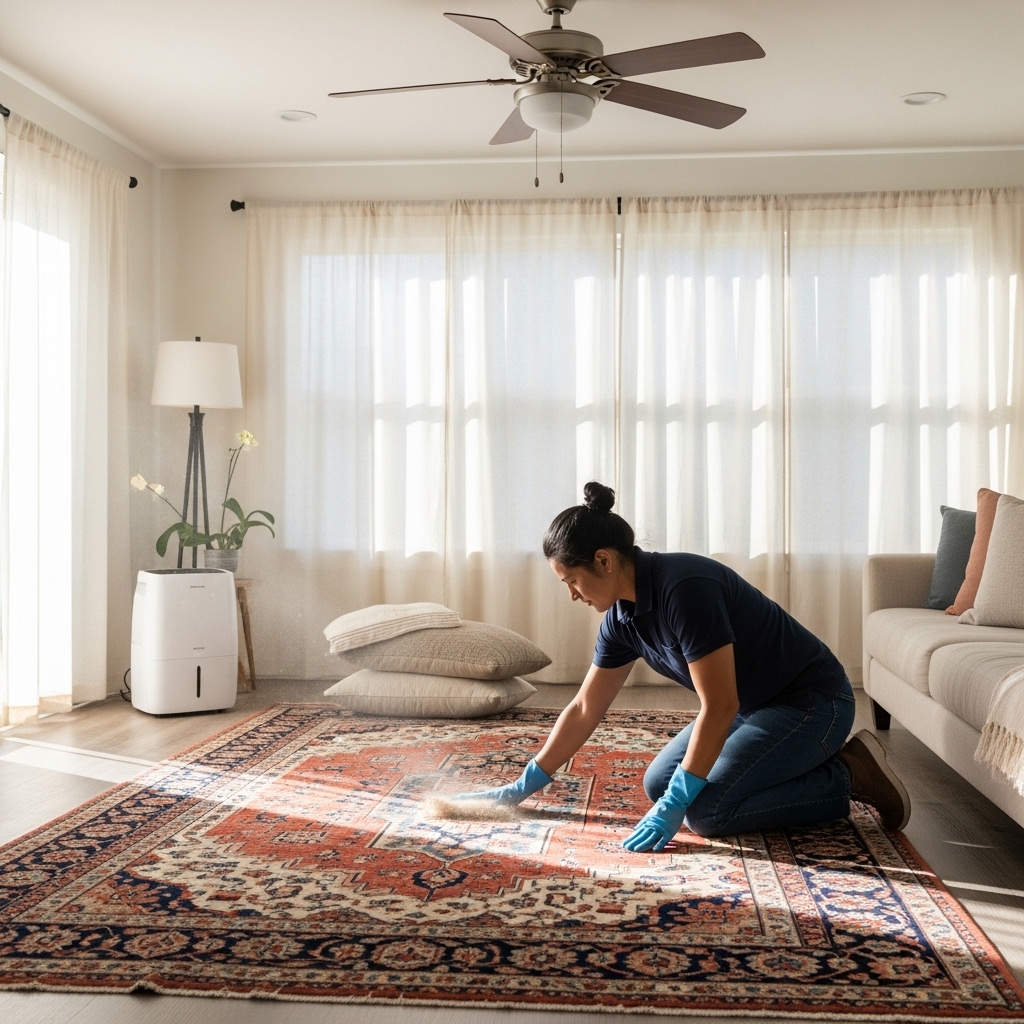
Vacuuming is the foundation of Oriental rug care. Use a canister vacuum with suction only, or if your machine has a beater bar, ensure it is set high and gentle. Vacuum the face with the nap and occasionally against it to lift embedded dust, then flip the rug to vacuum the back. Back vacuuming helps vibrate out grit that settles near the foundation. Aim for a cadence that matches your lifestyle: higher-traffic rooms may need two to three light vacuumings per week, while lower-traffic areas may do well with once weekly attention.
Rug pads do more than prevent slips; they reduce flexing that can fracture fiber tips and keep a rug flatter and quieter underfoot. Choose a pad designed for your flooring type so finishes are not harmed. In Tampa’s humidity, a breathable pad is beneficial because it allows airflow and discourages trapped moisture. Periodically lift the rug to check for fine dust on your floor; if you see powdery soil, your rug likely needs more thorough dusting sooner than later.
Spill and Spot Response
When a spill occurs, speed and restraint are key. Blot immediately with white cloths to remove as much liquid as possible without rubbing. For food spills, gently lift solids with a spoon. Use cool water sparingly to rinse the area, then blot again. Avoid household spotters that contain oxidizers or high alkalinity; these can strip color or damage wool. If an area stays discolored, it may require a controlled cleaning bath to fully release residues and oils. Remember that many dyes are sensitive to pH and heat, so less is more until a specialist can evaluate the situation.
Pet accidents are common and require careful handling. Urine changes the pH of dyes and can unlock color, creating migration during improper wet cleaning. It can also penetrate to the cotton foundation, where residues cause odor that resurfaced humidity can reactivate. Blot thoroughly, use a light rinse with cool water, and avoid scented products that mask rather than resolve. A professional decontamination process is often the only way to fully address odor in the foundation and restore a healthy rug.
Deep Cleaning: What Professional Washing Involves
True Oriental rug washing is different from wall-to-wall carpet cleaning. A specialist begins with inspection and dye testing to anticipate how the rug will respond. Dry soil removal, often called dusting, uses vibration, air, and controlled beating to release grit that vacuuming cannot reach. This step is crucial because washing a dusty rug creates mud within the pile, reducing results and potentially abrading fibers. After dusting, a carefully chosen cleaning solution and cold-to-lukewarm water are used to bathe the rug, agitate gently, and rinse thoroughly. Controlled flow ensures soil and residues are fully removed.
Fringe requires separate attention. Cellulose fibers like cotton are vulnerable to abrasion and harsh chemistry. Gentle brushing aligned with the warp direction keeps fringes tidy without weakening them. After washing, thorough rinsing and water extraction set the stage for proper drying. Rugs are often hung or laid flat in climate-controlled drying rooms with strong airflow and dehumidification to prevent wicking or color migration. Midway through your maintenance calendar, partnering with a provider for professional rug cleaning can reset the textile, restore vibrancy, and extend the time between washes.
Drying and Post-Cleaning Care
Rapid, uniform drying protects both dye stability and fiber shape. Wool can hold a surprising amount of water; if left damp too long, the risk of odor, browning, or distortion rises. In Tampa, where ambient humidity fluctuates, controlled drying rooms make a significant difference. Once dry, grooming aligns the nap, and a final inspection checks edges, fringe, and any previous repairs. On delivery, placing the rug on a clean, dry pad and avoiding heavy furniture for a day helps the pile settle and prevents premature compression lines.
After a wash, your maintenance rhythm becomes easier. Soil does not accumulate as quickly on freshly cleaned fibers, and colors look brighter because embedded dust no longer scatters light. Take advantage of this reset by recommitting to routine vacuuming and periodic rotation. If a spill occurs soon after cleaning, it is often easier to remove because soil and residues are gone.
Color and Dye Stability
Many Oriental rugs feature saturated reds and blues that can crock or bleed if mishandled. A skilled cleaner tests dyes before washing and may use stabilizing rinses to minimize movement. At home, avoid steam, hot water, and high-alkaline spotters. Never place a damp rug back on the floor without adequate airflow; moisture trapped beneath can transfer color or cause yellowing. Tampa’s humidity magnifies this risk, so err on the side of drying longer with fans before resetting furniture or walk paths over a recently cleaned area.
Color change does not always mean damage. Sometimes a rug appears dull because fine dust coats the fibers; thorough dusting and washing can reveal colors you forgot were present. Conversely, fiber wear can create a matte look that only repair—not cleaning—can resolve. An experienced professional will help you distinguish between soil-related dullness and pile wear so your expectations align with what cleaning can achieve.
Pet and Odor Considerations
Odor issues stem from residues in the foundation more than the visible pile. Tampa’s warm climate can reactivate lingering scents, especially during summer. An in-plant bath designed for decontamination flushes the entire textile, not just the surface. Enzyme dwell times, controlled rinsing, and thorough drying neutralize the source. Masking fragrances may smell pleasant initially but rarely solve the root problem. When accidents recur in a similar spot, consider a training mat over your rug or temporarily moving the textile until behaviors stabilize.
For households with allergies, dust mites and fine particulates can accumulate within the rug. Periodic professional dusting and washing reduce allergens and improve indoor air quality. Combined with HEPA filtration vacuuming, the result is a cleaner, more comfortable home.
Rotations, Pads, and Furniture
Rotation every few months distributes foot traffic and light exposure, helping patterns wear evenly. If one side of the rug faces the window, the rotation schedule should be shorter. Furniture coasters under legs prevent dents in the pile and reduce stress on the foundation. When moving heavy pieces, lift rather than drag to avoid stressing side cords and fringe. A quality rug pad tailored to your flooring helps the rug stay flat and protects both rug and floor from friction.
Entry habits matter too. Encourage family and guests to remove shoes or use doormats that capture grit before it reaches your Oriental rug. Pet grooming reduces shedding and dander that otherwise work into the pile. Small lifestyle adjustments pay large dividends in reduced wear and longer intervals between deep cleanings.
When to Work with a Professional
Signs that your rug needs a thorough wash include a dull look despite vacuuming, a puff of dust when you tap the back, noticeable odor after a rainy day, or fringe that looks dingy. If a spill’s outline reappears after you spot clean, residues are likely in the foundation and require full immersion to remove. Consider an inspection whenever you notice edge fraying, a loose side cord, or small holes—repairs are most successful when performed early.
Busy households in Tampa often benefit from planning a cleaning cycle around seasons. A post-winter refresh removes seasonal humidity residues and holiday traffic soil, while a late-summer wash can address moisture-related odors. Align service with your calendar so the rug returns in time for guests or family events.
Choosing a Tampa Specialist
Look for a cleaner who offers in-plant washing designed specifically for rugs, not only on-location carpet work. Ask about dye testing, dusting methods, drying controls, and how fringe is handled. An experienced provider will explain the workflow, set realistic expectations, and discuss any pre-existing conditions. Facilities that welcome customer visits or provide process photos offer helpful transparency. Reviews can provide context, but prioritize technical expertise and a conservation mindset over splashy before-and-after images.
If you own multiple Oriental rugs, consider working with the same specialist over time. Familiarity with your textiles builds a care history that informs future decisions. Many owners appreciate scheduling pick up and delivery for convenience, especially for larger room-size pieces.
Longevity and Preservation Tips
Small habits add up. Keep plant pots off rugs to prevent moisture rings. Avoid placing a damp towel or clothing on the pile. If your rug is near a doorwall, make sure rainwater cannot wick underneath. For long-term storage, roll—do not fold—the rug with the pile inward, wrap it in breathable material, and store it off the floor in a clean, climate-stable area. Moth deterrence is crucial for wool rugs; routine use discourages infestation far better than reactive treatments.
Documentation matters for heirloom pieces. Photograph your rug after each professional wash to track appearance and note any repairs. If you ever need appraisal or insurance support, a paper trail will make the process smoother. Caring for an Oriental rug is ultimately about stewardship—protecting craftsmanship so it can be appreciated for generations.
FAQ
Q: How often should an Oriental rug be washed in Tampa? A: Frequency depends on traffic, pets, and environment. Many homes benefit from a professional wash every one to three years, with routine vacuuming and rotation in between.
Q: Can I steam clean an Oriental rug? A: Direct steam or on-location methods designed for carpet are not appropriate for most Oriental rugs. In-plant washing with dye testing, thorough rinsing, and controlled drying is safer and more effective.
Q: What is the safest way to clean fringe at home? A: Lightly groom fringe with a soft brush in the direction of the warp and avoid harsh chemicals. If fringe is heavily soiled or tangled, seek a professional’s help to prevent damage.
Q: My rug smells musty after a storm. What should I do? A: Increase airflow and avoid walking on the rug until it is dry. If odor persists, the foundation likely holds moisture and residues that require an immersion wash and controlled drying.
Q: Are natural dyes more delicate than synthetic dyes? A: Both can be stable when treated properly. The key is dye testing and using processes that respect the dye chemistry rather than assuming one method fits all rugs.
Q: Can pads damage floors? A: The wrong pad can react with floor finishes. Choose a pad suited to your flooring type and avoid adhesives. Breathable pads are ideal for Tampa’s climate.
Q: How do I know if my rug needs repair versus cleaning? A: If you see missing knots, exposed warps, broken side cords, or curling edges, that is structural and calls for repair. Cleaning enhances appearance but does not fix construction issues.
Ready to Refresh Your Rug?
If your Oriental rug looks dull, releases a puff of dust when tapped, or carries lingering odor after humid days, now is an ideal moment to give it the care it deserves. Schedule a convenient pickup and let specialists handle dusting, washing, and drying with precision. For a trusted, local path to renewed color and softness, explore expert rug cleaning and enjoy the difference every time you step onto your rug.