
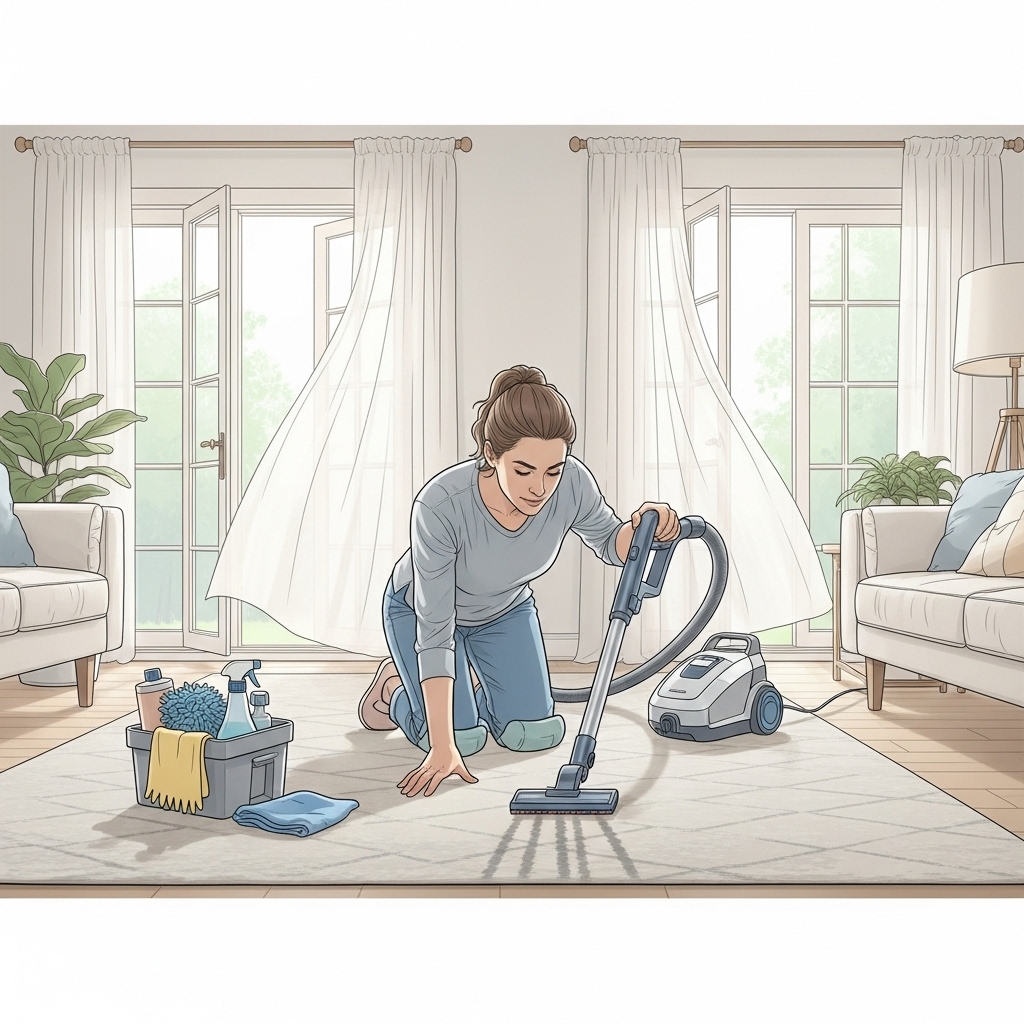
Why a Detailed Area Rug Cleaning Checklist Matters in Naperville
Area rugs anchor rooms, soften footsteps, and protect your floors. In Naperville, Florida—where seasons swing from snowy winters to humid summers—rugs face unique challenges: tracked-in road salt, spring mud, seasonal allergens, and the occasional pet mishap. A clear, repeatable routine keeps fibers healthy, colors vibrant, and your home feeling fresh. This guide provides a complete, step-by-step checklist designed for Tampa households, from busy family homes to quiet condos downtown. Along the way, you will also learn when a professional touch makes the most sense for deep soil, lingering odors, or delicate fibers—plus how to coordinate care around our local climate. If you are just getting started, the simple framework below will help you decide what to do daily, weekly, monthly, and seasonally, so maintenance is easy rather than overwhelming. For especially stubborn issues or heirloom pieces, consider trusted rug cleaning support to preserve beauty and longevity.
Think of this as your master playbook. You can print it, adapt it for each rug, and share it with family members so everyone follows the same simple steps. The secret is consistency: light, regular upkeep dramatically reduces the need for intensive interventions later. You will find checklists for fiber identification, spot treatment, pet accidents, allergy-friendly routines, and safe storage, plus a troubleshooting section for common mistakes like over-wetting and color bleed. Use the sections that fit your home today and bookmark the rest for seasonal refreshes.
Know Your Rug: Fiber and Construction Basics
Before cleaning, identify what you own. Materials and construction dictate everything from vacuum settings to moisture tolerance.
- Wool: Durable, naturally soil-resistant, and resilient. Tolerates moderate moisture but can felt or shrink with aggressive agitation or heat.
- Cotton: Soft, breathable, and quick to absorb spills. Gentle washing is possible, but color bleed is a risk with poor dyes.
- Synthetics (nylon, polyester, olefin): Great for high-traffic zones. Often more stain-resistant, but oil-based soils can cling; avoid excessive heat.
- Silk and art silk (viscose/rayon): Luxurious sheen but very delicate. Susceptible to water rings, pile distortion, and color movement; handle with extreme care.
- Natural plant fibers (jute, sisal, seagrass): Beautiful texture, low moisture tolerance. Spot-clean conservatively; avoid saturation.
Construction matters too. Hand-knotted and hand-tufted rugs behave differently from machine-made runners or flatweaves. Backing materials, adhesives, and fringe details can all react uniquely to moisture and agitation. When in doubt, test small, inconspicuous areas first.
Essential Tools and Supplies
Equip a small caddy so you are always ready for quick routines and unexpected spills.
- Vacuum with adjustable height, suction control, and a brushroll on/off switch.
- Rug beater or soft brush for outdoor dusting when weather allows.
- White cotton towels or microfiber cloths for blotting.
- Spray bottles labeled “plain water” and “mild solution.”
- Mild, wool-safe detergent or pH-balanced cleaner.
- Enzyme-based spot cleaner for protein-based soils (pets, food).
- Soft-bristle upholstery brush and a small detailing brush for fringe.
- Rubber gloves and a knee pad for comfort during spot work.
- Fans or open windows for airflow; in winter, rely on room fans and furnace circulation.
- Rug pad sized to each rug to limit slipping, cushion traffic, and reduce fiber wear.
Pre-Clean Inspection Checklist
Before any routine, pause to observe. A one-minute inspection can prevent damage and save time.
- Note fiber type and construction (tag or purchase notes if available).
- Check for color instability by blotting a damp white cloth on a hidden corner.
- Map trouble zones: entry edges, dining areas, pet-frequented spots.
- Look for pre-existing damage: loose edges, pulled threads, lifted backing, or brittle fringe.
- Confirm the rug pad is intact and properly fitted.
Daily and Weekly Maintenance
Light, consistent upkeep combats Naperville’s tracked-in grit and seasonal allergens.
- Daily quick pick-up: Shake off light dust or crumbs by hand if practical.
- Entry etiquette: Keep boot trays by doors during winter to minimize salt transfer.
- Weekly vacuuming: Use gentle suction; turn off the beater bar on delicate rugs. Vacuum both sides when possible.
- Edge care: Use crevice tools along baseboards and under furniture legs.
- Spot patrol: Address spills within minutes to prevent wicking and stains.
Monthly Refresh Routine
Once a month, commit to a slightly deeper maintenance round.
- Lift and vacuum underneath the rug and pad to remove hidden grit.
- Lightly brush pile direction to revive texture and even out footprints.
- Rotate 180 degrees to even wear patterns and fading—especially near sunny windows.
- Blot and treat any newly noticed spots; never scrub aggressively.
- Air out the room with cross-ventilation if weather allows; in winter, use fans.
Seasonal Deep-Clean Checklist (Naperville-Focused)
Seasonal transitions are ideal for deeper attention. Salt from winter, pollen from spring, lake-effect humidity, and fall leaf debris all leave traces.
- Winter recovery: Thorough vacuuming (front and back), attention to entry rugs, and gentle fringe grooming.
- Spring refresh: Address pollen and mud; pre-treat tracked paths with a wool-safe solution where applicable.
- Summer humidity control: Ensure rugs are fully dry after any cleaning; use dehumidifiers to prevent musty odors.
- Fall prep: Rotate rugs, check pads, and inspect for minor repairs before holiday traffic increases.
- Professional evaluation: For thick pile or heirloom pieces, schedule periodic expert assessment to protect dyes and structure.
Spot and Spill Response Protocol
Speed and technique matter more than force. Follow this order of operations for reliable results.
- Blot immediately with a clean white towel—no rubbing.
- Test: If needed, test solution on a hidden area for color stability.
- Treat: Apply a small amount of appropriate cleaner (enzyme for pet or food; mild detergent for general spills).
- Agitate lightly with a soft brush in the direction of the pile.
- Rinse by blotting with a water-damp cloth.
- Dry rapidly with fans; place a towel underneath to catch moisture that wicks downward.
- Reassess after drying. If shadowing remains, repeat carefully or consult an expert.
Pet Accident Action Plan
Tampa pet parents know that occasional accidents happen. The key is quick, gentle action that neutralizes odors without spreading moisture.
- Remove solids and blot liquids thoroughly.
- Apply enzyme solution according to label; allow proper dwell time.
- Blot again to remove residue; avoid saturating backing.
- Dry from both sides if possible; prop the rug for airflow.
- Repeat the process for lingering odor sources; deep issues may require a full wash.
Allergy-Friendly Routine for Pollen and Dander
Seasonal allergies can spike when windows open or during yardwork weekends.
- Increase vacuum frequency during peak pollen weeks.
- Use HVAC filters with regular replacement to reduce airborne particulates that settle into rugs.
- Leave shoes at the door; provide a mat for guests.
- Run a room fan during and after cleaning to speed dry times.
Safe Drying Practices
Naperville’s humidity fluctuates. Drying mistakes can lead to odors or dye migration.
- Never leave a damp rug flat on a non-breathable floor; elevate airflow if needed.
- Use fans pointed across the surface, not directly downward, to prevent pushing moisture deeper.
- Avoid direct hot sunlight on sensitive fibers; opt for indirect air movement.
- Confirm the rug and pad are fully dry before repositioning furniture.
When to Call the Pros
Some situations require specialized knowledge, tools, and wash processes. Consider expert help if you encounter:
- Persistent odors that return after normal drying.
- Color bleeding or browning that worsens as the rug dries.
- Heavy soil load from seasons of traffic or renovation dust.
- Delicate fibers (silk, viscose) or complex construction (antique hand-knotted pieces).
- Comprehensive wash needs after water intrusion or pet saturation.
Midyear is a smart time to consider expert support, especially after winter or before entertaining season. A trusted local team can tailor methods to your fiber type and home conditions so you get the clean you need without risk. If you prefer a hybrid approach, handle routine maintenance yourself and let a specialist take care of periodic deep work, including safe drying and dye-stability management. For a balanced plan, many homeowners complement their routine with periodic rug cleaning performed by trained technicians who understand fiber-specific care.
What to Avoid: Common Cleaning Mistakes
- Scrubbing vigorously: This distorts pile and drives soil deeper.
- Over-wetting: Can cause shrinkage, adhesive breakdown, or dye movement.
- Using harsh chemicals: High-alkaline or solvent-heavy products may strip finishes and fade colors.
- Skipping testing: Always spot-test a hidden area.
- Neglecting the pad: A compromised pad telegraphs wrinkles and traps moisture.
Storage and Rotation Checklist
Protect rugs during home projects, travel, or seasonal décor swaps.
- Vacuum and fully dry the rug first.
- Roll (do not fold) with pile inward to protect the face fibers.
- Wrap in breathable material; avoid plastic for long-term storage.
- Store off the floor in a dry, cool space.
- Check periodically for pests or moisture; rotate rugs in use every few months to balance wear.
Dining Room and Kid Zone Strategy
Spaces prone to spills benefit from proactive protection.
- Choose a low-pile rug with a quality pad to minimize tip-over and absorb shock.
- Assign “spill stations” with towels and mild cleaner within reach.
- Teach a three-step response: blot, treat, dry.
- Schedule a monthly deep vacuum and quarterly rotation.
Basement and Entryway Special Considerations
Basements can harbor humidity, and entryways collect the harshest soils.
- Use dehumidifiers in below-grade spaces during humid months.
- Opt for synthetics or low-absorbency fibers at entries.
- Place scraper mats outside doors to capture grit before it hits the rug.
- Set a weekly reminder to check for moisture under entry rugs after storms.
Fringe Care
Fringe is vulnerable to tangling and fraying.
- Gently align fringe by hand after vacuuming; avoid vacuuming fringe directly.
- Clean with a small, soft brush and minimal moisture.
- Address loose threads promptly to prevent unraveling.
Simple Maintenance Calendar
- Weekly: Vacuum, edge detail, quick spot check.
- Monthly: Rotate, underside vacuuming, light pile grooming.
- Seasonal: Deep refresh with thorough dust removal and careful spot treatment.
- As needed: Professional evaluation for delicate, odorous, or heavily soiled rugs.
FAQ: Area Rug Care in Naperville
Q: How often should I vacuum my area rugs? A: In high-traffic Tampa homes, aim for weekly vacuuming. During winter or allergy season, increase frequency to keep grit and pollen under control.
Q: Can I use a carpet shampooer on my rug? A: Many rug types are not designed for carpet-machines. Over-wetting and harsh agitation can damage fibers and cause color bleed. Stick with gentle methods or professional wash processes tailored to the rug.
Q: What is the safest way to handle pet accidents? A: Blot quickly, use an enzyme cleaner with proper dwell time, and dry thoroughly from both sides. If odors linger, consult a specialist for a deeper treatment plan.
Q: How do I prevent fading near sunny windows? A: Rotate rugs regularly, use window treatments to reduce UV, and consider placement that balances light exposure.
Q: My rug feels crunchy after drying. What happened? A: Residual cleaning agents can stiffen fibers. Rinse by blotting with clean water and dry more thoroughly with improved airflow.
Q: Is it okay to beat rugs outside? A: Yes, weather permitting. Avoid over-aggressive beating that can stress the foundation. A light dusting helps remove dry soil that vacuums may miss.
Q: How do I know when a full wash is needed? A: Persistent dullness, recurring spots that wick back, or odors despite routine care suggest embedded soils—good indicators it is time for a comprehensive wash.
Q: Can I clean silk or viscose myself? A: These fibers are extremely sensitive to moisture and agitation. DIY attempts often lead to texture distortion or dye movement. Seek expert guidance.
Ready to Refresh Your Rugs?
Your home’s rugs deserve care as thoughtful as the rest of your space. Follow the checklists above to keep everyday maintenance simple, prevent damage, and preserve color and texture through Naperville’s changing seasons. When you want advanced fiber-safe techniques, odor relief, or a full wash tailored to your rug’s construction, schedule professional rug cleaning with a team that understands materials, moisture control, and dye stability. A smarter routine today means softer steps, cleaner air, and inviting rooms all year long.