
Introduction
Knowing when to schedule deep carpet cleaning in Naperville, Florida is as important as choosing the right provider. The Midwest climate, school calendars, holiday gatherings, and pet routines all influence soil buildup and odor issues. Timing your appointments strategically can extend carpet life, maintain a fresh look, and support healthier indoor air. In this guide, you will learn seasonal scheduling tips, signs your carpets need restorative care, and how to plan maintenance between deeper visits. If you are weighing your options now, consider consulting a local expert in carpet cleaning who understands Naperville’s seasonal patterns and can design a schedule that fits your household.
Deep cleaning is not just a cosmetic refresh. It targets embedded dry soils, oils, and residues that regular vacuuming and spotting cannot fully remove. By aligning your calendar with your home’s traffic patterns and the local weather, you can keep carpets looking better for longer while minimizing disruption.
Seasonal Scheduling Strategy for Tampa Homes
Tampa experiences four distinct seasons, each with unique carpet challenges. Winter brings salt, slush, and more indoor time, which increases soil load. Spring introduces pollen and frequent rain, which contributes moisture and sticky soils. Summer’s humidity affects drying and can reactivate odors. Autumn brings leaves and fine particulates that work their way into carpet pile. Understanding these patterns helps you decide when a restorative cleaning will deliver the greatest benefit.
Many households find an early spring and late fall rhythm effective. Spring cleaning removes winter contaminants and prepares the home for open-window weather. Late fall service clears summer residues and readies carpets for holiday hosting and increased indoor activity. However, your personal schedule matters as much as the seasons. If you host gatherings in early summer, plan a deep cleaning a few weeks prior to allow for full drying and furniture setup.
Signs It Is Time for Deep Cleaning
Visual cues tell part of the story. Darkened traffic lanes that quickly reappear after vacuuming, persistent spots that wick back, or matted pile in walkways all signal the need for restorative care. Odors that return after routine cleaning indicate deeper contamination in the backing or pad. If you notice gray or black filtration lines along baseboards, especially near doors and HVAC returns, it is time to schedule a thorough service with targeted techniques.
Allergies and respiratory comfort can also guide timing. If family members experience increased symptoms during pollen-heavy months, deeper cleaning can remove trapped particles that vacuums miss. Likewise, households with pets may benefit from a proactive schedule to manage pet dander and occasional accidents.
Matching Methods to Soil Conditions
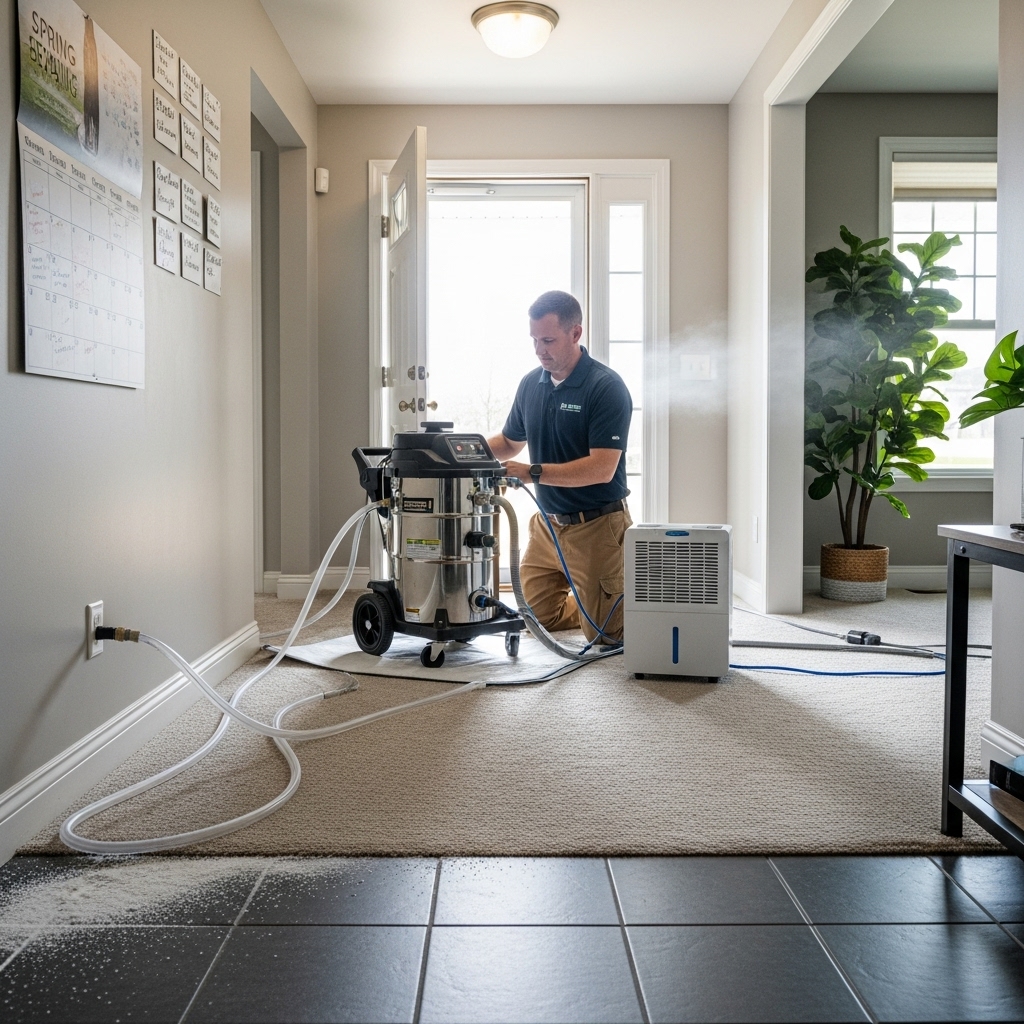
Restorative hot water extraction is ideal for deep soil removal in busy areas like family rooms, hallways, and stairs. The combination of heat, solution, and extraction flushes contaminants from the pile. Low-moisture or encapsulation methods are excellent maintenance tools between deep cleanings, especially for bedrooms and areas with low traffic. The best approach blends both: periodic extraction to reset the carpet, with low-moisture visits to maintain appearance and manage drying time.
In homes with pet odors, additional steps may be recommended, such as targeted treatments for affected areas. When contaminants reach backing or pad, surface cleaning alone will not solve the issue. A seasoned technician will explain realistic outcomes and offer a plan that tackles both hygiene and appearance.
Tampa Weather and Drying Considerations
Drying time varies with humidity, temperature, and airflow. In humid months, your cleaner may recommend running the HVAC fan, using air movers, and keeping windows closed to control moisture. In drier, cooler months, strategic ventilation can accelerate evaporation. Proper drying is crucial to prevent resoiling and to leave fibers stable and soft. Your cleaning schedule should account for a few hours of limited foot traffic and furniture replacement after service.
Basements and lower levels often demand extra airflow. If you plan a deep cleaning in these areas, coordinate fan placement and dehumidification. Preparation and aftercare are part of the scheduling decision—choose times when you can support drying with minimal disruption to your routine.
Event-Driven Scheduling
Beyond the seasons, life events drive the need for deep cleaning. Before listing your home for sale, a restorative service can enhance first impressions and photography. After a remodeling project, cleaning removes fine dust and residues that settle into carpet pile. Pre-holiday cleanings are popular to ensure a welcoming space for guests, while post-holiday appointments address spills, oils, and increased traffic from gatherings.
Families with school-aged children often align deep cleanings with school breaks, minimizing disruption and allowing adequate drying time. Pet owners may time appointments after litter box changes, crate training milestones, or veterinary incidents to reset odors and maintain comfort.
How Often Is Deep Cleaning Necessary?
Frequency depends on traffic, fiber type, and household habits. Busy homes with pets and children may benefit from deep cleaning every 6 months, supported by low-moisture maintenance in between. Quieter households may do well with annual deep cleanings. Consider a rotation: prioritize entries, family rooms, and stairs more frequently, then address bedrooms and less-used areas on a longer cycle.
It is helpful to track visual cues and note how long carpets maintain their refreshed appearance after each visit. Your provider can keep records and recommend adjustments, ensuring that your schedule evolves with your household’s needs.
Preparing for Deep Cleaning
Preparation streamlines the visit and improves outcomes. Declutter floors, move small items, and identify fragile furniture. Communicate special concerns, such as previous spills or pet areas, and provide access to water and parking. Plan for temporary adjustments to foot traffic and consider placing waterproof pads under furniture during drying if recommended by your technician.
After cleaning, follow advice for airflow and reduced use. Avoid placing rugs down too soon, and delay heavy furniture replacement until the carpet is sufficiently dry. These steps protect the cleaning investment and prevent imprinting or resoiling.
Maintenance Between Deep Cleanings
Routine care keeps carpets looking their best between restorative visits. Vacuum main walkways multiple times per week, using a vacuum with proper height adjustment and good filtration. Use walk-off mats at exterior doors to capture grit and moisture. Blot spills promptly with white towels, and consult your technician before using any spotter on delicate fibers.
Consider a maintenance plan that pairs seasonal low-moisture cleanings with annual or semiannual extraction. This layered approach supports appearance, hygiene, and fiber longevity with minimal disruption to your schedule.
Common Myths About Scheduling
Myth: You should wait as long as possible between deep cleanings. Fact: Delayed service allows abrasive grit to cut fibers and embed stains, making restoration harder. Timely cleaning prevents damage and preserves the carpet’s appearance. Myth: All deep cleanings take all day to dry. Fact: With proper technique, airflow, and humidity control, many areas are ready for light use within hours. Your provider will set expectations based on method and conditions.
Myth: If you vacuum frequently, you never need deep cleaning. Fact: Vacuuming is essential but cannot remove oils and residues that bind to fibers. Periodic extraction resets the carpet so vacuuming works more effectively.
Choosing Timeframes That Fit Your Routine
Pick appointment windows that align with your daily life. If you work from home, request a room sequence that keeps your workspace accessible. If you have pets, plan for temporary containment and consider scheduling when outdoor conditions support quick trips for breaks. For families, coordinate around school pick-up times and activities to reduce traffic during drying.
Communicate any constraints when booking. A professional team will tailor the plan, from arrival windows to airflow setup, so you get great results with minimal stress.
Frequently Asked Questions
Q: What is the difference between maintenance and deep cleaning? A: Maintenance services, often low-moisture, refresh appearance and delay resoiling. Deep cleaning, typically hot water extraction, removes embedded soils and residues for a more thorough reset.
Q: Can I schedule deep cleaning in winter? A: Yes. Winter cleanings are effective when airflow and humidity are managed. Technicians can use air movers and HVAC strategies to ensure appropriate dry times even in cold weather.
Q: How do I know if odors are in the pad? A: Persistent odors that return after surface cleaning often indicate deeper contamination. A technician can inspect and recommend targeted treatments suitable for the situation.
Q: Will frequent deep cleaning wear out my carpet? A: Properly performed cleaning protects fibers by removing abrasive soils. Over-wetting or poor technique can cause issues, which is why experienced professionals are important.
Q: Should I apply protector after deep cleaning? A: Protectors can help resist spills and slow resoiling, particularly in busy households. Discuss with your technician based on fiber type, traffic, and your maintenance plan.
Mid-Project or Post-Construction Cleanings
Renovation dust and residues settle deeply into carpet, even when areas were covered. If you have completed a project, schedule a deep cleaning to remove fine particulates, adhesives, and tracking from contractors. This step is especially valuable before moving furniture back and reopening the space to full use.
Coordinate with your contractor or remodel timeline. A well-timed cleaning smooths the transition back to everyday living and protects new finishes from residual grit migrated from adjacent spaces.
Plan Your Next Deep Cleaning Confidently
With a clear understanding of seasonal patterns, household events, and signs of soil buildup, you can create a schedule that keeps your carpets looking their best year-round. Communicate your goals, allow time for proper drying, and partner with a local expert who adapts to Naperville’s climate. When you are ready to align your calendar with your home’s needs, book professional carpet cleaning with a trusted team and enjoy fresher air, cleaner fibers, and a welcoming home.