
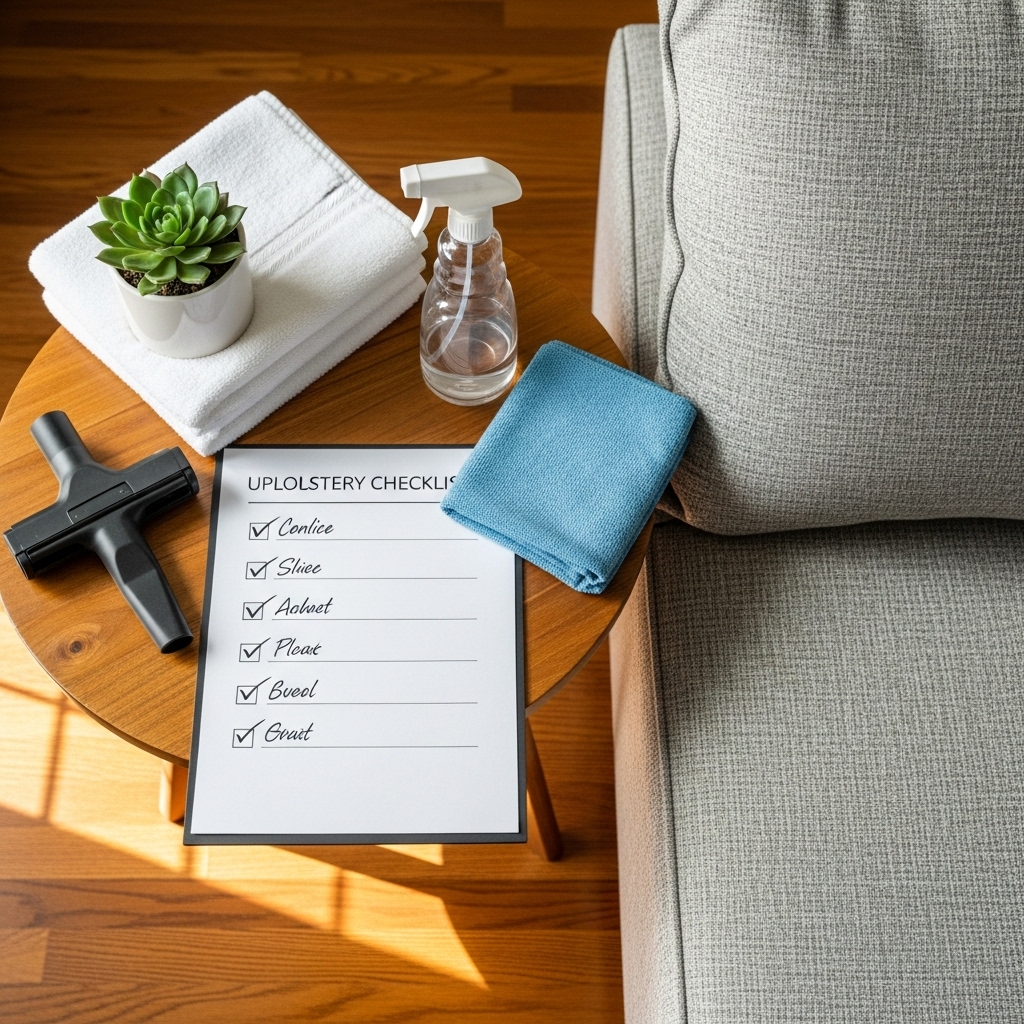
The Ultimate Upholstery Cleaning Checklist
A clear, actionable checklist turns good intentions into great-looking furniture. Tampa households juggle busy schedules, changing seasons, and active living rooms, so an organized plan is the easiest way to keep sofas, loveseats, recliners, benches, and dining chairs clean without overwhelm. Use this comprehensive walkthrough to structure your weekly, monthly, and seasonal tasks. You will also find targeted stain responses, odor controls, and safety notes to protect both your fabrics and your family. If you plan regular touchpoints with trusted pros, penciling in periodic upholstery cleaning keeps the whole routine on track and ensures a deeper reset when you need it most.
This checklist is designed to be flexible. If you have a home with lots of natural light, add extra attention to UV management. If your family includes pets or young children, double up on vacuuming and spot checks. If you entertain often, adopt a pre- and post-event routine so you never start a gathering with stale odors or scattered crumbs. Consider printing this plan and posting it in a utility closet with your cleaning kit, so anyone in the household can pitch in.
Weekly Checklist
- Vacuum all upholstered pieces with an upholstery tool. Work slowly and use overlapping passes. Pay attention to seams, buttons, and crevices.
- Lift cushions and vacuum underneath to remove crumbs that attract pests and create odor hot spots.
- Use a slightly damp microfiber cloth to gather pet hair, then vacuum again.
- Spot check arms, seat fronts, and headrests for body-oil marks and snack drips. Address any fresh stains immediately.
- Brush nap fabrics like velvet and chenille to realign the pile and prevent matting.
- Open windows briefly or run fans to refresh indoor air, especially after cooking or entertaining.
Monthly Checklist
- Rotate or flip cushions to even out wear and sun exposure.
- Wash removable throws and pillow covers according to care labels.
- Inspect sunlight patterns in your rooms and adjust blinds or sheer curtains to reduce UV fading.
- Deodorize with a light sprinkling of baking soda on dry fabric, then vacuum thoroughly.
- Check furniture feet and frames for wobble; shifting weight can distort cushions and seams.
- Review your spot cleaners and towels; restock anything that is running low.
Quarterly Checklist
- Conduct a careful pre-vacuum and then a light overall clean for W/WS fabrics using minimal moisture.
- Perform a solvent-only maintenance on S-coded pieces with proper ventilation and protective gloves.
- Groom nap fabrics thoroughly and address any flattened zones along seat fronts and arms.
- Assess odors and treat with enzyme cleaners where appropriate.
- Evaluate whether any pieces need professional attention due to widespread soil or delicate fibers.
Seasonal Adjustments for Naperville
- Spring: Pollen is high—vacuum more often and wash textiles that gather near windows or doors.
- Summer: Humidity slows drying—plan cleaning early in the day and use fans and air conditioning.
- Autumn: Leaves and outdoor dust hitch rides on jackets—add a quick brush-off routine before sitting.
- Winter: Salt and slush transfer from clothing—wipe down armrests more frequently and avoid overwetting in closed-window conditions.
Fabric Codes and How They Guide Your Choices
Locate the cleaning code on the manufacturer tag: W for water-based methods, S for solvent-only, WS for either, and X for vacuum-only care. This code dictates which products you should use and how aggressive you can be. For example, cotton-linen blends require careful moisture control to avoid water rings. Microfiber tolerates gentle agitation and benefits from alcohol-based spot methods on some stains. Performance fabrics may repel liquids initially but still need routine care to prevent residue build-up.
Spot and Stain Response Checklist
- Act fast: Blot with a white towel—never rub—to lift as much as possible immediately.
- Identify the stain type: Tannin (coffee, tea, wine), oil (food, lotion), dye (ink), protein (food, pet), or mineral (salt).
- Choose a compatible method: Club soda for fresh tannins on W/WS fabrics; baking soda plus vacuum for oils; isopropyl alcohol dab for certain inks; enzyme cleaner for pet accidents.
- Test in an inconspicuous area, then proceed in small sections.
- Use minimal product: Apply to the cloth, not the fabric, and work outward to inward.
- Rinse lightly when appropriate with a damp cloth and blot dry.
- Dry quickly with fans to discourage rings and odors.
Odor Control Checklist
- Ventilate regularly with short bursts of fresh air, even in winter.
- Use baking soda on dry fabric for general stale smells; vacuum thoroughly afterward.
- Apply enzyme cleaner on compatible fabrics for pet-related odors, following dwell-time guidance.
- Inspect foam cushions if odors persist—deep residues may require a more thorough extraction method.
Minimal-Moisture Deep Cleaning
When performing an overall cleaning on W or WS fabrics, restraint pays off. Foam-based products limit liquid load and help prevent moisture seeping into the foam. Always begin with a meticulous pre-vacuum. Next, apply a small amount of cleaner to a cloth or brush and agitate gently. Blot with clean towels as soil lifts. Follow with a light, clean-water pass on a cloth to reduce residue, then force dry with fans. This approach keeps fibers bright and prevents sticky finishes that attract fresh soil.
Solvent-Only Checklist
- Confirm the S code on the tag.
- Open windows and run fans for safe ventilation.
- Apply solvent to a cloth, not directly to the fabric.
- Work in small areas, allowing evaporation between passes to reduce rings.
- Wear gloves and keep away from heat or flame.
- Stop and reassess if you observe color transfer or texture change.
Middle-of-the-Plan Reset
About halfway through the year, review your results. If you are fighting multiple recurring spots, dullness, or subtle odors, a strategic reset can save time and restore confidence. Many households combine this moment with scheduled professional upholstery cleaning so that routine tasks remain quick and effective for the next six months. A professional refresh pairs deep soil removal with controlled drying, reducing the risk of rings and leaving fabrics easier to maintain.
Prevention and Protection Checklist
- Place side tables within reach to keep food and drinks off cushions.
- Use washable throws on favorite seats and pet perches.
- Rotate furniture periodically to even out sunlight exposure.
- Keep a labeled spot kit: white towels, neutral cleaner, club soda, baking soda, isopropyl alcohol, enzyme cleaner, and gloves.
- Adopt a quick brush-off habit for outerwear during leaf and salt seasons.
Troubleshooting Common Issues
Water rings indicate uneven moisture and residue. Expand your cleaning zone, rinse lightly, and dry evenly. Reappearing spots suggest wicking from deeper layers; repeat cleaning with better pre-vacuuming and stronger airflow. Dull fabric usually means residue—perform a careful rinse step and longer drying. Persistent odors point to foam saturation; you may need deeper extraction to reach inner layers safely. If the fabric is delicate or sentimental, pause and seek specialized guidance.
Frequently Asked Questions
Q: How often should I do a full, edge-to-edge cleaning? A: For most homes, once or twice a year is appropriate, with weekly vacuuming and immediate spot care in between. High-use rooms may need more frequent attention.
Q: Is it okay to use the same cleaner on every piece? A: No. Always check the fabric code and test in an inconspicuous area. A product that works on one sofa may damage another.
Q: What if my cushion covers are removable? A: Do not assume they are machine washable. Many covers can shrink or distort. If laundering is allowed, use the gentlest cycle and air dry flat to preserve fit.
Q: Can I eliminate all pet odors on my own? A: Many can be managed with enzyme cleaners and fast drying. Deep, persistent odors may require more advanced extraction.
Q: How do I avoid dye transfer from towels? A: Stick to white towels and cloths for all upholstery work. Colored towels can bleed onto damp fabric.
Q: What should I do if I see color on my cloth during testing? A: Stop immediately. That indicates dye instability. Switch methods or seek professional input to avoid irreversible changes.
Bring Your Furniture Back to Its Best
With a clear checklist and a small, well-stocked kit, keeping upholstery fresh becomes straightforward and stress-free. For a deeper reset that makes weekly tasks even easier, schedule a seasonal upholstery cleaning and enjoy a cleaner, more comfortable Tampa home.