
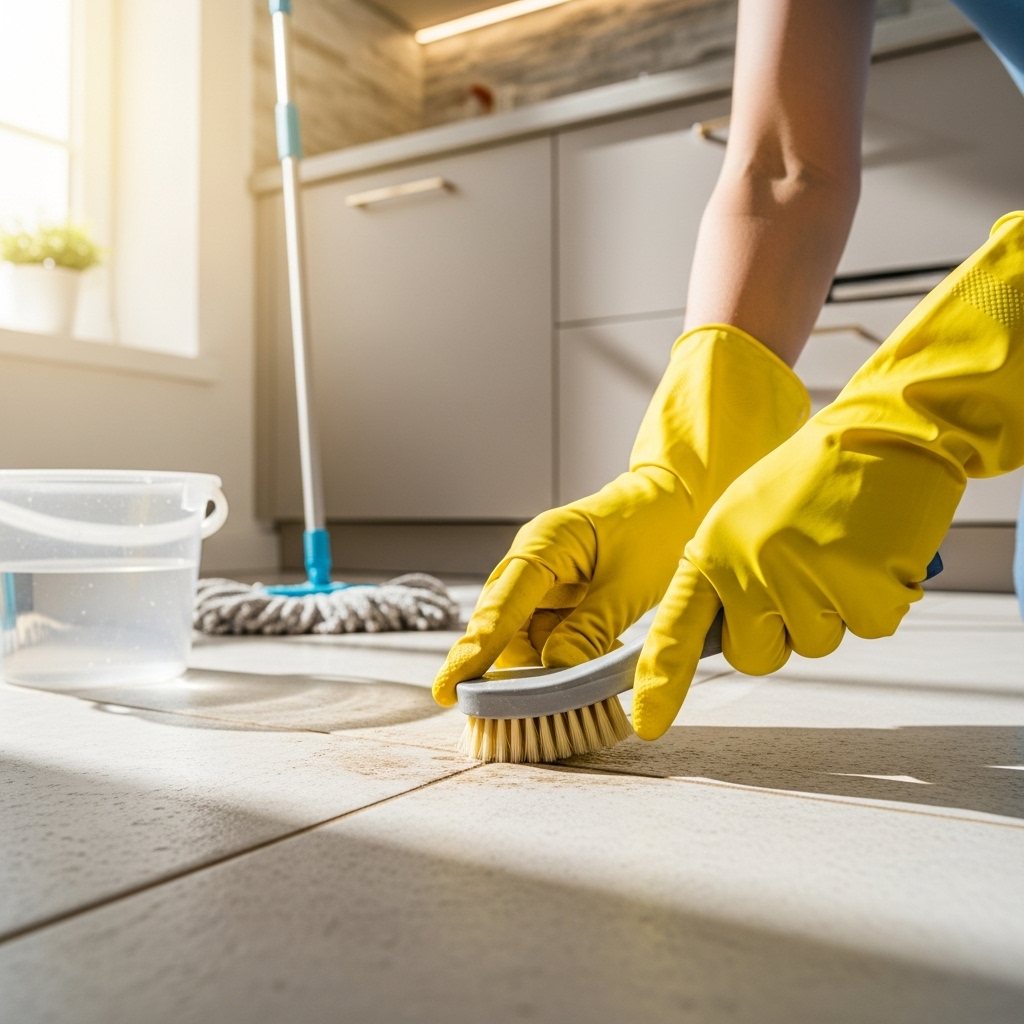
Tile and grout bring durability and style to Tampa homes, but our coastal climate and busy lifestyles can make floors and walls look tired faster than expected. Humidity, fine sand from outdoor fun, and everyday spills create a film that routine mopping cannot fully remove. If you are ready for a fresh start, this step-by-step guide explains exactly how to approach tile and grout cleaning in Tampa, Florida—from quick daily habits to deep restorative work. Whether you handle upkeep yourself or bring in the pros, a clear plan ensures cleaner results and a longer-lasting finish. To set expectations and understand what thorough service looks like, many homeowners begin by reviewing options for tile cleaning so they can compare methods and decide when a deeper extraction makes sense.
A successful cleaning plan starts with identifying what kind of tile and grout you have and how soils have built over time. Ceramic, porcelain, and natural stone each respond differently to chemistry and agitation. Grout type matters too: sanded joints are common on floors, while unsanded is typical on polished stone or narrow lines. Armed with this knowledge, you can choose safe products and techniques and avoid mistakes that lead to dullness or damage.
Step 1: Identify Your Tile and Grout
Look for clues. Porcelain and ceramic are often glazed and resist staining on the surface, but textured finishes can trap fine grit. Natural stones like marble or travertine have unique veining and require neutral pH chemistry. Slate and limestone are more porous and can scratch if scrubbed with overly stiff brushes. For grout, check texture and width; sanded grout feels gritty and is more abrasion-tolerant than unsanded, which needs gentler handling. Take photos and, if in doubt, ask a professional to confirm before you begin a deep clean.
Step 2: Gather Tools and Safe Chemistry
- Soft-bristle broom or hard-floor vacuum to lift dry soils.
- Microfiber mop and pads for even application and pickup.
- Neutral pH cleaner compatible with your tile type; avoid acidic products on stone and many grout types.
- Grout brushes of varying stiffness for lines and corners.
- Bucket with rinse water to prevent redepositing soil.
- Fans for air movement to speed drying and reduce humidity effects.
Choose cleaners designed for tile and grout. Citrus-based acids and harsh alkaline degreasers can etch stone or leave residues that attract dirt if not neutralized. A neutral cleaner paired with mechanical agitation and thorough rinsing is your safest baseline.
Step 3: Dry Soil Removal
Always begin dry. Sand and loose debris act like sandpaper if left on the floor during wet cleaning. Vacuum or sweep systematically, then use a dry microfiber pad to capture fine dust. Pay extra attention along baseboards and in the corners of kitchens and bathrooms, where grit accumulates.
Step 4: Pre-Treat and Dwell
Mix your cleaner per label directions and apply to a manageable area. Allow proper dwell time so the solution can break down oils and binding films. In kitchens, soils are often a blend of cooking residues and tracked-in grit; in bathrooms, expect soap film and hard water interaction. Do not let the solution dry on the surface—work in sections and reapply lightly if needed to maintain a wet edge.
Step 5: Agitate Intelligently
Agitation lifts soils for removal. On smooth porcelain or ceramic, a soft brush or white pad is often sufficient. Textured, wood-look, or anti-slip tile may need a slightly more aggressive brush to reach micro-grooves. For grout, use a narrow brush and work in short, overlapping strokes. Avoid wire brushes that can scratch or shed metal. Agitate edges and corners first, then the open field to prevent streaking.
Step 6: Rinse and Recover
Rinsing is where many DIY efforts fall short. Use clean water and fresh microfiber to pick up suspended soil, changing water frequently. If using a wet vac, extract methodically and follow with a neutralizing rinse so no detergent remains to attract new dirt. Work toward an exit to avoid stepping on wet sections.
Step 7: Speed Drying
Tampa’s humidity can slow drying and encourage streaks if residues remain. Set up fans to move air across the floor. Ensure good ventilation in bathrooms and laundry rooms. Once dry, inspect grout lines in bright light to see if additional detailing is needed.
Step 8: Optional Sealing
Grout sealing helps repel moisture and stains and makes maintenance easier. Choose a penetrating sealer suited to your grout and tile. Apply in thin, even coats, wiping excess from tile faces to avoid haze. For natural stone, confirm that the sealer is breathable and appropriate for the specific stone type. Always follow cure times before resuming normal traffic.
How Professionals Deep-Clean Differently
Professional crews bring a combination of targeted chemistry, heated solutions, mechanical agitation, and high-flow extraction that is difficult to replicate at home. The sequence often includes pre-vacuuming, pre-treatment with dwell, machine agitation customized to the tile, edge detailing by hand, hot water rinse and extraction, neutralization, and fan-assisted drying. The result is a deeper reset—especially in grout lines and textured tile—followed by optional sealing. Many Tampa homeowners find that scheduling professional tile cleaning once or twice a year keeps maintenance light and floors looking consistently fresh.
Daily and Weekly Habits for Tampa Homes
- Daily: Quick sweep or vacuum in kitchens and entryways to catch sand and crumbs.
- Weekly: Damp mop with a neutral cleaner; rinse pad frequently to avoid spreading film.
- Spills: Wipe acidic juices, coffee, or oils promptly to prevent grout discoloration.
- Mats and runners: Use at entries to capture grit; clean mats regularly.
- Bathroom ventilation: Run fans to reduce humidity and discourage film buildup.
Special Situations and Stain Strategies
Not all stains are equal. Colored beverages may leave dye residues that require extended dwell with a color-safe cleaner. Greasy spots near stoves respond to phased cleaning—light agitation, rinse, repeat—rather than aggressive scrubbing. Hard water marks in showers call for scale-specific products that are safe for your tile type. When in doubt, test a small, inconspicuous area and evaluate after drying. Avoid mixing chemicals or layering multiple strong products; this can set stains or damage grout.
Natural Stone Care
Marble, travertine, limestone, and slate demand gentle handling. Skip acidic cleaners and scour pads. Use neutral pH solutions and soft pads, and consider periodic professional attention if etching or scratches appear. A breathable sealer helps resist stains while allowing moisture vapor to escape. If your stone has a honed or polished finish, match agitation tools to the finish to avoid changing the sheen.
Showers, Backsplashes, and Vertical Tile
Vertical tile faces different challenges than floors. Soap film, body oils, and hard water can create a persistent haze. Use a foaming cleaner compatible with your surface, allow dwell, and agitate with non-scratch pads. Rinse thoroughly and squeegee walls after showers to reduce buildup. Sealing grout in showers can help resist moisture intrusion, but be sure the product is appropriate for high-moisture environments.
Common Mistakes to Avoid
- Skipping dry soil removal, which can scratch tile and leave a dull finish.
- Using too much detergent and not rinsing fully, causing rapid re-soiling.
- Applying acidic products on sensitive stone or grout.
- Over-wetting floors, especially in cooler interiors, prolonging dry time and potentially wicking soil into grout.
- Scrubbing with overly aggressive brushes that leave swirl marks or damage grout.
Setting Realistic Expectations
Deep cleaning often achieves dramatic improvement, especially in traffic lanes and kitchens. However, some discoloration is permanent due to dye transfer, etching, or grout wear. In those cases, color sealing the grout can restore a uniform appearance. A professional assessment can help you decide whether added steps, like color sealing or minor grout repair, will deliver the result you want.
Questions to Ask a Professional
- How will you adjust your process for my tile type and grout?
- Do you include neutralization and fan-assisted drying?
- What is your approach to edge work, corners, and baseboards?
- Do you recommend grout sealing or color sealing for my space?
- What aftercare routine do you suggest for Tampa’s humidity?
Frequently Asked Questions
Q: How often should I deep-clean tile and grout? A: Many Tampa homeowners schedule a deep clean once or twice a year, with spot maintenance in between. Households with pets, beach activities, or heavy cooking may benefit from more frequent care.
Q: Are steam mops safe? A: Steam can help on certain tiles but may force moisture into porous grout if not used carefully. Always test and keep passes light, avoiding prolonged heat on one spot.
Q: Do I need to seal grout? A: Sealing is optional but can reduce staining and make day-to-day cleaning easier, especially in kitchens and bathrooms. Ask for a product suited to your grout and tile type.
Q: What if stains remain after cleaning? A: Some stains are permanent. Color sealing is an option to restore uniform grout color when cleaning alone cannot resolve discoloration.
Q: How long does the floor take to dry? A: With fans and ventilation, many floors are dry to the touch within a few hours. Humidity levels and air movement affect exact times.
Q: Will professional cleaning damage my tile? A: Reputable providers tailor agitation and chemistry to your surface and neutralize afterward to protect finishes and grout.
Maintain the Look You Love
A clean tile floor changes how a home feels—brighter, fresher, and easier to maintain. With clear steps and smart habits, you can keep Tampa’s humidity, grit, and spills from taking over. When it is time for a deeper reset or when grout lines resist your best efforts, partner with a team that can deliver thorough results and practical maintenance advice. To restore clarity and make upkeep simpler, schedule expert tile and grout cleaning so your floors and showers stay looking their best through every season.