
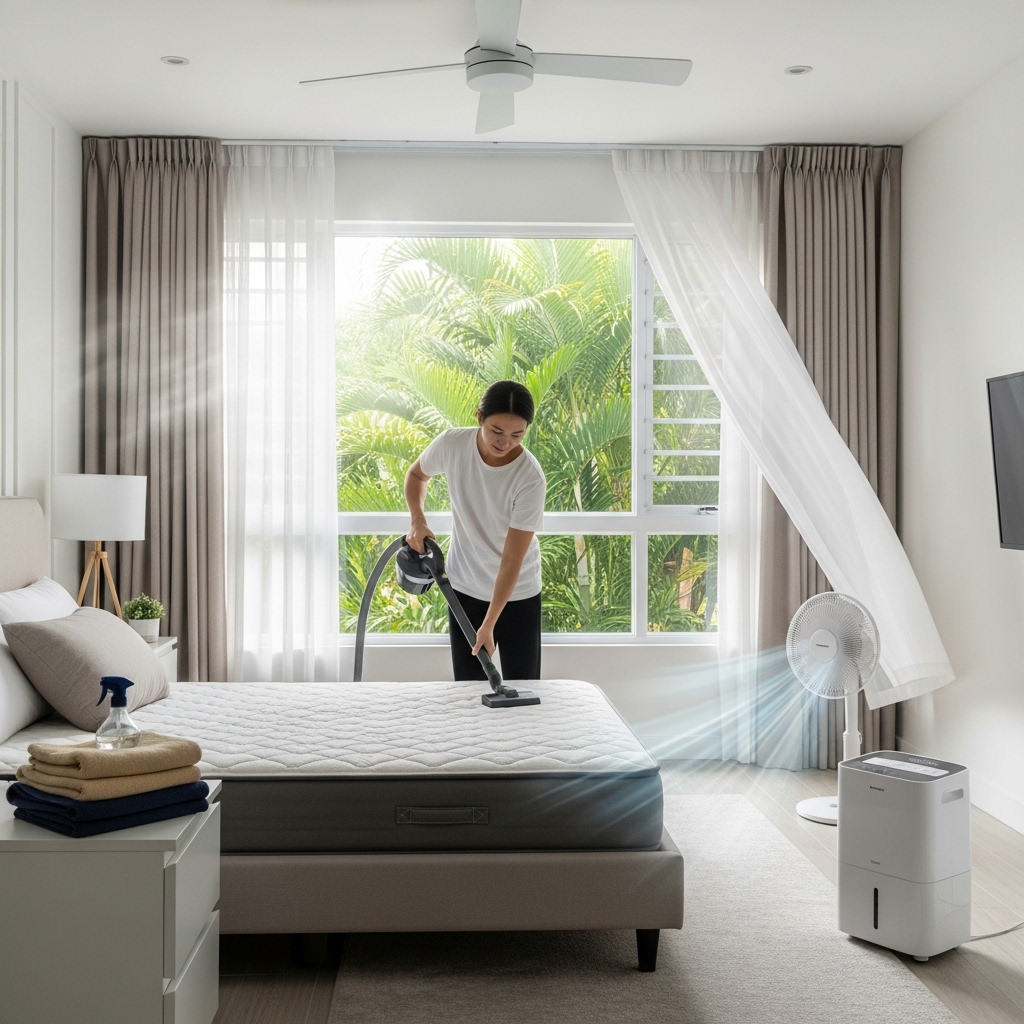
If you live in Tampa, you already know that warm, humid weather can be a blessing for beach days and a challenge for household upkeep. Mattresses, in particular, tend to trap moisture, sweat, dust, and allergens faster in a coastal climate. The good news is that with a well-planned routine and the right techniques, you can clean and refresh your mattress at home safely and effectively. This guide walks you through the complete process, tailored for Tampa homes, so you can protect your sleep environment, extend the life of your investment, and feel confident tackling stains and odors. To help you get started, we will also point out when a local professional touch can make the difference and where you can turn for reliable mattress cleaning if you need it.
Why Tampa’s Climate Demands Special Attention
Tampa’s subtropical climate means higher humidity for much of the year. When moisture lingers in fabrics and foam, it creates an environment where dust mites and odor-causing bacteria can flourish. Add in pollen seasons, afternoon thunderstorms, open windows, and daily sweat, and it’s easy to see why mattresses need consistent care here. Cleaning at home is entirely doable, but it must be done with patience, proper drying, and a gentle hand to avoid soaking the internal layers.
Another local reality is the swing between cool, air-conditioned interiors and warm outdoor air. Bringing humid air inside can increase condensation on textiles, including bedding. That is why your mattress cleaning approach should always include thorough drying and smart ventilation, especially during rainy stretches or when you’re running your AC constantly.
Gathering Your Tampa-Friendly Supplies
You do not need fancy equipment to clean a mattress safely. What you need is a set of gentle, moisture-conscious tools and solutions. Keep a powerful vacuum with a clean upholstery attachment reserved for mattresses, mild laundry detergent or enzyme cleaner for biological stains, baking soda for deodorizing, and a few clean white cloths or microfiber towels for blotting. Consider a handheld garment steamer if you want light steam for surface sanitation, but avoid saturating the mattress. A small spray bottle helps you control how much solution is applied, which is essential in humid conditions.
Beyond cleaning products, invest in protective gear for your mattress: a breathable, waterproof mattress protector helps prevent spills and sweat from penetrating the core. For Tampa residents, a protector with a breathable membrane can reduce trapped humidity and improve comfort. Washing your protector and sheets regularly is the first line of defense.
Step-by-Step Home Mattress Cleaning
Start by stripping all bedding, including sheets, pillowcases, duvets, and protectors. Wash these items according to their care labels, ideally in hot water if the fabric allows, to help reduce allergens. While the bedding washes, open windows on a drier day or turn on fans to increase airflow in the bedroom. Move the mattress slightly to allow air to circulate around it.
Next, vacuum the entire surface slowly. Use overlapping strokes and take your time along seams, tufts, and edges where debris collects. If you have a double-sided mattress, carefully flip it and vacuum the reverse, or rotate if it is one-sided. Remove as many dry contaminants as possible before introducing moisture. This step sets the foundation for everything that follows and helps prevent dirt from turning into muddy residue during spot treatment.
For stains, always begin with a dry blot to lift any fresh residue. Then apply a light mist of a mild cleaning solution—such as a mix of cool water and a small amount of mild detergent or an enzyme cleaner for sweat and pet accidents. Blot, do not rub. Rubbing can push contaminants deeper into the fibers and cause pilling. Work patiently from the outside of the stain inward. If you suspect a protein-based stain, allow the enzyme to dwell for a few minutes, then blot again with a barely damp cloth to lift and dilute the discoloration.
After spot cleaning, deodorize with baking soda. Sprinkle a thin, even layer across the top surface. In Tampa’s humidity, give the baking soda at least 45 to 90 minutes to absorb odors; longer is fine if the room is well ventilated. Then vacuum thoroughly again, making several slow passes to remove the powder completely. If lingering odors persist, repeat the baking soda step rather than over-wetting problem areas.
Moisture Control and Safe Drying in a Humid City
Drying is the make-or-break step when you live near the Gulf. If the mattress stays damp, odors can return and microbes can multiply. First, use fans to move air across the surface. If you have a ceiling fan, set it to a higher speed. Consider placing a portable fan near the mattress and pointing it toward the cleaned zones. If your AC has a dry mode or you own a dehumidifier, run it during and after cleaning to remove excess moisture from the air.
Avoid direct heat sources like hair dryers or space heaters aimed at one spot; they may warp materials or create hard rings on foam. Instead, rely on steady airflow and time. One practical Tampa tip: schedule deeper cleaning on a day with lower humidity, often in the late morning or early afternoon when air conditioning can assist drying before evening dew settles.
Handling Common Stains Found in Tampa Homes
Perspiration and body oil stains can gradually yellow the fabric cover. For these, an enzyme cleaner or a weak solution of oxygen-based cleaner can help, used sparingly and blotted with patience. For beverage spills like coffee or sports drinks, start with cool water to dilute sugars and dyes, then introduce a mild detergent solution. Pet accidents call for enzymatic action followed by thorough blotting and ample drying time.
For musty odors or light mildew on the surface fabric, increase ventilation immediately. Apply a minimal amount of cleaner and blot repeatedly. If you suspect deeper moisture intrusion, it may be time to stop and seek professional help because interior foam that has been wet for too long can be difficult to sanitize fully at home without specialized extraction and drying.
Disinfecting the Surface Without Over-Wetting
If you want a light sanitize step, a garment steamer used briefly with quick passes can help, but be conservative. Alternatively, consider a disinfectant spray that is safe for fabrics, applied as a fine mist and allowed to air dry. Always test in an inconspicuous area first. The goal is to reduce surface microbes while keeping total moisture input very low. In Tampa, this conservative approach dramatically reduces the risk of lingering dampness.
Odor Prevention Between Deep Cleans
Humidity, coastal air, and daily use will constantly challenge a mattress. To prevent odors from returning quickly, rotate the mattress every three to six months as permitted by the manufacturer. Launder bedding weekly during the hottest months and after heavy sweat days. Air the mattress briefly when changing sheets by leaving it uncovered for fifteen to thirty minutes with a fan running. Small habits add up to fresher sleep and make your deep cleans less time-consuming.
Signs You Need Reinforcements
Even diligent home care has limits. Consider a professional evaluation if you notice deep, persistent odors after drying, visible mold growth, repeating yellow halos that return after each cleaning, or if your mattress experienced a large spill or flood. Tampa storms can produce power outages and AC downtime, increasing indoor humidity rapidly; if a mattress feels clammy for more than a day or two, that is a red flag. When time is short or the job is complex, it is reasonable to bring in help, and credible providers in the area offer targeted solutions that complement your routine.
Some residents combine home maintenance with periodic pro-level service to extend mattress life and manage allergies. If you decide to explore options, look for local teams experienced with humid climates, careful drying protocols, and low-moisture methods. The right partner can reinforce your efforts and give you peace of mind with minimal disruption. In the middle of your routine, it is reassuring to know that specialized mattress cleaning is available when a stain or odor resists DIY methods.
Mattress Protector Tips for Tampa Homes
A high-quality protector blocks spills and sweat from reaching the core, which is especially valuable during hot months and after beach days. Choose a breathable protector made with a thin, waterproof membrane that allows air flow but stops liquids. Wash it regularly and replace it every few years or at the first signs of wear. If you struggle with heat at night, pair your protector with breathable sheets and consider a cooling topper that does not trap moisture.
Safe Ingredients and What to Avoid
Stay away from harsh bleach on fabric covers because it can weaken fibers and set in yellowing. Avoid soaking foam; it hangs on to moisture longer than you might expect. Skip heavily scented products that only mask odors and may irritate sensitive sleepers. Mild, targeted cleaners and thorough drying are more effective, especially when the air is damp. Test any new product on a small area first and check the mattress warranty to ensure you do not void coverage with strong chemicals.
Building a Seasonal Routine
Your best strategy is a manageable schedule rather than marathon cleaning sessions. In spring and fall, plan a deeper clean with full vacuuming, spot treatment, baking soda deodorizing, and extended drying time. During high-humidity months, focus on frequent bedding changes, prompt spot treatment, and ventilation. After major weather events or AC outages, check for dampness and air the mattress proactively. Small steps done consistently are your best defense in Tampa’s climate.
Frequently Asked Questions
How often should I clean my mattress in Tampa? In humid climates, a light refresh every month and a deeper clean every three to six months is a practical balance. Adjust based on allergies, pets, and how hot you sleep.
Can I use a carpet cleaner on my mattress? Avoid it. Carpet machines often release too much water. Mattresses are not designed for saturation, and trapped moisture can lead to odor or microbial growth.
Is baking soda safe for all mattresses? In most cases, yes, but use a light hand and vacuum thoroughly to remove residue. Always test a small area if your mattress has a specialty fabric cover.
What is the safest way to treat sweat stains? Enzyme-based cleaners used sparingly and blotted gently work well for sweat. Pair with patient drying to keep odors from returning.
How do I know if moisture is trapped inside? The mattress may feel cool or clammy to the touch hours after cleaning, or odors may linger. Increase airflow and consider a dehumidifier; if the issue persists, seek guidance.
Is steam safe in Tampa’s humidity? Light, controlled steam passes can help sanitize, but avoid prolonged steaming. Prioritize air movement and drying over added moisture.
When should I replace my mattress instead of cleaning it? If there is structural sagging, extensive staining that reaches the core, or persistent odors after professional treatment, replacement may be the healthier choice.
Ready for a Healthier Night’s Sleep in Tampa?
A clean mattress anchors a clean bedroom, and in a humid city like Tampa, smart techniques make all the difference. Use gentle solutions, limit moisture, and prioritize drying. Keep a regular schedule, act quickly on spills, and rely on ventilation to safeguard your investment. If you ever want expert support, schedule reliable help or learn more about local options for thorough mattress cleaning so you can rest on a fresher, healthier surface tonight.