
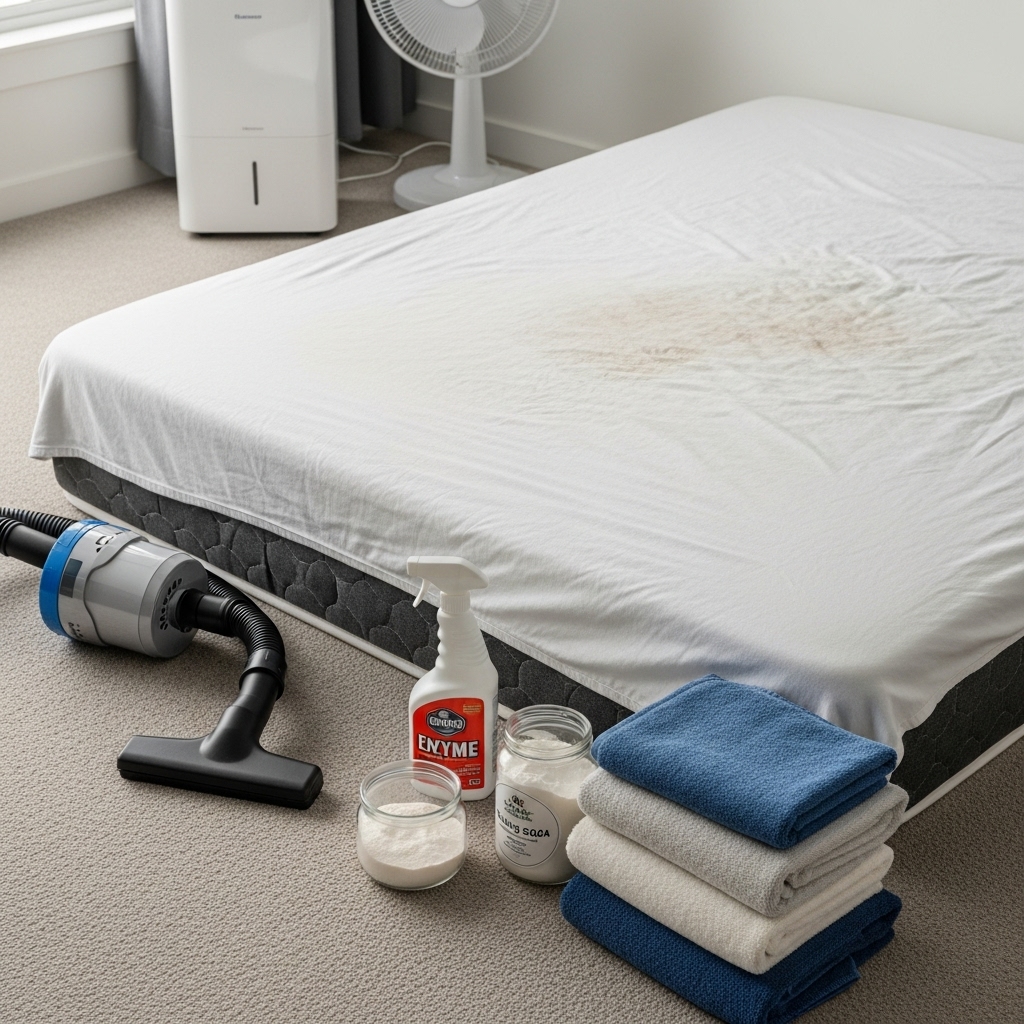
If you have never cleaned a mattress before, starting in Tampa’s humid climate can feel intimidating. The key is to keep things simple, use minimal moisture, and rely on airflow for safe drying. This beginner-friendly walkthrough explains what to do, why each step matters, and how to avoid common pitfalls. With a little patience and the right tools, you can remove odors, lift stains, and create a noticeably fresher bed without stress. And if you ever need a little help beyond DIY, we will show you where to find trustworthy mattress cleaning resources locally.
What Makes Tampa Mattresses Unique?
Humidity is the driving factor. Moist air sneaks into textiles and lingers. Mattresses are thick and layered, so moisture dries slowly and can trap odors if not managed carefully. Tampa homeowners often juggle open-window days with heavy AC usage, so indoor conditions can swing quickly. That means your cleaning approach must prioritize ventilation, gentle solutions, and patient drying. By following a clear process, you can tackle most messes confidently without over-wetting the materials.
Beginner Toolkit: Keep It Simple
You do not need specialized machinery to get results. Gather a vacuum with an upholstery attachment, clean white towels, a small spray bottle, mild detergent, an enzyme cleaner for biological stains, and baking soda for deodorizing. A fan or two and, if available, a dehumidifier are your best allies in Tampa. Optional: a garment steamer for very light surface sanitizing—used sparingly.
Step 1: Clear and Prepare the Space
Strip the bed completely and start your laundry immediately. Hot water is helpful for allergen reduction if the fabric allows it. Move nightstands a bit farther from the bed and ensure airflow around the mattress. Open a window if the day is dry or run ceiling and portable fans. This initial setup pays off later by speeding drying and preventing musty smells.
Step 2: Vacuum Thoroughly
Vacuuming is more than a quick pass. Use slow, overlapping strokes and work methodically across the top surface. Pay attention to edges and tufting, where dust and skin cells collect. Flip or rotate according to the manufacturer’s guidance and vacuum the other side if accessible. Removing dry debris first prevents it from turning into muddy residue when you spot clean.
Step 3: Identify the Stain and Test
Before applying cleaner, determine what you are dealing with: sweat, beverage spills, makeup, or pet accidents. Test any cleaner on a hidden area to check for colorfastness. Beginners sometimes rush this step, but testing builds confidence and protects delicate fabrics.
Step 4: Spot Treat with a Light Touch
Blot fresh spills with a dry towel to lift as much liquid as possible. Mix a small amount of mild detergent with cool water, dampen a towel lightly, and dab the stain. Work from the outer edge inward. For sweat or pet spots, use an enzyme cleaner, allowing a brief dwell time, then blot again. Avoid rubbing; pushing fibers around can set a stain and wear the cover prematurely.
Step 5: Deodorize the Safe Way
After treating stains, sprinkle a thin layer of baking soda across the surface. Let it sit for an hour or two while your fans run. The powder absorbs odors and residual moisture. Vacuum thoroughly afterward to remove all traces. If odor lingers, repeat instead of adding more liquid cleaner.
Step 6: Drying is Everything
This is where Tampa beginners succeed or struggle. A mattress may feel dry but still hold interior dampness. Keep air moving for several hours after cleaning. If you have a dehumidifier, run it in the room to reduce ambient moisture. Avoid heat guns or hair dryers; steady airflow is safer for fabrics and foam. Do not dress the bed until you are confident it is fully dry.
Step 7: Protect and Maintain
Once dry, cover the mattress with a breathable, waterproof protector. This barrier keeps sweat and small spills from reaching the core and makes future cleanups easier. Wash your protector regularly, rotate the mattress every few months, and vacuum during sheet changes to maintain freshness.
Beginner Mistakes to Avoid
Do not soak the mattress. Even a small cleaning job can go wrong if you introduce too much water. Skip harsh bleach, which can weaken fibers and set stains. Avoid carpet extraction machines; they are designed to flood and extract carpets, not absorbent mattress cores. Finally, be wary of heavy fragrances that mask rather than neutralize odors.
Special Tampa Considerations
After storms or AC outages, check for humid, clammy conditions in your bedroom. If the mattress feels cool and damp, air it out with fans and, if possible, a dehumidifier before issues arise. During peak summer, consider airing the mattress briefly each week when changing sheets. Small, steady habits will do more than occasional heavy cleanings.
What If a Stain Will Not Budge?
Some discolorations respond only to repeated, gentle cycles of treatment and drying. Allow time between attempts so moisture can dissipate fully. For rings left by drinks, lightly feather the edges with a barely damp cloth after spot cleaning to avoid new outlines. If you suspect the spill penetrated deeper layers, further DIY may only push moisture around. That is the moment to pause and consider professional support.
Knowing When to Call a Professional
Recurring odors after careful drying, visible mildew, or anything that soaked beyond the surface are valid reasons to get help. Pros use low-moisture techniques and controlled drying that are difficult to replicate at home. When you want peace of mind, connecting with reputable mattress cleaning experts in Tampa can restore freshness without risking damage.
Frequently Asked Questions
How often should beginners do a deep clean? Aim for every three to six months, with quick vacuuming and prompt spot treatments in between. In humid months, increase airflow time.
What is the safest cleaner to start with? A mild detergent solution is the gentlest starting point. For biological stains, use an enzyme cleaner and keep applications light.
Can I steam my mattress? Light, quick steaming is acceptable for surface sanitation if used sparingly. Prioritize drying with fans afterwards to prevent trapped moisture.
Is baking soda necessary? It is a simple, effective deodorizer that helps reduce odors without adding moisture. Vacuum thoroughly to remove residue.
What if I have allergies? Use hypoallergenic covers, wash bedding in hot water when possible, and keep indoor humidity in check. Regular vacuuming with a HEPA-filtered machine helps.
Will sunlight help? Direct sunlight can fade fabrics and heat materials unevenly. Instead, rely on airflow and dehumidification for safe, consistent drying.
Start Confident and Keep It Simple
With a gentle approach, minimal moisture, and consistent airflow, even first-time cleaners can succeed in Tampa’s climate. Build small habits you can maintain, protect the mattress with a breathable cover, and tackle spills early. If a problem proves stubborn or you simply want a professional reset, schedule local mattress cleaning and enjoy the confidence of sleeping on a mattress that is truly fresh.