
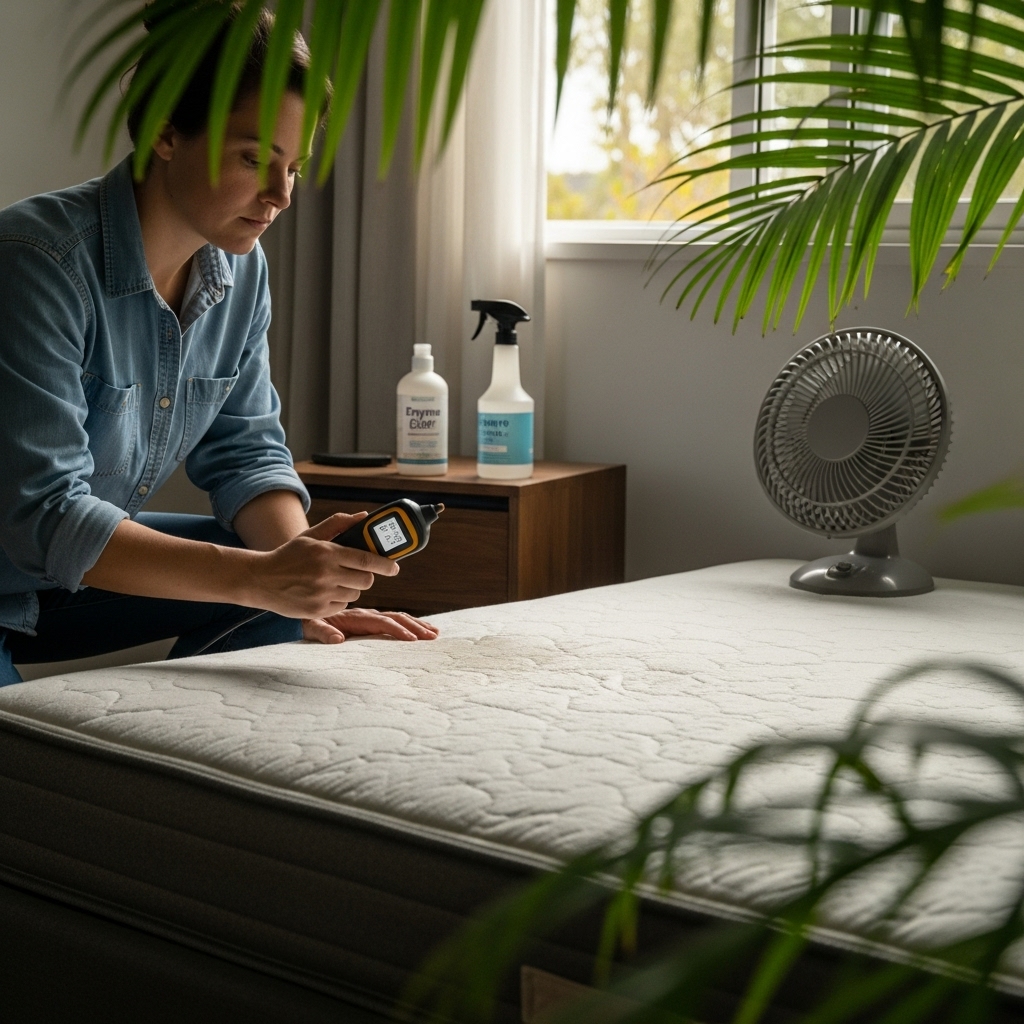
Even with good habits, mattresses in Tampa can develop stubborn odors, sweat stains, or damp patches that seem to return no matter what you try. Humidity, coastal air, and daily use work together to make maintenance a persistent chore. This troubleshooting guide explains how to diagnose common problems, apply targeted fixes, and decide when it is time to call for backup. Each step is designed for Tampa’s climate, where moisture control and thorough drying are essential to long-term success. Along the way, we will also share where to find dependable mattress cleaning help if DIY efforts hit a wall.
Problem: Lingering Odors That Return After Cleaning
Odors that keep coming back usually indicate moisture trapped below the surface or organic residues that were not fully neutralized. In Tampa, high humidity can slow evaporation, so a mattress may feel dry but still hold dampness inside. Start by increasing airflow: run ceiling and portable fans for several hours, and if available, operate a dehumidifier in the bedroom. Perform a dry deodorizing cycle with baking soda, letting it sit for one to two hours, then vacuum thoroughly. Repeat this cycle over several days rather than adding more liquid cleaners that can compound the problem.
If odor persists after multiple dry cycles, re-treat suspected areas with a small amount of enzyme cleaner applied to a cloth, not the mattress. Blot gently, allow time to work, and then resume airflow for extended drying. If you suspect a spill penetrated deeply, DIY may not reach the source. Consider professional evaluation before more moisture is introduced.
Problem: Yellowing From Sweat or Body Oils
Gradual yellowing is common in warm climates. To reduce discoloration, use an enzyme cleaner sparingly and blot with a white towel. Follow with a light mist of a mild detergent solution if needed, then blot again. Avoid scrubbing, which can roughen fibers and make the area look worse. Once the stain has lightened, focus on prevention: wash bedding more frequently during peak heat, use a breathable, waterproof protector, and rotate the mattress to distribute wear and moisture.
Problem: Beverage Rings and Water Marks
Rings form when the edges dry before the center. Correcting them requires delicate blending. After a light spot clean, feather the outer edge with a barely damp cloth to blur the line, then dry the area thoroughly with fans. Repeat in small increments rather than flooding the spot. In Tampa’s humidity, patience is more effective than heavy applications.
Problem: Pet Accidents
Urine and vomit carry strong odors that can persist if not treated quickly. Blot immediately with dry towels to remove as much liquid as possible. Apply an enzyme cleaner to a cloth and dab the area; allow time to break down the residue, then blot again. Deodorize with baking soda and vacuum after it dries. Run fans and, if possible, a dehumidifier to guarantee thorough drying. If the incident was significant or has already soaked deep, professional support is the safest next step.
Problem: Musty or Mildewy Smell After a Storm
After heavy rain or power outages, bedrooms can retain humid air long enough for mattresses to absorb it. If you notice a musty odor, strip the bed and create maximum airflow. Perform a dry deodorizing cycle with baking soda, and leave fans running for an extended period. If the mattress cover or top layer shows any signs of visible mold, stop DIY and seek expert help immediately. Address room ventilation as well—run the AC or a dehumidifier to restore balanced humidity.
Problem: Dampness That Never Seems to Go Away
Persistent dampness suggests the mattress is not getting enough air movement or that a prior cleaning introduced too much water. Remove all bedding, prop the mattress slightly to allow air underneath, and keep fans running for several hours. If you have a moisture meter, check that levels are declining over time. Avoid adding more liquid during this period. Once dry, revisit your cleaning technique to ensure you are using minimal moisture and blotting thoroughly.
Problem: Sensitivities and Allergen Flare-Ups
High humidity increases dust mite activity. If allergies worsen, increase vacuuming frequency with a clean upholstery tool and consider bedding that you can wash in hot water. Air the mattress briefly on sheet-change day while a fan runs. Hypoallergenic covers for pillows and the mattress can make a noticeable difference. Keep indoor humidity controlled—consistent dryness reduces allergen loads more reliably than heavy fragrances or sprays.
Diagnostic Tips to Find Root Causes
Pay attention to timing: do odors return only during the most humid weeks? That points to insufficient drying or inadequate room ventilation. Do stains reappear in the same spots? That indicates residues in deeper layers. Make small adjustments—more airflow, longer drying windows, or lighter cleaning solutions—and evaluate changes over a few days. The goal is to solve the problem without introducing new moisture that creates another challenge.
Refining Your Technique
Work slowly, use small amounts of cleaner, and repeat gentle cycles with full drying in between. Tampa’s climate rewards patience. Where many people go wrong is in rushing to soak the area or layering products that cannot dry properly. Instead, think in terms of micro-steps: blot, light application, blot again, then dry thoroughly. Over time, this approach protects the mattress and yields better results.
When to Bring in Professional Help
Call for assistance if you notice recurring odors after careful drying, visible surface mildew, a spill that reached deep layers, or if you simply want peace of mind after a tough incident. Professionals use low-moisture techniques and calibrated drying to reach areas home methods cannot. In the middle of troubleshooting, it can be reassuring to schedule targeted mattress cleaning and reset your baseline for freshness.
Frequently Asked Questions
Why do odors keep coming back? In humid climates, trapped moisture is the usual culprit. Increase airflow, extend drying time, and avoid over-wetting during cleaning.
Can I use bleach to remove stains? Bleach can damage fibers and fix yellowing. Gentle enzyme or oxygen-based solutions, used sparingly, are safer choices for fabric covers.
How often should I deodorize? A baking soda cycle once a month helps in Tampa. Vacuum thoroughly afterward to avoid residue.
Is a carpet extractor safe for mattresses? No. These machines introduce too much water for dense foam and fabric layers, which can trap moisture and cause odors.
What if my mattress feels cool and damp? Air it immediately with fans and, if possible, a dehumidifier. Do not redress the bed until it is fully dry to the touch and no longer cool.
Will airing near a sunny window help? Use indirect light and prioritize airflow. Direct sun can fade fabrics and heat materials unevenly.
Restore Comfort and Confidence
With targeted steps and patient drying, most mattress issues in Tampa can be resolved without stress. Diagnose the cause, apply minimal moisture, and give airflow time to work. If you want a quick, professional reset after a challenging problem, book local mattress cleaning and enjoy a fresher, healthier place to rest.