
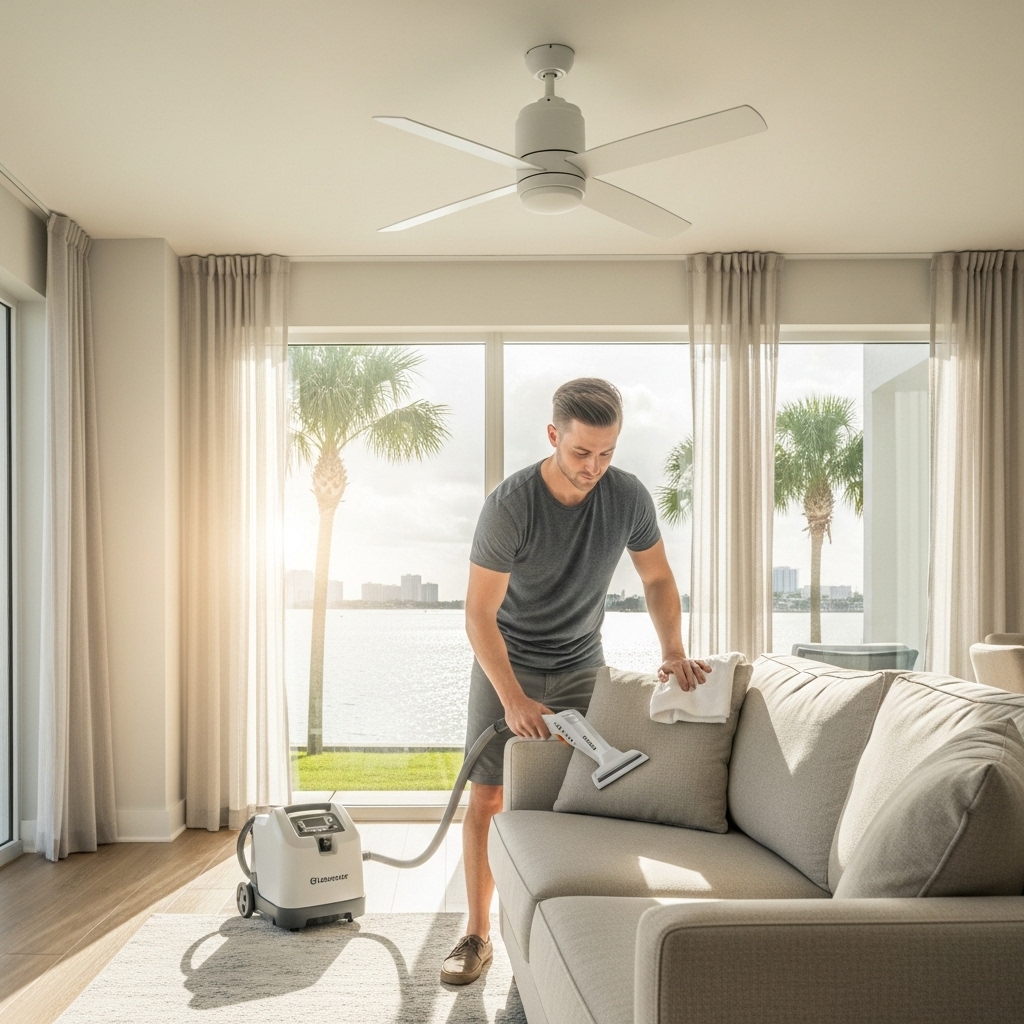
Introduction: A Tampa-Focused Guide to Fresh, Clean Upholstery
Sun, salt air, sudden showers, and everyday family life make caring for sofas, sectionals, armchairs, and dining seats in Tampa, Florida uniquely challenging. This complete guide explains how to keep fabrics looking bright, feeling soft, and smelling fresh despite humidity, sand, pollen, pets, and spills. Whether you live in a historic bungalow in Seminole Heights or a waterfront condo on Harbour Island, you will learn what to do weekly, monthly, and seasonally, along with proven solutions for stains and odors common to coastal living. If you prefer a helping hand, local upholstery cleaning can complement a good home routine and extend the life of your furniture.
Before you begin, always check manufacturer tags, perform a small, hidden spot test, and plan ahead for drying time. In Florida’s warm climate, fabrics may feel dry at the surface while retaining moisture deeper in the cushion. Proper ventilation and gentle air movement are just as important as the cleaning method itself. This guide balances thoroughness and fabric safety, with options tailored to both synthetic and natural fibers that are common in Tampa homes.
Know Your Fabric Codes and Fibers
Most upholstered pieces include a cleaning code on the tag: W (water-based cleaners are safe), S (solvent-based cleaners only), W/S (either water- or solvent-based cleaners, with caution), and X (vacuum-only; professional care recommended). In Tampa, you will often find performance fabrics designed to resist moisture and stains. Polyester, olefin, and acrylic blends are common on outdoor-adjacent pieces. Natural materials like cotton, linen, and wool look beautiful but need extra care in high humidity to prevent swelling, distortion, or color transfer.
Leather and faux leather are popular choices, too. Both benefit from dust removal, gentle cleaners, and periodic conditioning. While leather resists liquid intrusion better than woven fibers, it can still suffer from salt and sunscreen residue after beach days. Understanding your material helps you choose safe products, correct temperatures, and a drying strategy that prevents moisture from lingering inside cushions.
How Tampa’s Climate Affects Upholstery
Frequent thunderstorms and high humidity can slow evaporation and encourage musty odors. Sea breeze and outdoor living invite sand onto sofas. Pollen peaks stir up allergens that settle into armrests and cushion seams. Air conditioning reduces moisture but also circulates dust, so regular vacuuming matters. Layered slipcovers, throws, and removable cushion covers are practical in Tampa because they can be washed and dried thoroughly between deep cleanings, reducing mildew risk.
Plan to clean more often during summer and after events that introduce sand, sweat, sunscreen, or food. The key is staying ahead of buildup. Small, frequent upkeep sessions prevent large, difficult cleanups later, which is invaluable when mugginess can turn minor spills into stubborn stains.
Essential Tools and Supplies
You do not need a closet full of specialty products to maintain upholstery. A vacuum with a soft brush attachment, a lint or pet hair roller, white microfiber towels, a soft-bristle detailing brush, and a spray bottle will cover most needs. Keep distilled water on hand for spot treatments to minimize mineral residue. For water-safe fabrics (W or W/S), a mild, dye-free dish soap, a neutral pH upholstery cleaner, and an enzyme-based deodorizer are helpful. For solvent-only materials (S), use a designated dry solvent cleaner and follow ventilation guidelines.
Optional tools include a portable upholstery machine for periodic deep cleaning of large sectionals and a small, low-heat fan to improve airflow during drying. In Tampa, a dehumidifier can be a secret weapon, pulling moisture from the air and speeding drying without blasting high heat directly on fabric.
Routine Maintenance Schedule
Weekly: Vacuum high-use seats, arms, and backs with a gentle brush attachment. Pay special attention to seams and crevices where sand, grit, and pet hair collect. Flip or rotate loose cushions to distribute wear and to avoid moisture pockets forming on the same side each time.
Monthly: Lift cushions, vacuum the deck beneath, and inspect for hidden spills or crumbs. Use a slightly damp microfiber cloth to wipe arms and backs on water-safe fabrics, then follow with a dry towel. For leather, dust first and condition lightly as recommended by the manufacturer.
Seasonally: Do a thorough inspection after peak summer. Treat any faint odors, refresh cushion cores in the sun for an hour or two on a dry, breezy day, and deep clean water-safe pieces. This is also the time to launder removable covers, check stitching, and evaluate whether certain items need more frequent service due to lifestyle, pets, or proximity to patios and pools.
Dry Soil Removal: The First, Crucial Step
Always remove dry soil before introducing any moisture. Vacuuming lifts abrasive particles that would otherwise smear or scratch fibers during wet cleaning. Use short, overlapping strokes, and work in multiple directions to free grit that has settled into the weave. For pet hair, a slightly dampened microfiber towel wrapped around your hand can gather clingy strands, followed by a thorough vacuum pass to finish.
Spot Testing and Colorfast Checks
Whether using a store-bought cleaner or a mild soap solution, test in a hidden area. Apply the product to a white cloth rather than directly onto the fabric, blot gently, and look for color transfer. If the color lifts or the fabric darkens excessively, stop and switch methods. In Tampa’s humidity, it is better to proceed slowly and dry each treated area promptly than to saturate the entire cushion and risk musty odors later.
DIY Cleaning for Water-Safe Fabrics (W or W/S)
For general cleaning, mix a few drops of dye-free dish soap in a bowl of warm distilled water. Dip a white microfiber towel, wring it well until just damp, and work in small sections. Blot and gently wipe rather than scrub vigorously. Follow with a second towel lightly dampened with plain distilled water to “rinse,” then blot dry with a third towel. Keep air moving with a fan and open interior doors to circulate AC-cooled air for faster drying.
For deeper refreshes, especially on family room sofas, consider a portable upholstery machine. Use a neutral pH solution designed for upholstery and apply light, even passes. Extract thoroughly and avoid over-wetting. If cushions are reversible and removable, clean both sides on the same day so the color and texture age consistently.
Solvent-Only Fabrics (S): Proceed with Care
When the tag says S, reach for a dry solvent cleaner. Work in a ventilated area, apply to a clean white cloth, and dab gently, avoiding saturation. Solvents evaporate quickly, which helps in humid climates, but overuse can still create rings or dullness. After cleaning, brush the nap with a soft brush to restore texture. If you feel uncertain, limit yourself to minor spot work and plan a professional visit for more extensive cleaning.
Odor Control in a Humid Climate
Odors arise when microbes thrive in moisture and organic residue. Enzyme-based deodorizers can break down odor-causing molecules from food, sweat, and pet accidents. Apply as directed to water-safe fabrics, allow appropriate dwell time, then blot and dry thoroughly. Sunlight can help with cushion cores made of foam or polyester batting; a brief period outdoors on a dry, breezy day can refresh them. Avoid prolonged, direct, high-intensity sun that could fade dyes.
Tampa-Specific Stains and How to Handle Them
Sunscreen and body oils can leave darkened patches on arms and headrests. Treat these by pre-blotting with a mild soap solution and following with a rinse pass. For saltwater or sweat, plain distilled water followed by blotting prevents white tide marks. Beach-day beverages like iced tea or cola respond to prompt blotting and a mild detergent solution; always avoid rubbing vigorously, which can fray threads.
Red wine and coffee demand quick action: blot, do not scrub; apply a mild soap solution to a cloth and dab repeatedly; then “rinse” with a lightly dampened towel. For greasy stains from snacks, use a tiny amount of clear dish soap in warm water, blot gently, then follow with a rinse pass. If residue persists, place a few clean, dry towels under the area and weight them to draw oils out as the spot dries.
Managing Mold and Mildew Risk
Mildew thrives when spills are left to linger or when cushions stay damp after cleaning. Address moisture immediately. Run a fan, crack interior doors, and, if available, run a dehumidifier for a few hours. At first sign of musty odor, vacuum thoroughly, wipe with a barely damp cloth on water-safe fabric, then dry with airflow. For persistent odor or visible spotting, it is safer to seek professional help to avoid spreading spores or damaging dyes.
Pet Hair, Dander, and Allergy Tips
Regular vacuuming is your best defense against dander and pollen in Tampa’s long growing seasons. Consider a dedicated cover or throw on favorite pet napping spots and wash it weekly. For allergy relief, focus on seams and creases where allergens collect. An enzyme deodorizer can help after accidents, but prompt blotting with distilled water and mild soap, followed by thorough drying, is the difference between a small issue and a long-term odor problem.
Preventive Care for Busy Tampa Households
Preventive habits are powerful. Rotate cushions, use armrest covers where body oils transfer most, and blot spills instantly. Encourage family members to rinse off beach sand outdoors before lounging. Keep small trays for sunscreen and snacks near sofas to minimize accidental drips. Consider fabric protectors approved for your textile type to add a barrier against stains, and reapply as recommended after deep cleanings.
When DIY Is Not Enough
Some situations call for specialized equipment and training: solvent-only fabrics with large spills, delicate natural fibers, antique seating, or cushions with deep-set odors. Professionals can control moisture, temperature, and chemistry to produce thorough results while protecting colors and textures. If your calendar is full or your sectional is simply too large to tackle, scheduling a mid-year or pre-holiday service can reset everything at once. For convenience and peace of mind, consider booking trusted professional upholstery cleaning to complement your regular care routine.
Troubleshooting Common Issues
Water rings usually come from partially dried, unevenly treated areas. To fix, lightly re-dampen the entire panel with distilled water on a towel, blend the edges, and dry with gentle airflow. Fuzzing or pilling can be managed with a fabric shaver used carefully after the piece is completely dry. Color lightening may signal overuse of a cleaner; pause, allow a full dry, and do a fresh spot test with a milder approach before continuing.
If fabric feels stiff after cleaning, you may have left detergent residue. Wipe with a clean towel dampened with distilled water to rinse, then dry thoroughly. Persistent odors after seemingly successful cleaning suggest moisture remains deep inside; remove cushions if possible, stand them on edge, and increase airflow until they feel neutral and dry throughout.
Seasonal Checklist for Tampa Homes
Before summer: Treat arms and headrests for sunscreen buildup, launder removable covers, and inspect outdoor-adjacent pieces. During summer: Vacuum twice as often, dry cleanings thoroughly, and address sand promptly. After summer: Deep clean high-traffic seating, refresh cushion cores outdoors on a low-humidity day, and reapply fabric protector as appropriate. Before holidays: Spot treat dining chairs and guest room seating, then complete a light overall clean a week before visitors arrive so everything dries completely.
Care for Leather and Faux Leather
Dust weekly with a dry microfiber cloth. For spills, immediately blot with a slightly damp cloth, then dry with another towel. Condition leather per manufacturer guidance, typically a few times a year, to maintain suppleness in air-conditioned environments. Avoid harsh chemicals and excessive water. For persistent marks or dye transfer, professional attention is recommended to prevent over-thinning the finish.
Protecting Upholstery from Kids and Guests
Set up practical zones for snacks and crafts, and use washable throws during parties. Choose darker or performance fabrics for pieces used most often by children. Teach quick spill response: blot, never rub; notify an adult; and keep a small cleaning caddy nearby with towels and a gentle cleaner. Consistency prevents panic and helps everyone protect the investment you have made in your home’s comfort.
Eco-Conscious Cleaning Habits
Use minimal product and ample blotting. Choose neutral pH, fragrance-free cleaners when possible and ventilate rooms naturally. For Tampa’s climate, eco-friendliness often overlaps with best practices: less residue in fibers means fewer odor problems in humidity and faster drying with simple airflow. Reusable microfiber towels reduce waste and improve results over paper products that can shed lint.
Frequently Asked Questions
Q: How often should I deep clean a family room sofa in Tampa? A: For most households, a light monthly clean and a deeper refresh two to three times per year work well. Add a quick post-beach cleaning session during peak summer to stay ahead of sand and sunscreen.
Q: Is steam safe for all upholstery? A: No. High heat and moisture can distort some fibers and cause dye migration. Always check the tag and perform a spot test. For delicate or solvent-only fabrics, avoid steam and consider professional care.
Q: How can I dry cushions faster in Florida humidity? A: Combine AC, a small fan for air movement, and time. Stand cushions on edge to allow airflow on all sides. If you own a dehumidifier, run it in the room during drying.
Q: What should I do about lingering pet odors? A: Use an enzyme-based deodorizer on water-safe fabrics, give it proper dwell time, then blot and dry thoroughly. If odors persist, the cushion core may need deeper treatment or professional extraction.
Q: Are fabric protectors worth it? A: When applied correctly to compatible materials, they add valuable resistance against spills and make day-to-day maintenance easier, especially in busy Tampa homes.
Q: Can I clean antique or heirloom chairs myself? A: Limit yourself to gentle vacuuming and light dusting. For stains or overall cleaning, professionals are safer because they can control moisture and chemistry precisely.
Bring Freshness Back to Your Living Room
Clean, healthy upholstery transforms daily comfort, reduces allergens, and protects your home’s style for years to come. If you would like expert help with delicate fabrics, large sectionals, or a seasonal refresh before guests arrive, schedule reliable upholstery cleaning with a trusted local team. Enjoy softer seats, brighter colors, and a home that feels as welcoming as Tampa’s sunshine—without the stress of doing it all yourself.