
Introduction: Finding the Right Upholstery Expert in Tampa
Choosing a qualified upholstery cleaner near Tampa, Florida can feel overwhelming when every website promises the best results. Yet the right partner is easy to spot when you know what to ask and what to look for. This guide explains credentials, methods, guarantees, scheduling, and aftercare so you can hire with confidence—whether you live in South Tampa, Carrollwood, or across the bay. If you prefer to skip the research and go straight to a trusted option, reliable upholstery cleaning can be scheduled to match your calendar and fabric needs.
Our local climate adds another layer to the decision. Humidity, salt air, sudden downpours, and high pollen counts require technicians who manage moisture carefully, choose fabric-safe chemistry, and build in ample drying strategy. The following sections equip you with practical criteria and questions.
Know the Methods: Low-Moisture, Extraction, and Solvent Options
There is no single best method for every fabric. A skilled provider chooses among low-moisture cleaning for quick dry times, hot-water extraction for deeper soil on water-safe textiles, and dry-solvent options for S-coded fabrics. In Tampa, method selection must balance thoroughness and humidity. Ask providers to explain why a method suits your sofa’s fiber and construction and how they will prevent overwetting or tide marks.
Portable upholstery machines can deliver great results on performance fabrics and synthetics, while hand-applied solvent cleaning preserves delicate or solvent-only textiles. The key is measured application, controlled dwell time, and rigorous extraction or evaporation, followed by air movement that continues after the technician leaves.
Credentials and Training
Training indicates that technicians understand fabric identification, dye stability, pH ranges, and safe drying practices. Look for ongoing education, fabric code knowledge, and clear pre-inspection procedures. Reputable pros document what they find, explain limitations before beginning, and offer realistic outcomes—especially for older stains or past DIY attempts that altered fibers.
Pre-Inspection and Testing
A quality experience begins with questions about fabric type, age, prior cleanings, and specific stains. Expect colorfast tests in hidden areas, careful vacuuming before any wet work, and protective measures for nearby wood or metal. Providers who skip pre-inspection are more likely to miss risks that Tampa’s humidity amplifies, such as slow drying in dense cushions or hidden moisture in the deck beneath loose seats.
Drying Strategy in Florida’s Humidity
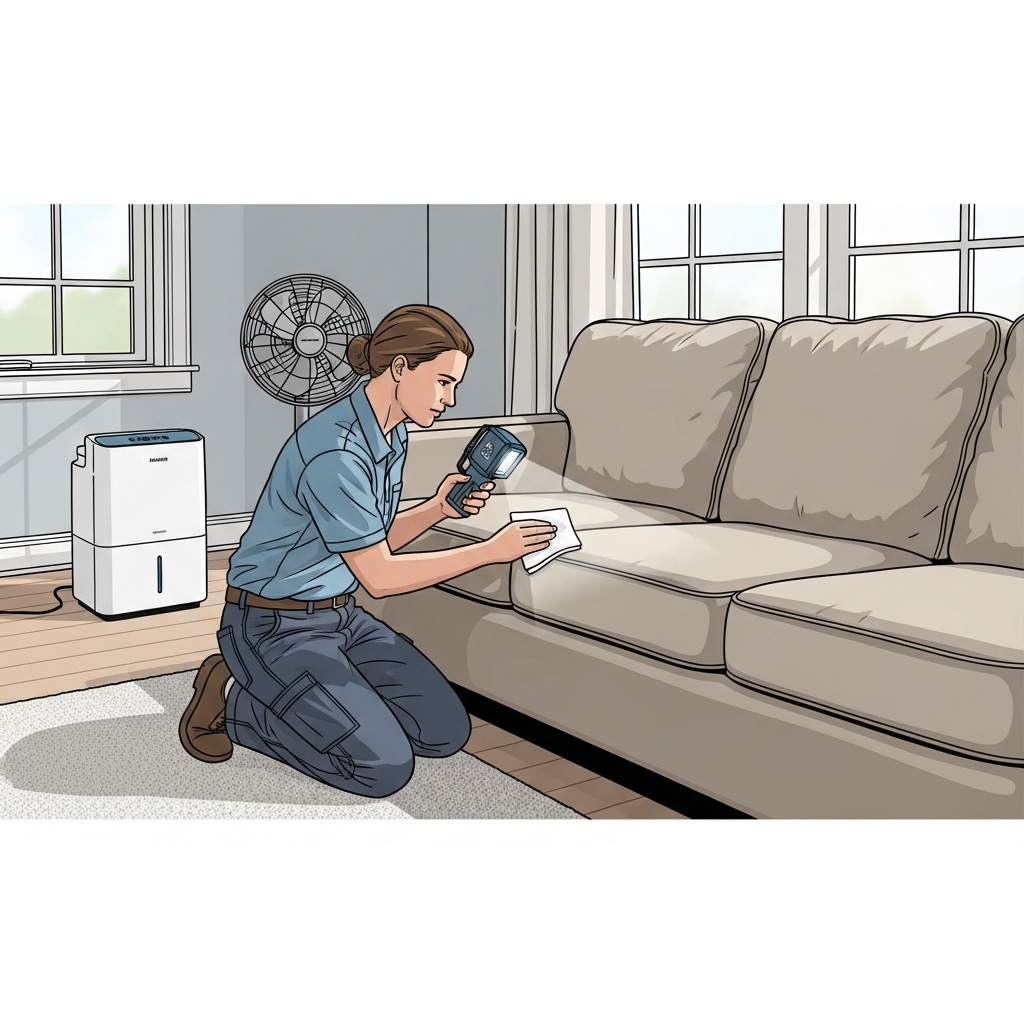
Strong results require excellent drying management. Ask how the technician will accelerate drying: AC settings, fans placed for cross-breeze, and, if appropriate, dehumidifiers. Professionals should advise you not to sit on the furniture until fully dry and to leave interior doors open for circulation. In Tampa’s climate, these details separate average results from great ones.
Protectants, Deodorizers, and Allergy Considerations
Discuss whether a fabric protector is right for your textile and lifestyle. In busy or pet-friendly households, protectants can make routine upkeep easier. Ask about enzyme-based deodorizers for organic odors and fragrance-free options if anyone at home has sensitivities. Pros should be able to explain the chemistry in plain language and provide aftercare instructions.
Transparent Communication and Expectations
Trustworthy companies explain what is achievable and what is not. They identify permanent stains or sun fading that cleaning cannot reverse and share photos of progress when appropriate. They also outline how long you should expect drying to take and what you can do to help, such as running AC and fans for a few hours after the appointment.
Scheduling and Access
Good scheduling respects your time. Ask about arrival windows, estimated duration, and whether you should move small items or break down sectionals beforehand. Clarify parking needs for equipment, elevator access in condos, and pet arrangements during the visit. Clear logistics help the technician focus on the work and finish efficiently without cutting corners.
Questions to Ask Before You Book
What cleaning method do you recommend for my fabric and why? How will you prevent over-wetting and manage drying in Tampa’s humidity? What steps do you take to protect surrounding floors and trim? What are the likely outcomes for my specific stains? How should I prepare the room, and what should I do after you finish? The best providers welcome these questions and answer them clearly.
Red Flags to Avoid
Be cautious of companies that cannot identify your fabric code or that recommend the same method for every situation. Avoid anyone suggesting heavy saturation without a clear plan for drying. Be wary if a provider dismisses spot testing, declines to discuss limitations, or avoids explaining the chemistry being used. Lack of transparency often leads to lackluster results—or worse, damage.
Insurance, Guarantees, and Care Policies
Confirm that the company carries appropriate insurance and that technicians follow documented procedures. Ask about satisfaction policies and what happens if a stain returns after drying. A solid guarantee reflects confidence and a commitment to long-term client relationships, especially important in humid regions where wicking can occasionally bring stains back to the surface.
Preparing Your Home for the Appointment
Before the crew arrives, vacuum lightly to remove surface debris, clear small tables or ottomans, and place pets in a comfortable room away from hoses or cords. Identify outlets near the work area. If possible, set your thermostat to a comfortable, drier setting and plan to keep fans running after the visit. These steps improve efficiency and outcomes.
Aftercare: Keeping Results Longer
Once upholstery is clean and dry, resume weekly vacuuming and periodic wipe-downs on water-safe fabrics. Use washable covers on high-use areas and launder them regularly. Address spills quickly with blotting and mild solutions, and consider a mid-year refresh during summer. Following the technician’s aftercare tips keeps your furniture looking newly cleaned for months.
When to Choose Professional Help Immediately
Solvent-only fabrics with large spills, delicate natural fibers, vintage pieces, and recurring odors warrant immediate professional attention. Extensive sand intrusion after a beach party or water exposure from a window left open during a storm can also benefit from a professional’s tools and drying systems. Calling early prevents minor issues from becoming permanent problems.
How Local Experience Helps
Tampa-savvy technicians understand that humidity complicates everything from product choice to drying. They plan for airflow, anticipate wicking, and protect surfaces from tide marks. They also recognize common local stains—sunscreen, salt residue, iced coffee—and tailor techniques accordingly. This regional knowledge improves results and reduces risk.
Frequently Asked Questions
Q: How long should my furniture take to dry? A: With AC and fans, most items feel dry within several hours, though dense cushions may need additional time. Your technician should provide a realistic window based on fabric and method.
Q: Can every stain be removed? A: No. Some dyes, old spills, and heat-set marks can be permanent. A candid pro will set expectations and focus on overall improvement while preserving fiber integrity.
Q: How often should I hire a cleaner? A: Most Tampa households benefit from a professional refresh two to three times per year, with lighter DIY upkeep in between. Homes with pets or beach-loving families may schedule more frequently.
Q: Is solvent cleaning safe indoors? A: When handled by trained technicians with proper ventilation and minimal application, solvent cleaning is safe for appropriate fabrics. Spot testing and careful technique are essential.
Q: What should I do if odors return after drying? A: Contact the provider. Odor recurrence can indicate wicking from deep in the cushion or insufficient ventilation, and a follow-up plan may be needed.
Choose with Confidence and Enjoy Cleaner Upholstery
Hiring the right upholstery cleaner is about skill, communication, and climate-aware processes. If you want an efficient, reliable experience with results you can see and feel, book trusted upholstery cleaning through a local provider who understands Tampa homes. Welcome guests, relax with your family, and appreciate furniture that looks refreshed and smells clean—without the stress of guesswork.