
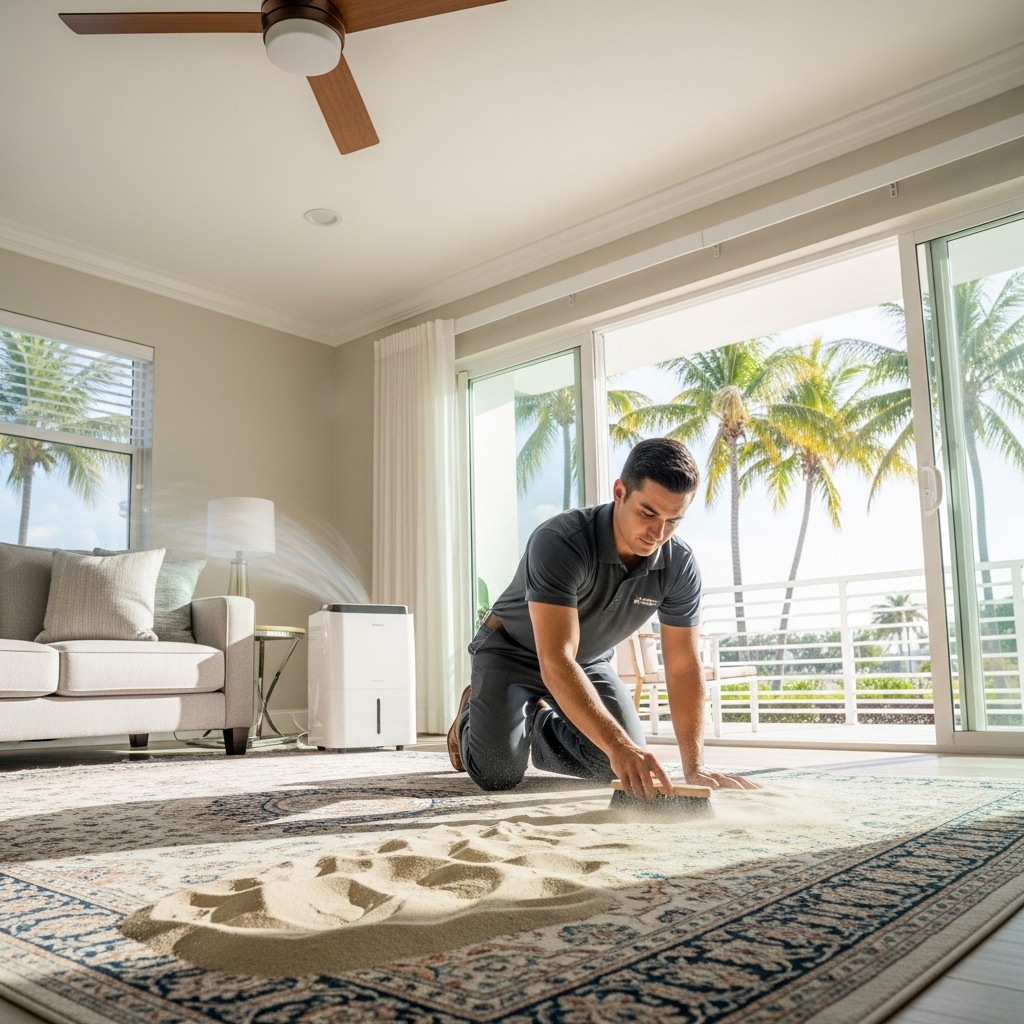
Area rug cleaning in Tampa, Florida is more than a quick vacuum and a spritz of deodorizer. Between Gulf Coast humidity, sandy soils tracked in from beaches, and frequent storms, rugs in our region face unique challenges that demand a thoughtful plan. Whether you own a wool heirloom, a modern synthetic area rug, or a flatweave runner, this guide explains realistic timelines, what influences the work involved, and smart care tips tailored to Tampa homes. If you are comparing options or planning a refresh, the insights below will help you set expectations, avoid common mistakes, and protect the beauty and longevity of your rug. To begin your journey with a trusted local resource, explore this keyword for additional context on professional processes and service considerations.
What Makes Area Rug Cleaning in Tampa Different
Coastal cities like Tampa present a specific blend of soils and moisture conditions. Fine sand grains and salt particles can work their way down to a rug’s foundation. Combined with high humidity, these soils can encourage musty odors and contribute to fiber abrasion if not removed thoroughly. Pet-loving households and busy lifestyles add their own wear patterns and occasional spills. The result is a cleaning equation where method, timing, and drying control matter as much as the washing chemistry itself.
Unlike wall-to-wall carpet, area rugs are constructed with diverse fibers and dyes, including wool, silk, cotton, rayon/viscose, polypropylene, and nylon. Each fiber responds differently to water, detergents, agitation, and heat. Hand-knotted rugs may include natural dye variations that require extra testing before a full wash. Machine-made rugs often feature latex glues that can weaken if soaked improperly. Understanding these variables is essential for safe results.
Rug Types and How They Influence the Process
Wool: Naturally resilient, wool holds and releases soils differently than synthetics. It benefits from thorough dusting and controlled pH washing. Proper drying prevents lingering odor and warping.
Silk or Viscose: These fibers demand gentle handling, minimal agitation, and careful water control. Spot work is measured and slow, prioritizing fiber sheen and dye stability.
Cotton: Absorbent and prone to browning if dried slowly. Neutral rinses and quick, well-managed drying help keep colors crisp and edges flat.
Synthetics: Polypropylene and nylon tolerate more agitation and are often the most forgiving in busy households. However, oily soils can bond to synthetic fibers and require targeted preconditioning.
Timeline Overview: From Inspection to Drying
Inspection and Dye Stability Testing: Before any full wash, a thorough inspection identifies construction type, existing issues (pet accidents, spills, color shift), and fringe condition. Dye stability tests guide the washing approach, including the choice of detergents and temperature.
Dusting and Dry Soil Removal: Dry soils account for the majority of particulate in a rug. Mechanical dusting (or specialized air and vibration methods) dislodges grit that vacuums often miss. This step reduces abrasion and sets the stage for an effective wash.
Targeted Pre-Treatment: Spots and traffic lanes receive tailored products and dwell time. Pet-related areas may need enzymatic decontamination or oxidizing steps depending on fiber type and dye safety.
Full Wash and Rinse: Submersion or low-moisture hand-washing is selected based on rug construction and dye testing. Thorough rinsing is critical to remove residues that can attract new soil or leave fibers dull.
Water Extraction and Drying: Controlled drying prevents color movement and warping. Airflow, dehumidification, and temperature are balanced to protect hand-tied foundations and keep cotton elements from browning.
Finishing and Grooming: Once dry, pile grooming lifts nap, fringe is aligned, and a final inspection confirms even appearance. Optional protectants can help resist future stains and make routine care easier.
Factors That Affect the Work Involved
Fiber and Construction: Hand-knotted and natural-fiber rugs often require more careful steps than machine-made synthetics. Backings, adhesives, and fringe condition also matter.
Soil Load and Spills: Sand, pet accidents, cooking oils, and drink spills add complexity. The more embedded the contamination, the more time and technique are needed to flush it safely.
Previous Cleanings or DIY Attempts: Residues from high-foaming detergents or powder products can complicate thorough rinsing. Color-unstable pieces may have been altered by past spot treatments, necessitating extra testing.
Local Climate: Tampa’s humidity extends drying time if not managed with proper airflow and dehumidification. Seasonal storms can also influence scheduling and environmental control during the drying stage.
Area Rug Cleaning Steps in Detail
1. Intake and Tagging: Each rug is measured, photographed, and tagged to track condition and specific concerns, such as pet odor or color bleed risk.
2. Dry Soil Removal: Professional dusting equipment vibrates and lifts embedded grit without damaging the foundation. This stage can release an astonishing volume of fine particles.
3. Pre-Treatment: Technicians apply fiber-specific solutions, gently agitating where appropriate and allowing proper dwell time.
4. Full Wash: Depending on the test results, the rug may be immersed or gently hand-washed on a wash floor. The goal is to emulsify soils while maintaining dye integrity.
5. Rinse and Extraction: Clear-water rinsing continues until rinse water is free of suds and soils. Controlled extraction removes excess moisture but avoids stressing fibers or backing layers.
6. Drying: Elevated airflow and dehumidification bring moisture content down briskly. Rugs may dry on racks or in a climate-managed space to preserve shape and feel.
7. Finishing: Grooming aligns the pile, trims stray fibers, and sets fringe. A final inspection ensures the rug meets visual and hygiene goals.
Care Tips for Tampa Homes
Adopt a Vacuum Routine: Vacuum the face and back periodically to remove grit. Use a tool with adjustable suction and avoid aggressive beater bars on delicate pieces.
Rotate Rugs: Sunlight through Florida windows can cause fade patterns. Rotating rugs every few months evens wear and exposure.
Mind the Humidity: Use ceiling fans or a dehumidifier during the wet season. After spills, promote airflow immediately to prevent odor and browning.
Use Quality Rug Pads: A breathable pad improves comfort, reduces slippage, and protects floors from dye transfer. In humid climates, pads that don’t trap moisture are especially helpful.
Spot Spills Quickly: Blot with plain white towels, working from the outside in. Avoid scrubbing. Test any cleaner on an inconspicuous area first.
Pet Odor and Tampa Weather
Pet accidents are common and can create persistent odors, especially when humidity rises. Urine salts draw moisture from the air, reactivating odors days or weeks later. Professional decontamination flushes the foundation to remove those salts rather than masking them with fragrance. This is particularly important after summer storms, when indoor humidity peaks.
If your rug was exposed to rainwater from an open door or window, act quickly. Blot, elevate from the floor if possible, and increase airflow. If colors begin to migrate or edges curl, stop home efforts and seek help before permanent changes set in. For more insight into professional methods used locally, review this mid-guide reference to a trusted resource: keyword.
Common Mistakes to Avoid
Using Colored Towels: Dyes can transfer under moisture and pressure. Stick to white cotton towels for blotting.
Applying Household Cleaners Without Testing: Some products raise pH or add optical brighteners that can dull wool or shift color.
Overwetting: Saturation without proper extraction and drying can cause browning, waviness, and odor.
Skipping Dusting: Soils left in the foundation will continue to abrade fibers, even after a topical clean.
Hanging Heavy Rugs on a Clothesline: Concentrated weight can distort the foundation. Flat drying with airflow is safer.
Routine Maintenance Schedule
Weekly to Biweekly: Vacuum traffic areas and entry rugs more often. Address fresh spills immediately.
Seasonally: Rotate rugs, check pads for wear or trapped debris, and open windows for short periods on dry days to exchange indoor air.
Annually or As Needed: Plan a professional in-plant wash when routine vacuuming no longer restores the rug’s look or when odors persist after your best home care efforts.
FAQ
Q: How often should a Tampa household have an area rug washed by a professional? A: Frequency depends on foot traffic, pets, and indoor air quality. Many homes benefit from a thorough wash every 12 to 24 months, with spot care as needed.
Q: Can steam cleaning be used on all area rugs? A: Not safely. Many hand-knotted or natural-fiber rugs prefer controlled wash methods with tailored chemistry rather than high heat or excessive pressure.
Q: What if colors bleed during a home spot clean? A: Stop, blot gently, and let the area dry with airflow. Further agitation can set the migration. Seek professional help that includes dye-stability testing and controlled rinsing.
Q: How can I reduce musty odors in humid months? A: Improve airflow, use a dehumidifier, and ensure rugs aren’t resting on damp surfaces. If odor persists, a full wash and foundation flush may be necessary.
Q: Are fringe edges safe to scrub? A: No. Aggressive scrubbing can fuzz fibers and cause uneven brightness. Gentle cleaning and careful rinsing are better.
Ready to Refresh Your Area Rugs in Tampa?
If your rug looks dull, feels gritty, or carries a persistent odor, the right in-plant wash can restore beauty and comfort while protecting the fibers. Reach out to a reputable local specialist and ask about inspection, dusting, dye testing, and controlled drying. To connect with a trusted Tampa team and learn more about proven methods, start here: keyword. With a clear plan and seasoned expertise, you can keep your rug vibrant through every season in Tampa, Florida.