
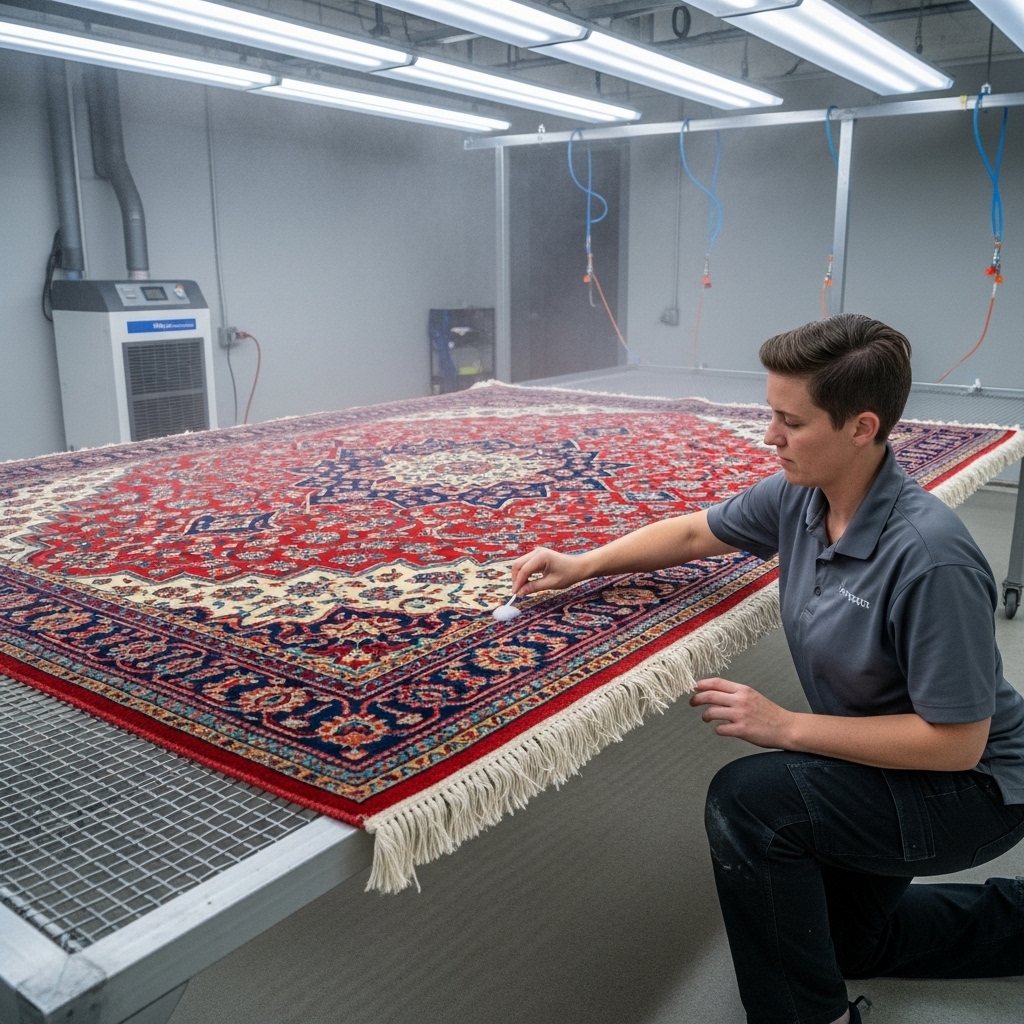
Oriental rugs are works of art woven for generations of use, and Tampa, Florida households often rely on them to anchor living spaces with color, character, and softness underfoot. Yet our coastal climate, sandy soils, and abundant sunshine can challenge even the finest hand-knotted pieces. This professional care guide explains how to protect dyes, preserve wool luster, and keep foundations stable. Whether your rug is Persian, Turkish, Caucasian, or a contemporary hand-knot, you will find practical steps to safeguard it from humidity, pets, and daily life. For a deeper look at local in-plant methods and what a thorough wash entails, you can begin with this resource: keyword.
Why Oriental Rugs Require Specialized Care
Oriental rugs differ from machine-made rugs in three big ways: fiber quality, hand-tied construction, and dye chemistry. Fine sheep wool retains natural oils that give a characteristic glow after grooming. Foundations, often cotton warps and wefts, can expand when wet and must be dried with control to avoid waviness. Dyes may be natural or synthetic and can exhibit slight variation from one knot to the next. These nuances call for patient methods—gentle dusting, measured chemistry, and balanced drying—that respect the textile’s original form.
In Tampa, airborne salt, sandy grit, and high humidity compound the need for careful maintenance. Granular soils can settle deep into the pile, slowly abrading fibers at the base. Moisture trapped in the foundation can lead to musty odor or even encourage dye mobility. A professional approach addresses all of this by starting with dry soil removal, followed by a wash that is tailored to fiber and dye stability.
Pre-Inspection and Dye Stability Testing
Every professional cleaning should begin with a thorough inspection and dye test. The technician identifies construction details, knots per square inch, existing repairs, weak areas, and fringe condition. They then test the dyes with a moist, neutral solution to check for color transfer. If a particular hue shows sensitivity, the cleaning method is adjusted—potentially using cooler water, lower pH, or sectional washing to prevent movement.
For pieces with a history of DIY spot treatments, residues might influence dye behavior. A controlled rinse and gradual adjustments in chemistry help avoid surprises during the full wash. The goal is always the same: preserve the design, maintain even color, and protect the foundation.
Dry Soil Removal: The Foundation of a Safe Clean
Proper dusting is the single most important step. Rugs can hold several pounds of fine grit, and this grit acts like sandpaper on wool fibers, dulling the pile and accelerating wear. Professional equipment gently vibrates and lifts these particles without stressing the knots. Vacuuming both sides at home helps between professional washes, but in-plant dusting reaches deep layers that household machines cannot touch.
Full Wash and Rinse Techniques
Once dusting is complete, the rug is washed with fiber-appropriate solutions. For most Oriental rugs, a neutral or slightly acidic wash protects wool scales and helps maintain softness. Agitation is carefully controlled; the technician monitors run-off to confirm soils are releasing and that no dye movement is occurring. Rinsing continues until the water runs clear, preventing sticky residues that can attract new soil and leave the pile dull.
In some cases, immersion is ideal; in others, a low-moisture hand-wash achieves better control. Foundations are supported to avoid stretching, and fringe is treated with special care to prevent browning or uneven brightness.
Drying in Tampa’s Humid Climate
Drying is not just about time; it is about control. Airflow, dehumidification, and moderate warmth combine to halt dye migration and lock in the rug’s shape. In Tampa’s humidity, this step is critical. Rugs are often elevated for even air circulation, and moisture levels are checked before the rug moves to finishing.
Finishing, Grooming, and Protection
After drying, grooming tools align fibers to restore the soft, glossy lay of the pile. Light trimming removes stray tufts, and fringe is straightened. At this stage, some owners choose to apply a protector designed for wool. While not a shield against all spills, a protector can give extra time to blot liquids and can reduce bonding of soils to fiber surfaces.
Home Care for Oriental Rugs in Tampa
Rotate Regularly: Sunlight intensity can vary within a room. Rotating every few months keeps fading even and balances wear patterns.
Vacuum with Care: Use suction with a gentle brush or tool, avoiding aggressive beater bars on fine pile or fringe. Vacuum the back occasionally to release grit.
Address Spills Promptly: Blot with white cotton towels. Never scrub. If color transfer appears on your towel, stop and allow the area to dry with airflow.
Rug Pads Matter: A breathable pad reduces slippage, cushions footsteps, and minimizes stress on the foundation—especially helpful on smooth or humid-prone floors.
Pet Accidents and Odor Management
Pet urine contains salts that absorb moisture from the air, which can reactivate odor in humid months. Surface sprays mask smells temporarily but do not remove the salts embedded in the foundation. Professional decontamination involves flushing through the rug, neutralizing the source rather than masking it. If you notice a resurgence of odor after a rainy spell, that is a sign the foundation requires attention.
Repairs and Preservation
Small issues like unraveling ends, frayed fringe, or moth nibbling should be addressed promptly. Stabilizing a loose side cord or re-securing an end stop prevents greater loss down the road. Tampa’s climate can hide moth activity when rugs are rarely moved or inspected. When rotating, check the back, edges, and areas under furniture for signs of fiber loss or webbing.
When to Choose In-Plant Washing
Hand-knotted Oriental rugs almost always benefit from in-plant care rather than in-home surface cleaning. In-plant facilities support thorough dusting, controlled washing, and climate-managed drying. This environment is hard to replicate in a living room and is especially important when dealing with complex dyes or heavy soil loads.
Curious about the steps a reputable team follows and how they adapt to fiber and dye needs? Here is a mid-guide reference to explore professional methodology in the Tampa area: keyword.
Frequently Asked Questions
Q: How often should an Oriental rug be professionally washed? A: Many households schedule every 12 to 24 months, depending on traffic, pets, and exposure to humidity and sunlight.
Q: Is immersion safe for all Oriental rugs? A: Immersion can be safe when dyes are stable and the foundation is sound, but testing determines the best approach. Some pieces respond better to low-moisture hand-washing.
Q: Will washing cause shrinkage or waviness? A: Proper support and controlled drying protect the foundation. Waviness often results from poor technique or over-wetting without balanced airflow and dehumidification.
Q: Can I use household cleaners on my rug? A: Avoid products not designed for wool or natural dyes. Always test in an inconspicuous area and blot, never scrub.
Q: How do I store an Oriental rug in Tampa’s climate? A: Clean and dry the rug first, then roll with acid-free paper. Store off the floor in a cool, dry space. Avoid plastic wrapping that can trap moisture.
Ready to Protect Your Oriental Rug
When your Oriental rug needs more than routine vacuuming, partner with a Tampa specialist who understands hand-knotted construction, dye behavior, and climate challenges. Ask about dusting, dye testing, controlled washing, and climate-managed drying. For a trusted starting point and to learn how experts approach delicate fibers, visit this resource: keyword. With the right plan, your rug can continue to glow with character and comfort for decades.