
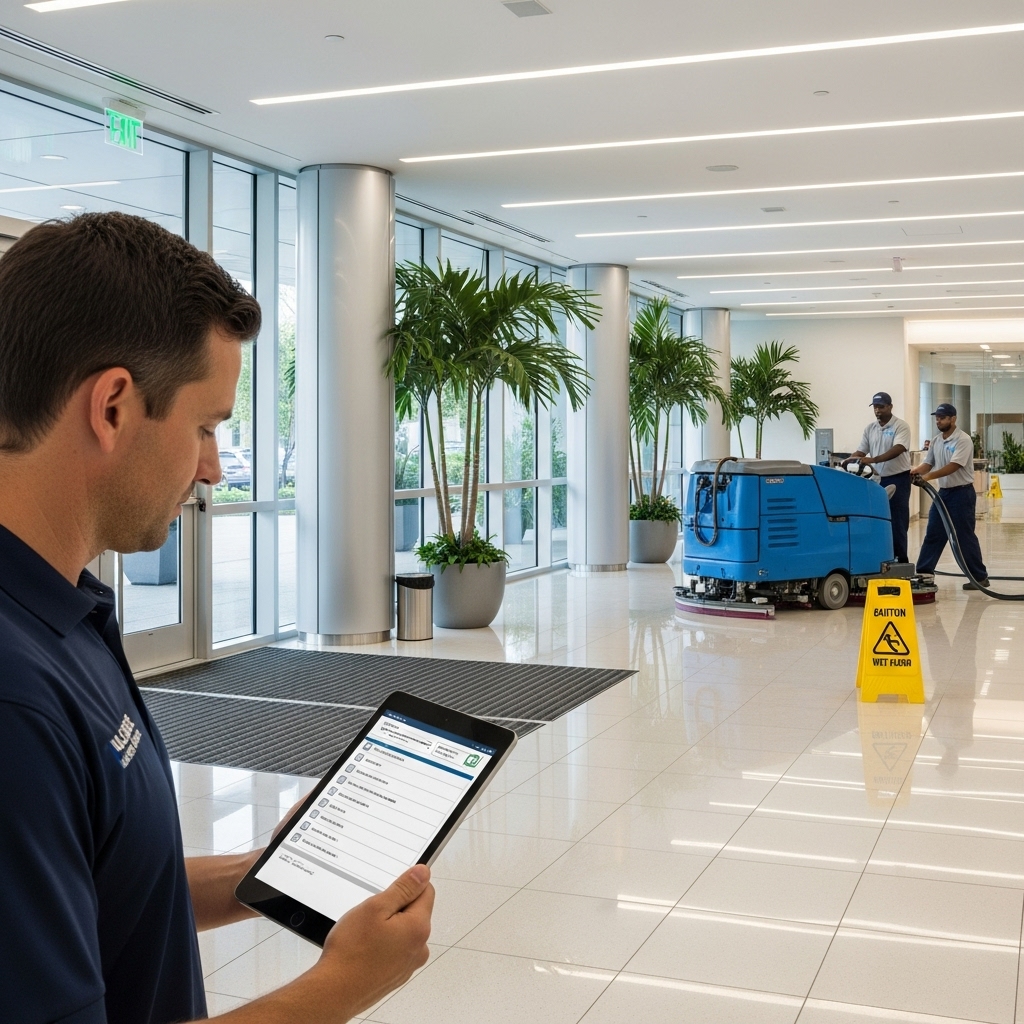
In Tampa’s fast-moving commercial environments—offices, healthcare clinics, restaurants, retail, schools, and hospitality—tile is a workhorse. It offers durability, moisture resistance, and a professional look that holds up to heavy use. Yet the same foot traffic, Florida humidity, and mix of indoor-outdoor activity also generate gritty soils, bio-load, and residues that threaten safety and appearance. As a facility manager, you need a clear, repeatable plan to safeguard slip resistance, protect grout, and maintain a welcoming brand image. This checklist-driven guide outlines the actions, schedules, and communication steps that keep tile performing under pressure. At key intervals, many managers pair in-house routines with scheduled professional tile cleaning to reset surfaces efficiently without overburdening staff.
Commercial tile care is both a cleanliness initiative and a risk management strategy. Clean, dry, residue-free floors reduce slip and fall incidents, support indoor air quality, and reassure employees and guests. The approach must be systematic, documented, and adaptable to changing traffic patterns, seasonal weather, and special events.
Assess Your Facility
- Map Surfaces: Identify tile types and finishes across lobbies, corridors, restrooms, kitchens, breakrooms, and service zones.
- Note Risk Areas: Highlight entrances, beverage stations, restrooms, and transition zones where spills and grit concentrate.
- Evaluate Ventilation: Ensure adequate airflow in restrooms and locker rooms to reduce humidity and mildew risk.
- Check Drainage: Verify slope and drainage in wet zones to prevent standing water.
A thorough assessment reveals where to prioritize resources. For instance, a busy café inside a lobby may need multiple quick touch-ups per day, while conference rooms require less frequent attention.
Daily Procedures
- Dry Soil Removal: Begin shifts with dust mopping or vacuuming hard floors to capture grit that scratches tiles and grinds into grout.
- Spot Response: Address spills immediately using neutral, non-slip cleaners and post wet floor signage until dry.
- Restroom Turnovers: Wipe high-touch points, remove visible residues on floors and walls, and run exhaust fans.
- Entryway Maintenance: Shake or replace mats, clean thresholds, and inspect for tracked-in sand after rain.
Train staff on correct dilution of neutral cleaners and the importance of changing mop water frequently; dirty solution simply moves soil around and leaves residue that increases slip risk.
Weekly and Monthly Tasks
- Grout Focus: Apply approved cleaners with dwell time and use soft to medium brushes to remove embedded soil.
- Machine Agitation: Use oscillating or cylindrical machines for textured tiles or large areas, followed by clear water rinses and thorough extraction.
- Detailing: Address edges, corners, and under fixtures where soil accumulates.
- Inspection: Document problem areas, recurring spots, and any surface damage needing repair.
Keep a maintenance log with dates, products used, and observations. Documentation supports audits, budgeting, and vendor coordination.
Training and Safety
Staff training should cover chemical safety, correct PPE, signage protocols, and surface-specific methods. Make sure teams know that more cleaner is not better—overuse creates residues that are hard to remove and can reduce slip resistance. In Tampa’s humidity, emphasize effective extraction and airflow to speed drying in restrooms and kitchens.
Selecting Products and Tools
- Neutral Daily Cleaners: Prevent film and protect finishes.
- Targeted Solutions: Use alkaline products for greasy zones and carefully chosen acidic products for mineral deposits where compatible.
- Microfiber Systems: Launderable pads improve soil capture and reduce streaking.
- Extraction Tools: Wet vacs or autoscrubbers remove residues and moisture efficiently.
- Brushes and Pads: Match stiffness to surface; avoid overly abrasive materials that scratch tile or damage grout.
Standardize SKUs across locations when possible for consistency and training simplicity. Always test new products in an inconspicuous area before full deployment.
Scheduling Professional Support
In-house teams handle daily and weekly tasks, but periodic professional resets are invaluable for stubborn grout discoloration, soap scum in restrooms, and widespread haze. Coordinate around operating hours to minimize disruption—overnight or early morning windows work well for many facilities. A recurring calendar of tile cleaning helps break the cycle of buildup and keeps appearance standards consistent across seasons.
Communication and Wayfinding
Clearly communicate cleaning schedules to staff and occupants. Use signage for wet floors, block off sections during machine work, and provide alternate routes where possible. Post reminders near entries about wiping footwear during rainy weather and where to report spills quickly. Proactive communication reduces accidents and frustration.
Special Environments
Healthcare: Prioritize disinfection protocols compatible with tile and grout. Ensure thorough rinsing to remove chemical residues that can compromise slip resistance and indoor air quality.
Food Service: Focus on degreasing near fryers and grills, and detail grout lines around prep stations. Regular extraction is essential to prevent films that trap new soil.
Education: Set schedules that work around class transitions and events. Emphasize fast drying and low-odor products.
Hospitality and Retail: Coordinate with front-of-house to clean during slow periods, and use discreet signage. Training should include quick response to guest-reported spills.
Quality Assurance and Metrics
- Visual Standards: Define acceptable appearance levels for grout brightness and tile clarity.
- Slip Resistance: Monitor surfaces after cleaning to ensure no residue remains.
- Dry Time Benchmarks: Track how long areas take to return to service under typical conditions.
- Issue Tracking: Maintain a log of recurring problems and corrective actions.
Regular walkthroughs with a checklist help you catch small issues before they become large ones. Invite feedback from frontline staff; they often notice patterns first.
Repairs and Preventive Care
Address loose tiles, cracked grout, and failing caulk promptly to prevent water intrusion and safety hazards. When planning renovations, select slip-resistant finishes appropriate to the space, and ensure grout types align with cleaning expectations. Proactive choices during design reduce long-term maintenance burdens.
Green and Healthy Practices
Choose low-VOC, low-odor products and proper dilution to support indoor air quality. Train teams to avoid chemical mixing and to use measured doses. Reusable microfiber systems reduce waste and improve results. Efficient processes—pre-vacuuming, targeted spot treatments, and thorough extraction—minimize the need for harsher chemistry.
Emergency Response
Be prepared for storms and plumbing incidents. Stock absorbent materials, wet vacs, neutral cleaners, and signage. After an event, prioritize extraction and ventilation to prevent lingering odors and microbial growth. Document incidents and follow up with a deep clean of affected areas.
Frequently Asked Questions
Q: How often should commercial grout be deep cleaned? A: Frequency depends on traffic and use. Restrooms and kitchens typically require more frequent attention than conference areas or administrative wings.
Q: Can daily mopping replace machine agitation? A: No. Daily mopping controls surface soil, but periodic machine agitation and extraction are needed for grout and textured tiles.
Q: What if we have multiple tile types? A: Map them and adjust products and pads accordingly. Train staff to identify sensitive materials and escalate questions before proceeding.
Q: Does sealing reduce maintenance? A: Penetrating grout sealers help, but do not eliminate the need for routine cleaning. They buy you time to address spills and reduce stain absorption.
Q: How do we keep restrooms from smelling musty? A: Improve ventilation, extract thoroughly after cleaning, and monitor for slow leaks or standing water that drive odors.
Q: Are low-odor products effective? A: Yes, when used as directed. Technique and extraction matter as much as chemistry in achieving safe, clean surfaces.
Q: How should we coordinate work with tenants or departments? A: Share schedules in advance, use signage, and offer alternate routes. Invite feedback and adjust timing for special events.
Q: What is the best way to handle rainy-day entrances? A: Increase mat maintenance, add frequent dry soil removal, and deploy extra spot checks for puddles and tracked-in grit.
From Checklist to Culture
Clean, safe tile is not a one-time project—it is an ongoing culture. With a clear plan, trained teams, documented methods, and periodic professional support, Tampa facilities can keep grout bright, floors safe, and brand image high. The payoff is fewer incidents, happier occupants, and surfaces that showcase your standards.
Keep Your Facility Looking Its Best
When in-house routines are no longer enough, a targeted reset helps restore safety and appearance quickly with minimal downtime. Coordinate timelines, prepare spaces, and communicate with stakeholders to ensure a smooth process.
Schedule professional tile cleaning that aligns with your operating hours and performance standards, and maintain a consistent, polished look across your Tampa property portfolio.