
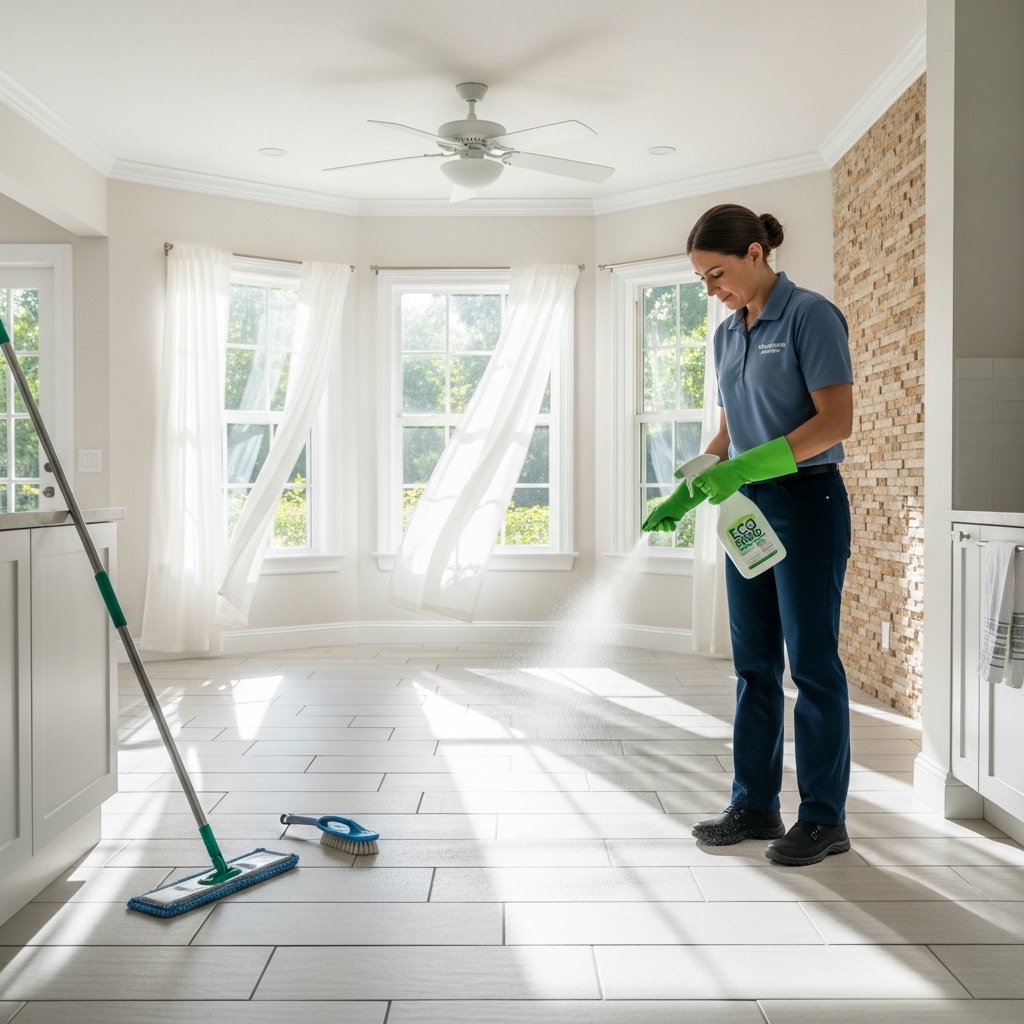
Why a Clear Tile Cleaning Process Matters for Tampa Homes
Tile floors are a staple across Tampa, Florida, from breezy Bayshore apartments to suburban homes in New Tampa. They are durable under sandy foot traffic, resilient during summer rain, and cooler than carpet in the heat. Yet even durable floors need a systematic cleaning process to keep grout bright, tile surfaces safe, and the entire home feeling fresh. A defined step-by-step approach prevents redepositing soil, reduces streaks and haze, and extends the life of your flooring and grout. For homeowners who want a reliable method that fits Tampa’s climate and lifestyle, understanding the complete workflow of tile cleaning—from preparation to final drying—makes all the difference.
This guide breaks down each stage, explains why it matters, and shows how to adjust for local conditions like humidity, salt air, and sandy grit tracked in from the beach. Whether you are a DIY enthusiast or planning to collaborate with an experienced technician, you’ll gain a clear blueprint to achieve consistent, safe, and long-lasting results.
Know Your Tile and Grout Before You Begin
Not all tile is identical, and understanding the material dictates the safest products and techniques. In Tampa homes, you’ll often find porcelain and ceramic in high-traffic areas, natural stone in entryways or baths, and specialty tiles like cement or patterned encaustic in accent spaces. Grout lines may be sanded or unsanded, epoxy-based, or previously sealed. Take time to identify your tile and grout type before selecting chemistry or agitation tools. Natural stone, for example, can etch when exposed to acidic cleaners, while porcelain often tolerates a broader range of alkaline solutions designed to cut through greasy soils and soap residue.
Equally important is evaluating the surface condition. Look for slippery film, detergent residue, efflorescence, grease buildup in kitchens, or mildew in bathrooms. Inspect for cracked grout, failing caulk, or loose tiles. A thoughtful pre-inspection prevents damage, streamlines the process, and helps you match your approach to the floor’s actual needs.
Step 1: Clear and Prepare the Space
Preparation determines the comfort and speed of the entire project. Remove chairs, small tables, rugs, plants, and floor décor. In kitchens, shift movable islands and clear the area beneath overhangs. In bathrooms, lift floor mats and place them outside the work zone. Cover nearby baseboards if they are susceptible to splashes. Open windows or run ventilation to accommodate Tampa’s humidity; if the day is muggy, use air conditioning and ceiling fans to keep airflow steady. Trimming the clutter allows you to reach corners, grout edges, and under kick plates where deep soil often hides.
Step 2: Dry Soil Removal
Dry soil is the enemy of clean tile. Sand, dust, and grit act like fine abrasives that scratch glossy finishes and dull matte surfaces. Begin with a thorough dry sweep using a microfiber dust mop, then vacuum with a hard-floor attachment. Pay extra attention to entryways where outdoor sand collects and to transitions between rooms. Removing as much dry soil as possible prevents it from turning into muddy slurry once you add liquid cleaners, and it minimizes the risk of streaks or sticky film later.
Step 3: Choose the Right Cleaning Chemistry
Match your cleaning solution to the type of tile, soil, and setting. Alkaline cleaners dissolve greases and typical kitchen residue, while neutral cleaners are ideal for routine maintenance and sealed grout. For natural stone, use stone-safe formulations and avoid strong acids. In bathrooms with mildew, select a cleaner that targets biological growth without harming grout pigment. Always read dilution ratios and test a small, inconspicuous area before proceeding. Tampa’s humidity can slow evaporation, so avoid over-wetting solutions—less is more when you allow proper dwell time and agitation.
Step 4: Apply Pre-Spray and Honor Dwell Time
Pre-spray the floor with your chosen solution, starting at the farthest corner and working toward the exit. Keep the application even but controlled—oversaturation prolongs drying and can wick soil into grout. Dwell time is critical; give the chemistry time to break down oils and soil. In the warm Tampa climate, solutions may not evaporate quickly indoors, but moving air helps keep dwell consistent. Allow the dwell period recommended on the product label; rushing this stage often leads to repeat passes and can leave detergent residue behind.
Step 5: Agitation—Manual and Mechanical
Agitation loosens soil from the microscopic pores in tile and from the rough texture of grout. Use a nylon-bristle brush or a grout brush with a handle for edges and tight lines. For larger rooms, a floor machine with a soft to medium brush or a counter-rotating brush machine can dramatically improve efficiency. Avoid aggressive pads on natural stone or glossy finishes to prevent scratching. Focus on traffic lanes first—entryways, kitchen cooking zones, and hallways—then scrub the perimeters where grime often accumulates. Wipe splashes from baseboards as you progress.
Step 6: Rinse and Extract
Rinsing is where a lot of shine returns. Use clean water or a mild rinse agent to lift loosened soils and leftover cleaner from the floor. You can mop-rinse in small spaces, but for deeper cleaning, extraction with a specialized tool yields better results. If you are DIY mopping, refresh your rinse bucket frequently and avoid dragging a dirty mop across newly cleaned areas. The goal is simple: remove soil and chemistry fully so nothing dries into a haze.
Step 7: Neutralize When Needed
If you used an alkaline cleaner, a neutralizing rinse can bring the pH back to a balanced range, protecting grout color and reducing streak potential. This step is especially helpful in kitchens where grease-cutting formulas are stronger. A proper neutralization also makes subsequent maintenance easier, as you are not layering new cleaner on top of old residue.
Step 8: Speed Drying for Tampa’s Humid Days
Humidity in Tampa can extend drying time, and damp tiles may attract new soil or create slip hazards. Encourage rapid drying with ceiling fans, box fans, or your home’s HVAC system. Direct airflow across the floor, and open interior doors to move air between rooms. Use clean microfiber towels to wipe residual moisture from grout joints if needed. The faster the floor dries, the better the final appearance and the less chance for water marks or haze.
Step 9: Inspect and Detail
Once dry, evaluate your work in natural and artificial light. Check for missed corners, sticky patches, or cloudy film. Detail edges with a damp microfiber cloth and re-brush stubborn grout lines. If haze remains, it may indicate residual detergent—repeat a light rinse and buff dry. Make any needed touch-ups before returning furniture and rugs to their places.
Optional: Sealing and Grout Protection
Sealing can help protect porous grout from stains and make future cleaning faster. If you choose to seal, ensure the grout is fully clean and dry. Apply according to label directions, keeping the sealer off non-porous tiles when possible. In busy Tampa kitchens and entryways, protective measures such as area rugs at exterior doors, felt pads under furniture, and routine maintenance will extend the benefits of a sealing step. Remember, sealing is not a substitute for cleaning; it simply adds time to the soil-resistance clock.
Adjustments for Specific Rooms
Every room has its own cleaning challenges. In bathrooms, soap residue and mildew are common. Use a stone-safe, mildew-targeted cleaner on stone showers and a suitable cleaner on porcelain tub surrounds. In kitchens, prioritize degreasing steps and thorough rinses. For laundry rooms, watch for detergent spills or fabric softener films that can increase slipperiness. For patios or sunrooms with tile, consider the effects of outdoor dust and salt-laden breezes. Adjust chemistry and agitation to the soil profile in each space.
Preventing Common Mistakes
Several simple missteps can undo good work. Over-wetting drives soil deeper into grout. Skipping dry soil removal turns cleaning into smearing. Using too strong a cleaner on delicate stone causes etching. Neglecting dwell time forces you to over-scrub. Failing to rinse thoroughly leads to haze. Skipping ventilation slows drying and invites streaks. Follow the process, not shortcuts, and you’ll save time and effort.
Supplies and Tools Checklist
- Microfiber dust mop and hard-floor vacuum attachment
- Bucket(s) dedicated to cleaning and rinsing
- Neutral cleaner for routine maintenance
- Alkaline cleaner for kitchen grease and heavy soils (tile-safe)
- Stone-safe cleaner where applicable
- Nylon scrub brushes and grout brushes
- Soft pads for gentle agitation
- Clean microfiber towels for buffing and drying
- Fans or HVAC for airflow
- Optional: counter-rotating brush or floor machine for large areas
Mid-Process Insight: Balance Chemistry, Agitation, and Time
Effective results come from a balance of three factors—chemistry, agitation, and time. If your chemistry is gentle, increase dwell and agitation. If your agitation is limited to hand brushing, allow a bit more time. If humidity is high, reduce liquid volume and improve airflow. It is also wise to do a small test area before committing to the entire floor, especially on unknown or sensitive surfaces. For homeowners seeking a professional-standard approach in Tampa’s unique conditions, partnering with a trusted team for tough jobs or periodic deep cleans can complement your routine, and the right pros excel at controlled, residue-free tile cleaning that respects both material and indoor air quality.
Long-Term Maintenance Habits for Tampa Living
A process is only as effective as the habits that follow. Place walk-off mats at entries to capture sand and moisture. Sweep or vacuum several times a week in high-traffic areas and after beach days or outdoor projects. Use a neutral cleaner for routine damp mopping, and change your mop water frequently. Dry the floor with a microfiber towel to discourage streaks. Wipe up spills immediately, especially acidic spills like citrus juice that can harm stone. Move furniture occasionally to clean under glides and behind legs. By staying consistent, you’ll slow soil accumulation and reduce how often intensive steps are needed.
Room-by-Room Step Summary
- Entryways: Prioritize dry soil removal, then a neutral cleaner and careful grout brushing.
- Kitchens: Degrease with an appropriate alkaline cleaner; rinse and neutralize thoroughly.
- Bathrooms: Target soap, hard water, and mildew with tile-appropriate chemistry; ventilate well.
- Living Areas: Routine maintenance with neutral cleaner and periodic deep agitation.
- Outdoor or Semi-Outdoor Spaces: Consider environmental dust and salt; rinse more often.
Safety and Environmental Considerations
Ventilation matters, especially in enclosed bathrooms and laundry rooms. Use gloves if your skin is sensitive, and keep pets and children off the floor until it is fully dry. Choose low-odor, low-residue products when possible, and avoid mixing chemicals. If you use a new product, read the entire label before you begin. Protect neighboring surfaces like baseboards, cabinets, and stainless appliances from splashes by using controlled application and immediate wipe-downs.
FAQ: Tile Cleaning Process for Tampa Homes
Q: How often should I perform a full multi-step cleaning on tile floors?
A: It depends on traffic and soil load. Many Tampa households do a deep clean every one to three months, with routine sweeping and neutral mopping weekly. Homes with pets, beach visits, or heavy cooking may need more frequent attention.
Q: Can I use vinegar on my tile floors?
A: Vinegar is acidic and can damage certain grout and natural stone. For porcelain and ceramic, it may still leave residue or dull the finish. A neutral or tile-appropriate cleaner is a safer bet for routine care.
Q: Why does my floor look cloudy after it dries?
A: Cloudiness often comes from leftover detergent that wasn’t fully rinsed or from re-depositing dirty water. Try a clean-water rinse or a light neutralizing rinse, then buff dry with microfiber.
Q: How do I handle heavily stained grout?
A: Pre-treat with a grout-safe cleaner, allow dwell time, and scrub with a grout brush. In severe cases, consider color sealing or professional restoration if cleaning alone cannot address permanent discoloration.
Q: Is sealing always necessary?
A: Sealing is optional but beneficial for porous grout. It won’t stop soil but buys extra time to wipe spills and simplifies maintenance. Follow manufacturer guidance and ensure surfaces are clean and dry before sealing.
Q: Are steam tools safe on all tiles?
A: Steam can be helpful on some ceramic or porcelain installations but may damage certain stones, loosen weak grout, or compromise older sealers. Always test a small area and consult tile-specific guidance.
Q: What’s the best way to speed drying in Tampa’s humidity?
A: Use ceiling fans, portable fans, and HVAC to move air. Keep mop water minimal, wring thoroughly, and towel-dry grout lines when needed. Good airflow protects against streaks and slip hazards.
Q: How should I prepare a room before a deep clean?
A: Clear movable items, vacuum thoroughly, tape off delicate baseboards if needed, and set up ventilation. Having tools laid out in advance saves time and reduces interruptions once the process begins.
Bring Back the Shine to Your Tampa Floors
If your tile has lost its luster, a disciplined process will restore clarity, color, and traction. Start with dry soil removal, match chemistry to your material, honor dwell time, agitate intelligently, rinse thoroughly, and dry quickly. For large or complex areas, or when you want a refresh that feels brand new, consider teaming up with specialists who deliver residue-free results. When you are ready to elevate your home’s comfort and cleanliness, schedule professional tile cleaning and enjoy floors that look and feel their best in Tampa’s vibrant climate.