
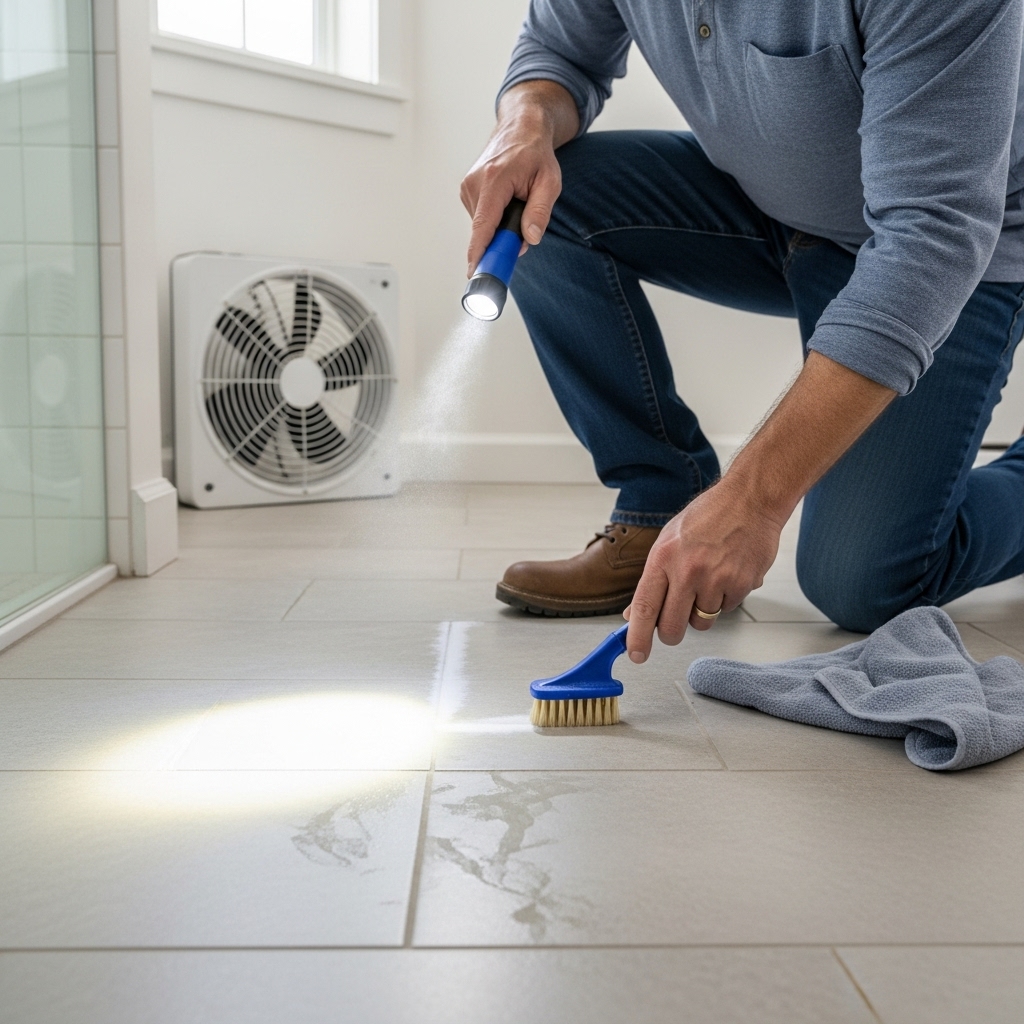
Introduction: Solve Tile Troubles the Tampa Way
Tile stands up well to Tampa life, but even resilient floors can develop haze, stains, or slippery spots when routines slip or products clash. Troubleshooting tile issues requires detective work: identify the symptoms, trace the root cause, and apply a precise fix that suits the material and the climate. Whether you are dealing with bathroom mildew, kitchen grease film, or grout that refuses to brighten, this guide walks you through practical solutions that restore clarity, traction, and color. For especially stubborn problems—or when you want a fast, professional reset—specialists in tile cleaning can help you cut through buildup and return your floors to a healthy baseline.
The tips below are organized by symptom, so you can match what you see to a remedy. Remember that Tampa’s humidity, salt air near the coast, and sandy grit from outdoor fun all play a role in how soils behave and how floors dry.
Problem: Cloudy Haze After Mopping
Symptom: A dull, cloudy film appears once the floor dries, especially visible in natural light.
Cause: Residual detergent, dirty rinse water, or incompatible cleaners. High humidity can slow evaporation and leave streaks.
Fix: Rinse with clean water and buff dry with microfiber. If residue persists, use a light neutralizing rinse to balance pH and break down film. Switch to a neutral cleaner for routine care, refresh rinse water frequently, and use fans or AC to speed drying.
Problem: Slippery Floors
Symptom: Floor feels slick after cleaning or when humid weather sets in.
Cause: Soap or fabric softener residue, incorrect dilution, or greasy soils not fully removed.
Fix: Perform a thorough rinse cycle and consider a degreasing step for kitchens. Wring mops well and avoid pouring excess solution. Promote airflow to dry the surface quickly. In laundry rooms, watch for overspray from detergents and softeners.
Problem: Grout That Won’t Brighten
Symptom: Dark, dingy grout lines even after scrubbing.
Cause: Embedded soils, staining from spills, or old sealer trapping discoloration beneath the surface.
Fix: Increase dwell time with a grout-safe cleaner and scrub with a dedicated brush. Rinse thoroughly and towel-dry lines so soil is lifted, not re-deposited. If discoloration remains, color sealing or restoration may be needed to address permanent staining.
Problem: Bathroom Mildew and Odor
Symptom: Musty smell and dark spotting in grout or corners.
Cause: High humidity, poor ventilation, and soap residue feeding microbial growth.
Fix: Improve airflow by running exhaust fans during and after showers. Use an appropriate cleaner that targets mildew while protecting tile type. Agitate corners and grout, rinse thoroughly, and dry surfaces. Keep shower doors or curtains open to circulate air, and squeegee walls and floors after use to break the growth cycle.
Problem: Grease Film in Kitchens
Symptom: Oily feel, dull appearance around cooking and prep zones.
Cause: Airborne oils, splatters, and residues that resist neutral cleaners.
Fix: Use a tile-safe alkaline cleaner, allow dwell time, and agitate with a brush or soft pad. Rinse until water is clear and consider a neutralizing rinse afterward. Detail along base cabinets and under kick plates, where residue collects.
Problem: Efflorescence or White Crystals
Symptom: Powdery or crystalline deposits on grout or tile edges.
Cause: Moisture movement bringing salts to the surface, common in damp areas or near exterior transitions.
Fix: Dry the area, gently brush deposits away, and address moisture sources such as slow leaks or inadequate sealing at thresholds. Avoid harsh acids on sensitive materials; test any specialized product in a hidden spot.
Problem: Etching on Natural Stone
Symptom: Dull marks or light spots that do not respond to cleaning.
Cause: Acidic contact, such as citrus spills or vinegar-based cleaners.
Fix: Switch to stone-safe cleaners and protect vulnerable areas from acidic foods or products. Severe etching may require professional honing or polishing to restore the finish.
Problem: Persistent Odors After Cleaning
Symptom: A lingering smell even when surfaces look clean.
Cause: Residual moisture in grout or under tile, trapped soils, or incompatible products.
Fix: Increase airflow and drying time, perform a thorough rinse to remove residue, and inspect for hidden spills near appliances. Address moisture sources and consider a deeper service if odors persist.
Diagnostic Shortcuts
- Test spot with neutral cleaner: If gloss returns, you likely had detergent residue.
- Water-only rinse test: If the floor improves, product buildup is the culprit.
- Dwell and scrub: If grout lightens, soil was the main issue; if not, staining is likely.
- Humidity check: If haze appears on muggy days, improve airflow and reduce solution volume.
Mid-Guide Tune-Up: Technique Over Force
Hard scrubbing is rarely the answer. Balance chemistry, agitation, and dwell time for results that look clean and feel clean underfoot. Refresh rinse water often, switch microfiber pads before they load up, and move air with fans. If you want a quick return to a true baseline, a professional service that specializes in residue-free tile cleaning can cut through layered buildup and make routine upkeep a breeze.
Room-Specific Troubleshooting
- Showers and baths: Squeegee after use, improve ventilation, and use stone-safe products on natural stone.
- Kitchens: Degrease strategically, detail edges and under appliances, and rinse thoroughly.
- Entries and mudrooms: Remove sand promptly, use mats, and perform more frequent dry sweeps.
- Laundry rooms: Control overspray from detergents and softeners; sticky residue can spread underfoot.
- Lanais and sunrooms: Rinse to reduce salt and pollen film; ensure safe drying to avoid slips.
Tools That Make Troubleshooting Easier
- Neutral cleaner, alkaline degreaser, and stone-safe cleaner
- Grout brushes and soft pads for controlled agitation
- Two buckets or dual-chamber mop for separate rinse water
- Microfiber towels to buff and dry quickly
- Portable fans for humidity management
Prevention: Set Yourself Up for Fewer Problems
Prevention outperforms correction every time. Sweep regularly to remove grit, use entry mats, dry floors after mopping, and maintain good ventilation. In kitchens, wipe spills immediately and clean cooking zones more often. In bathrooms, keep fans running and squeegee surfaces after showers. Consider sealing clean, dry grout to buy extra time on spill cleanup and reduce staining risk.
Frequently Asked Questions
Q: Why does haze keep returning after I mop?
A: If haze reappears, you may have detergent layers. Use a clean water rinse or neutralizing rinse, refresh your rinse water more often, and reduce solution volume. Buff dry with microfiber and improve airflow.
Q: How can I tell if a mark is etching or just residue?
A: If a neutral cleaner and rinse do not restore the spot, and it remains dull from every angle, it’s likely etching on natural stone. Residue typically lifts with proper rinsing and buffing.
Q: What is the best way to brighten grout without damage?
A: Use a grout-safe cleaner, allow dwell time, and scrub with a dedicated brush. Rinse thoroughly and dry. If stains remain, color sealing can provide a uniform, clean appearance.
Q: Are steam tools safe for troubleshooting?
A: They can help on some ceramic and porcelain floors but may harm sensitive stone or weakened grout. Always test first and follow manufacturer guidelines.
Q: How do I keep floors from getting slippery again?
A: Reduce detergent use, rinse fully, and dry quickly with airflow. In greasy zones, use targeted degreasing followed by a neutralizing rinse.
Q: When should I seek professional help?
A: If you’ve tried proper rinsing, dwell, and agitation without improvement—or if you suspect etching, deep staining, or moisture intrusion—consider a professional assessment to avoid trial-and-error damage.
Restore Clarity and Comfort Underfoot
Tile issues can be stubborn, but they are rarely permanent. With the right diagnosis and a careful fix, you can remove haze, stop slip, and brighten grout so your rooms look welcoming again. When you want a fast path back to a clean baseline, schedule professional tile cleaning and enjoy Tampa floors that shine without residue or risk.