
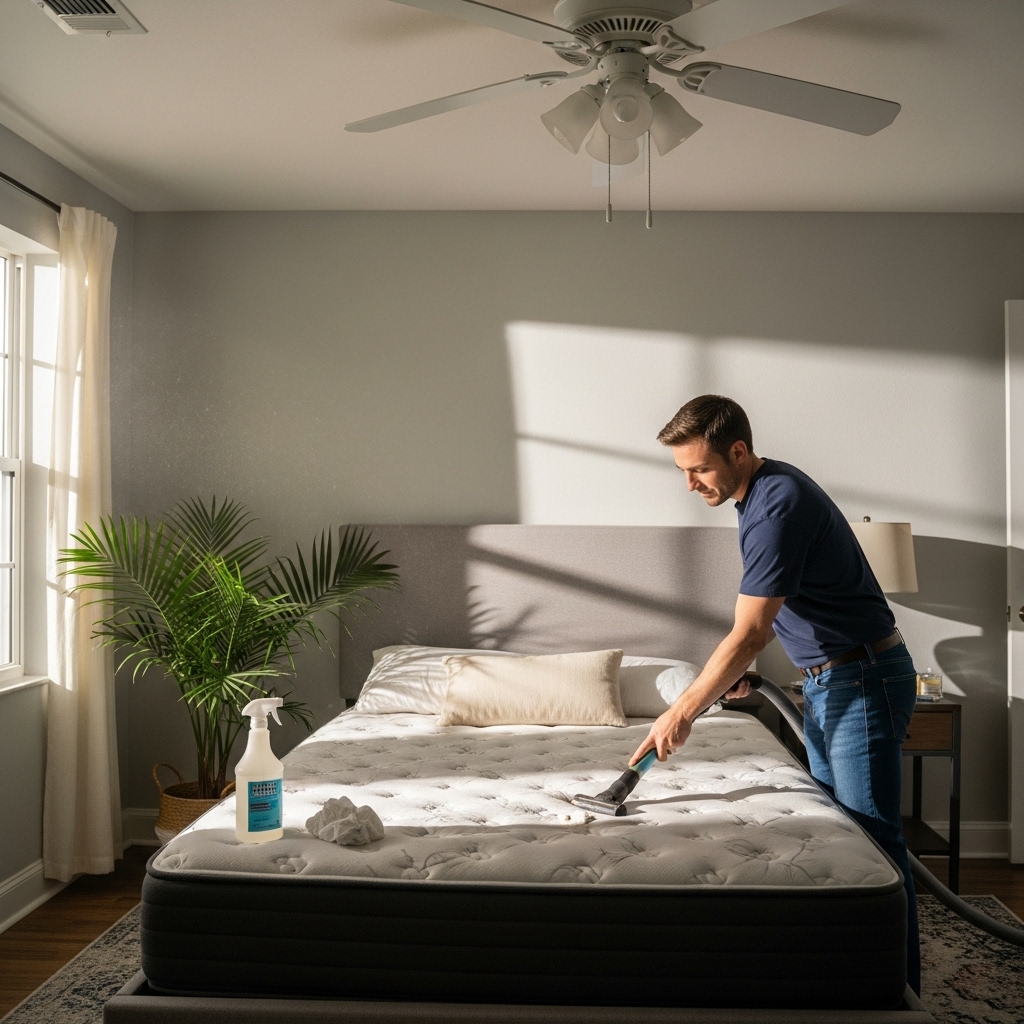
Cleaning your mattress at home in Tampa, Florida is both achievable and rewarding. With warm weather, high humidity, and frequent indoor-outdoor living, Tampa beds can accumulate sweat, dust, pet dander, and occasional spills more quickly than you might expect. A smart DIY routine can make your mattress feel fresher, smell better, and support healthier sleep. Early in your process, remember that some tasks are simple to handle on your own, while others benefit from professional help. If you decide you want extra support, explore professional mattress cleaning options to complement your at-home care.
This guide shows you how to tackle dry soil removal, stain treatment, odor control, and drying—while avoiding common mistakes that can damage foam or encourage musty odors. With a few household tools and the right sequence, you can complete a safe, low-moisture clean that respects the layers and quilting of modern mattresses.
Understand your mattress materials before you begin
Different constructions need different care. Innersprings with pillow-tops, memory foam, latex, and hybrid models respond best to controlled moisture and gentle chemistry. Check manufacturer guidelines for any cleaning cautions. When in doubt, start with the least aggressive method and test products on an inconspicuous area.
Core DIY steps for Tampa homes
- Strip and air the bed: Remove all bedding and protectors. If weather allows and the air is not overly humid, open a window briefly or run a fan to improve circulation.
- Vacuum thoroughly: Use a clean upholstery tool and a vacuum with strong filtration. Make slow, overlapping passes on the top and sides. Pay attention to seams and piping where dust accumulates.
- Spot treat stains: Identify stain types. Protein stains (sweat, body fluids) often lighten with an enzymatic or oxygen-based approach. Tannin or beverage spills may call for a different formula. Always apply to a cloth first, dab gently, and allow dwell time without oversoaking.
- Neutralize and rinse minimally: After pre-treatment, use a lightly dampened cloth with clean water to lift residues. Work in small sections to control moisture.
- Deodorize smartly: Rather than masking odors with heavy fragrance, focus on source removal. A light application of a fabric-safe deodorizer or a very small amount of baking soda (vacuumed thoroughly after dwell) can help.
- Accelerate drying: Run a ceiling fan or place a portable fan a few feet away. In Tampa’s humid months, air conditioning helps reduce moisture in the room.
Stain-by-stain guidance
- Sweat halos: Common in warm climates, they respond to gentle enzymatic pre-treatment followed by minimal rinsing. Pat dry with a clean towel and increase airflow.
- Spilled drinks: Blot immediately. Avoid scrubbing, which can push liquid deeper. Treat tannin or sugar residues with an appropriate cleaner and dab-rinse carefully.
- Pet accidents: Absorb as much as possible with paper towels. Treat the area with an enzymatic cleaner, allowing extra dwell time. Follow with a minimal rinse and plenty of airflow.
- Makeup or lotion: Use a fabric-safe solvent sparingly on a cloth to break oily residues, then follow with a mild cleaner. Test first to protect dyes and quilting.
- Blood: Cold water is your friend. Use a protein-targeted cleaner. Avoid heat, which can set the stain.
Moisture control: the key to DIY success in Tampa
Moisture management is vital. Oversaturation can cause slow drying, musty smells, and potential damage to foam. Work with lightly dampened cloths, never pouring liquid directly onto the bed. Do not use steamers on memory foam or latex, as trapped moisture can linger in deeper layers.
Allergy and odor reduction at home
To reduce allergens, vacuum the mattress regularly using clean tools, launder bedding weekly, and consider encasements that fit your mattress type. For odor control, address messes quickly, keep indoor humidity in check with air conditioning during the wet season, and increase airflow after any cleaning.
A monthly and seasonal schedule for Tampa
- Weekly: Launder sheets and pillowcases; quick vacuum passes if you sleep warm or co-sleep with pets.
- Monthly: Rotate the mattress if recommended by the manufacturer; inspect for new spots and treat them promptly.
- Seasonally: During high humidity, run fans and ensure the bed has breathing room around the base. Consider airing the room on drier days.
Safe, fabric-friendly DIY solutions
Aim for gentle, fabric-safe products and avoid harsh oxidizers or strong solvents unless necessary and tested. Use clean white cloths to prevent dye transfer. For most spots, less is more: small amounts of product, longer dwell time, and gentle blotting outperform aggressive scrubbing.
Drying faster in a humid climate
Point a fan across the surface—not directly pressed against it—so air sweeps moisture away. If you have a box fan, set it in a doorway to create cross-ventilation. Air conditioning helps; if the outdoor air is very humid, closing windows and running cooling may be better than opening the room.
When DIY is not enough
Some scenarios exceed what household tools can handle: deep, set-in odors; wide, old stains; or repeated pet accidents that have penetrated layers. If you notice persistent mustiness or discoloration after your best efforts, a professional cleaning can perform a deeper flush with controlled moisture and specialized tools. Research local providers and ask about their low-moisture upholstery techniques, drying strategies, and allergen-conscious products to complement your routine.
Common mistakes to avoid
- Using too much liquid: This can drive soils deeper and slow drying.
- Scrubbing vigorously: It risks damaging fabric and spreading stains.
- Skipping the vacuum step: Removing dry soil first prevents muddying during spot treatment.
- Relying on heavy fragrance: Perfume can mask, not solve, odor issues.
- Using steam on foam: Foam absorbs moisture and can take too long to dry in Tampa’s climate.
Build a clean-sleep environment
Your mattress is part of a whole-room ecosystem. Keep bedroom floors vacuumed, dust hard surfaces, wash curtains or blinds periodically, and use a high-quality pillow protector. Small habits create momentum that makes DIY mattress care easier and more effective.
FAQ: DIY mattress care in Tampa
Q: How often should I vacuum my mattress? A: Monthly is a practical baseline for many Tampa homes, with more frequent passes if you have allergies or pets.
Q: What should I do first after a spill? A: Blot immediately with dry towels to remove as much liquid as possible, then treat the area with an appropriate cleaner.
Q: Can I use baking soda for smells? A: Yes, in moderation. Sprinkle lightly, allow brief dwell time, and vacuum thoroughly. Avoid clumps and never oversaturate with water when removing.
Q: Is sunlight helpful? A: Brief indirect sunlight and airflow can help, but avoid prolonged direct sun that may affect fabrics and foams. Focus on ventilation and gentle drying.
Q: Can I flip my mattress after cleaning? A: Only if the manufacturer designed it for flipping. Many modern mattresses are one-sided; follow the brand’s guidance and rotate if suggested.
Q: Is vinegar safe for everything? A: No. Vinegar is acidic and not suitable for all materials or stains. Test first and avoid strong odors that may linger.
Q: Why do some stains come back? A: Wicking can occur if a spot was overly wet or not fully rinsed. Blot, allow to dry with airflow, and repeat gentle treatment if needed.
Q: When should I call a pro? A: If odors persist, stains cover a large area, or you are unsure about the right chemistry, professional help can save time and protect your mattress.
Want a professional finish without the guesswork
DIY care goes a long way, especially when you work methodically and manage moisture in Tampa’s climate. For deeper results or tricky situations, schedule professional mattress cleaning to refresh your bed thoroughly and complement your at-home routine.