
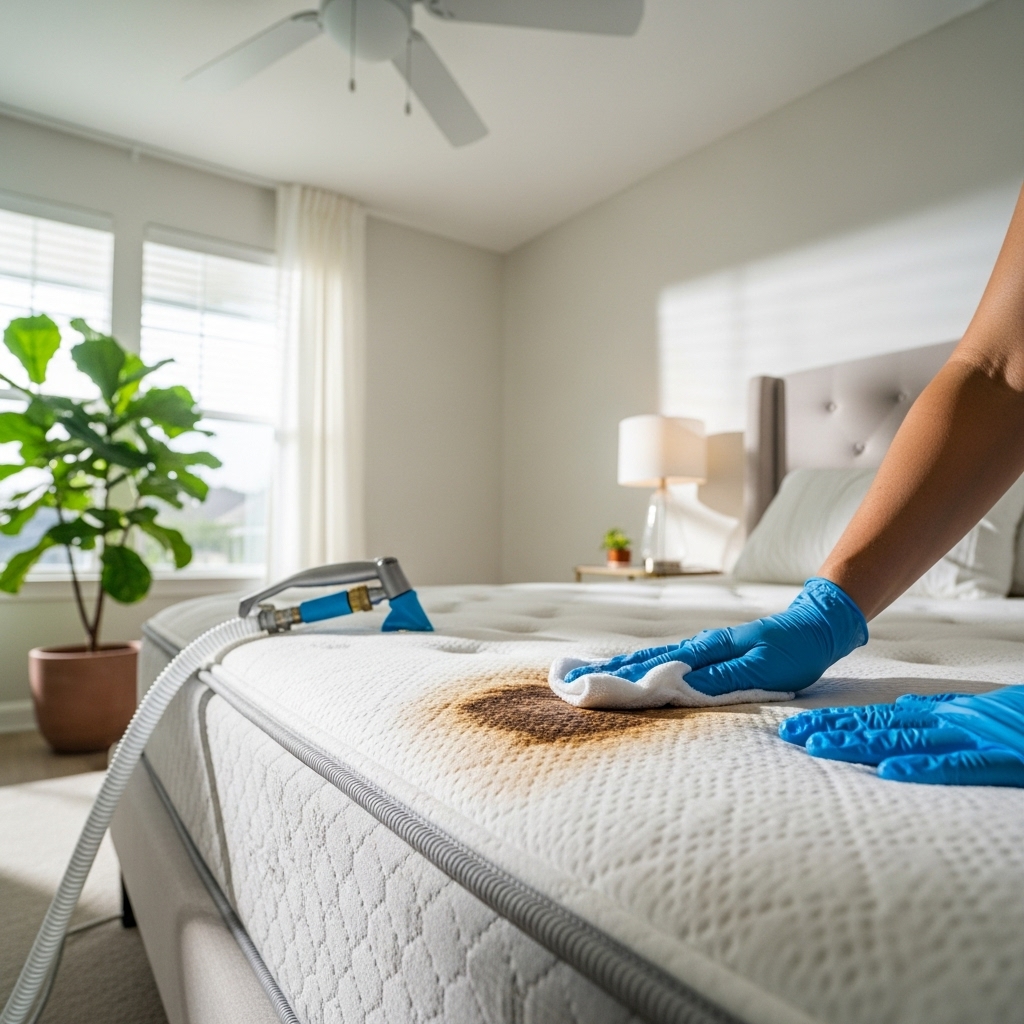
Stains and odors can make a comfortable mattress feel tired long before its time. In Tampa, Florida—where warmth and humidity are part of daily life—stain removal and deep cleaning require careful technique to avoid over-wetting and to keep fabrics feeling soft and fresh. Whether you have sweat halos, beverage spills, or pet accidents, a professional-style approach at home can make a noticeable difference. If you would rather leave the heavy lifting to trained technicians, professional mattress cleaning offers controlled methods and faster drying tailored to Tampa’s climate.
This guide breaks down pro-inspired steps for identifying stains, selecting the right chemistry, and using low-moisture techniques that protect foams and quilting. You will also learn when to call a pro and how to maintain results between deep cleans.
Know your fabric and foam
Mattresses vary widely: knit covers on memory foam, quilted pillow-tops on innersprings, and latex hybrids each respond differently to moisture and agitation. Test any product on a hidden area first. Avoid harsh scrubbing; rely on dwell time and gentle blotting to protect fibers.
Pro-style workflow overview
- Inspection: Identify stain type (protein, tannin, oil-based) and assess age and size. Long-set stains may never disappear entirely but can often lighten significantly.
- Dry soil removal: Vacuum with a clean upholstery tool to lift dust and dander before introducing moisture.
- Targeted pre-treatment: Apply the appropriate solution to a cloth and dab the stain, allowing dwell time. Work from the outside in to minimize rings.
- Low-moisture rinse: Use a lightly damp cloth to remove residues, changing cloths frequently to avoid re-depositing soils.
- Neutralization: Finish with a fabric-safe rinse to maintain a comfortable feel and reduce stickiness.
- Drying: Encourage airflow with fans and air conditioning. In Tampa’s humidity, drying management is crucial.
Stain strategies by type
- Protein stains (sweat, body fluids): Enzymatic pre-treatment followed by gentle blotting and a cool-water rinse works well. Avoid heat that can set protein.
- Tannin stains (tea, coffee, wine): Use a tannin-targeting cleaner. Blot patiently; repeated light applications are safer than one heavy application.
- Oil-based stains (lotions, body oils): Start with a fabric-safe solvent applied sparingly to a cloth, then follow with a mild cleaner to lift residues.
- Unknown or mixed stains: Begin with the mildest method and escalate carefully after testing in a discreet area.
Ring prevention and edge control
Stain rings form when moisture spreads beyond the soiled area and dries unevenly. Keep treatment slightly larger than the stain but not excessively wide. Feather the edges with a damp cloth to blend, and ensure even airflow across the treated zone.
Odor management without heavy fragrance
True deodorizing targets the source. After lifting residues, a fabric-safe deodorizer can help. Avoid saturating the mattress or masking odors with strong perfumes. In Tampa, prioritize quicker drying to prevent musty smells from returning.
Why low-moisture matters in Tampa
Foams hold water. Excess moisture slows drying and can lead to lingering odors. Professional methods use tools that control fluid precisely while extracting loosened soils. At home, mimic this by using lightly dampened cloths, changing them often, and relying on ample airflow.
When to call a pro
Consider professional help for widespread stains, old discoloration across large areas, persistent odors after DIY attempts, or when you prefer guaranteed drying strategies. Technicians bring upholstery-specific tools to rinse and extract efficiently while protecting the structure of the mattress.
Maintaining results between deep cleans
- Use a protector or encasement appropriate for your mattress type, washing it regularly.
- Vacuum the mattress monthly to remove dust and reduce allergen buildup.
- Rotate the mattress as recommended by the manufacturer to distribute wear and minimize compressions where stains tend to concentrate.
- Address spills immediately to prevent setting and reduce the chance of rings.
Pro tips for Tampa’s climate
- Schedule deep cleaning earlier in the day for better drying conditions.
- Run air conditioning during and after cleaning to lower indoor humidity.
- Create cross-ventilation with fans positioned to move air across the mattress.
- Avoid steaming foam or heavy water usage, which can prolong drying.
Middle-of-the-job check: are you on track?
Halfway through a cleaning session, reassess stains under consistent light. If a mark has faded but not vanished, continue with gentle, repeated passes rather than escalating too fast. If odors persist after stain removal, consider a deeper flush or schedule professional mattress cleaning to reset the fabric without oversaturation.
Common pitfalls
- Using colored cloths that transfer dye onto light fabrics.
- Scrubbing aggressively, which fuzzes fibers and spreads soils.
- Skipping the neutralizing rinse, which leaves residues that attract dust.
- Under-ventilating, which prolongs drying and can lead to musty smells.
FAQ: Stain removal and deep cleaning
Q: Can every stain be removed completely? A: Some long-set or chemically bonded stains may leave a faint shadow, but careful methods often achieve significant improvement without damaging the fabric.
Q: How do I prevent yellowing from sweat? A: Use a protector, launder bedding frequently, and schedule periodic cleaning before halos become prominent.
Q: Is baking soda safe to use? A: In light amounts followed by thorough vacuuming, it can help with odor, but it is not a cure-all. Avoid overuse and always prioritize source removal.
Q: How quickly should I address spills? A: Immediately. Prompt blotting reduces penetration and improves final results.
Q: What about memory foam? A: Handle with extra care. Limit moisture, avoid heat, and ensure extended airflow during drying.
Q: Does fragrance mean clean? A: No. A neutral, fresh scent indicates soils were removed rather than masked.
Q: Can I sleep on the mattress the same day? A: Yes, once fully dry. Use fans and air conditioning to accelerate drying in Tampa’s humidity.
Finish strong: protect your progress
Good stain removal is as much about what you do afterward as how you start. Keep your bedroom ventilated, wash protectors and sheets regularly, and rotate the mattress to distribute wear. If you encounter stubborn marks or recurring odors, schedule professional mattress cleaning to restore freshness and extend the life of your bed.