
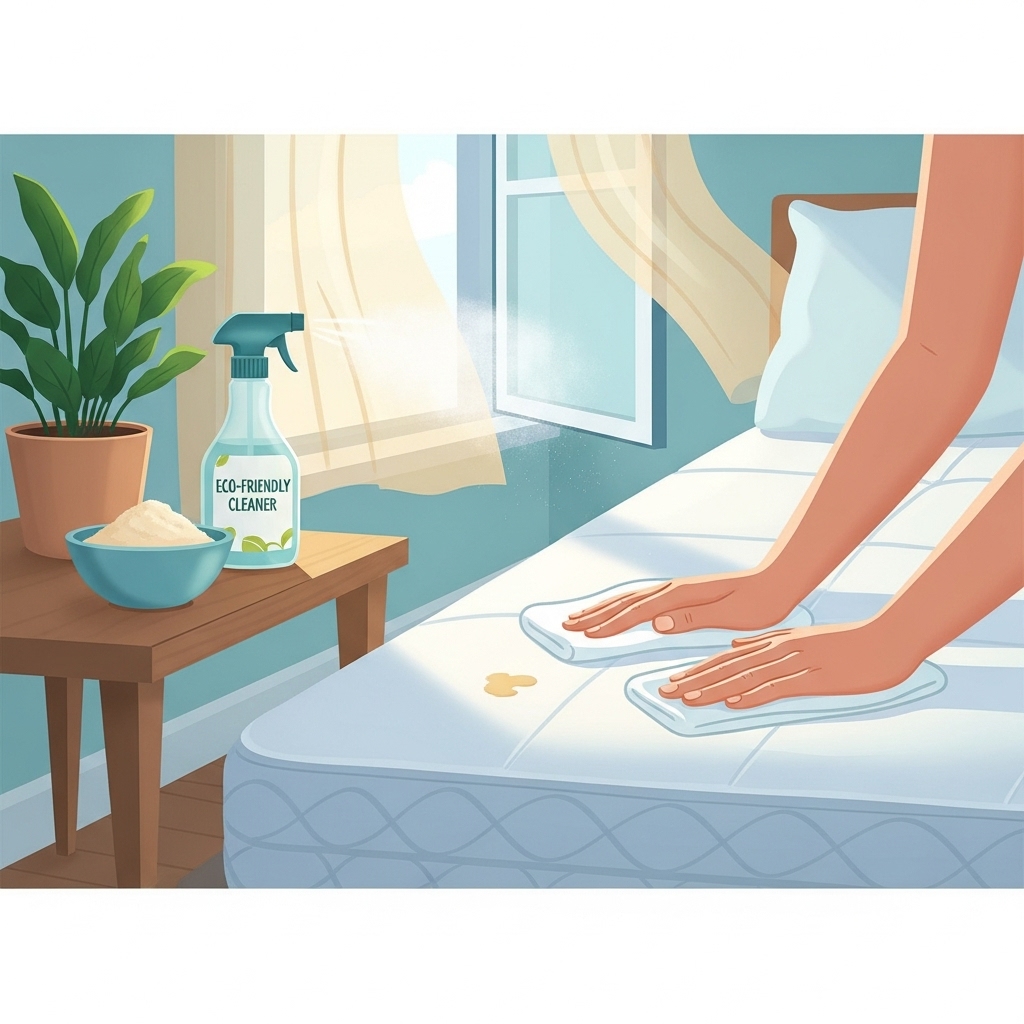
Creating a healthier sleep environment is a priority for many Tampa, Florida households. If you are sensitive to strong fragrances or simply prefer plant-based ingredients, organic mattress care can help you refresh your bed without relying on harsh chemicals. The key is choosing gentle, fabric-safe methods that still remove soils and odors effectively. If you want added support or a periodic deep reset, pairing your routine with professional mattress cleaning can complement your non-toxic approach while respecting your preferences.
This guide explores practical, low-residue strategies for cleaning and deodorizing a mattress with a focus on gentle ingredients, careful moisture control, and Tampa-specific drying considerations. You will find step-by-step workflows, ingredient insights, and tips for maintaining results over time.
Why choose organic or non-toxic mattress care
Organic and low-tox approaches emphasize minimal, safer ingredients and smart technique. Instead of masking odors with strong perfume, the goal is soil removal, balanced pH, and thorough drying. This approach can be especially appealing if you have sensitivities, young children, or pets who spend time on the bed.
Core steps for a gentle, effective clean
- Preparation and airflow: Strip bedding, open space around the bed, and set up fans. In Tampa’s humidity, airflow is essential for comfort and quick drying.
- Dry soil removal: Vacuum slowly with a clean upholstery tool. Removing dust first reduces the amount of product you need later.
- Spot treatment with care: Apply gentle cleaners sparingly to a cloth and dab the stain, allowing dwell time. Avoid over-wetting to protect foams and quilting.
- Minimal rinse: Use a lightly damp cloth with clean water to lift residues, working in small sections.
- Deodorize thoughtfully: Choose low-odor, fabric-safe deodorizers or light baking soda applications followed by thorough vacuuming.
- Drying and reassembly: Run fans and air conditioning for steady airflow. Re-make the bed only when the surface is fully dry.
Ingredient insights for non-toxic cleaning
When selecting products, read labels carefully and prioritize short ingredient lists with clear functions. Gentle surfactants, enzymes designed for fabric care, and mild neutralizing rinses can achieve excellent results without heavy fragrance. Always test on a discreet area first to confirm compatibility with your mattress cover and foams.
Managing moisture the organic way
Organic does not mean soaking. In fact, moisture control is even more important with non-toxic approaches. Use minimal liquid, change cloths often, and encourage airflow. Oversaturation can slow drying and invite musty smells, especially during Tampa’s wet season.
Odor control without synthetic perfumes
Focus on source removal and speedy drying. If you use baking soda, apply lightly and vacuum thoroughly to avoid residue. For stubborn odors, a second round of gentle cleaning followed by extended airflow can help. Keep in mind that fragrance-free does not mean scent-free; some natural ingredients have mild aromas that dissipate as the mattress dries.
Allergy-aware habits that pair well with organic care
- Use breathable encasements for the mattress and pillows.
- Launder bedding regularly using a detergent that aligns with your sensitivities.
- Vacuum the mattress monthly and the bedroom floor frequently to control dust.
- Promote ventilation with fans and air conditioning to manage Tampa humidity.
When professional help fits an organic lifestyle
Professionals who understand low-residue, fabric-safe cleaning can support your preferences with controlled moisture and careful chemistry. Ask about fragrance-light options, allergen reduction steps, and drying strategies suited to humid weather. A periodic deep clean removes settled debris and sets a fresh baseline for your ongoing routine. If you prefer to minimize additives, request clear communication about what is being used and why.
Midyear check-in: keep your plan on track
In Tampa, midyear is a useful time to reassess your routine before peak humidity arrives. Confirm your products still align with your sensitivities, inspect protectors and encasements for wear, and refresh your plan if your household has changed—such as new pets, kids, or seasonal allergies. If you want extra support, professional mattress cleaning can help you reset without straying from a gentle approach.
Spot-specific guidance with gentle options
- Sweat halos: Use a mild enzymatic cleaner designed for fabrics, dab gently, and allow dwell time. Rinse minimally with a damp cloth and increase airflow.
- Pet accidents: Absorb immediately, apply an enzyme-based cleaner, and give it a longer dwell. Follow with careful blotting and extended drying.
- Beverage spills: Treat tannin stains with an appropriate, low-odor formula. Work from the outside in and avoid scrubbing.
- Body oils and lotions: A small amount of a fabric-safe solvent on a cloth can help break oily residues; follow with a mild cleaner and minimal rinse.
Protecting results with daily and weekly habits
- Use a washable protector or encasement and clean it regularly.
- Rotate the mattress if recommended to distribute wear across sleeping zones.
- Keep nightstands and under-bed areas tidy to reduce dust reservoirs.
- Wash throw blankets and decorative pillows that touch the bed on a regular schedule.
FAQ: Organic mattress care in Tampa
Q: Are organic methods as effective as conventional ones? A: When combined with good technique and airflow, gentle products can achieve excellent results for most routine soils and odors.
Q: Will non-toxic cleaning leave strong scents? A: Many options are fragrance-light. Any mild natural aroma typically fades as the mattress dries.
Q: Can I use essential oils? A: Use with caution and in very small amounts, as some oils can irritate or leave residues. Prioritize cleaning and drying over perfumes.
Q: How do I avoid over-wetting? A: Work in small sections with lightly damp cloths, and never pour liquid directly on the mattress. Increase airflow immediately after treatment.
Q: Is sunlight helpful? A: Indirect sunlight and ventilation can assist drying, but avoid prolonged direct exposure that can affect fabrics and foams.
Q: How often should I clean? A: Vacuum monthly, spot treat as needed, and consider a deeper clean seasonally or semiannually depending on use.
Q: Will a professional service use strong chemicals? A: Many providers offer low-residue, fragrance-light options on request. Ask for clear descriptions of products and steps.
Restore your bed the gentle way
With thoughtful techniques and ingredients, you can keep your mattress fresh and comfortable without harsh chemicals. When you want an extra-deep refresh aligned with your preferences, schedule professional mattress cleaning to reinforce your non-toxic routine and enjoy a cleaner, calmer sleep space in Tampa.