
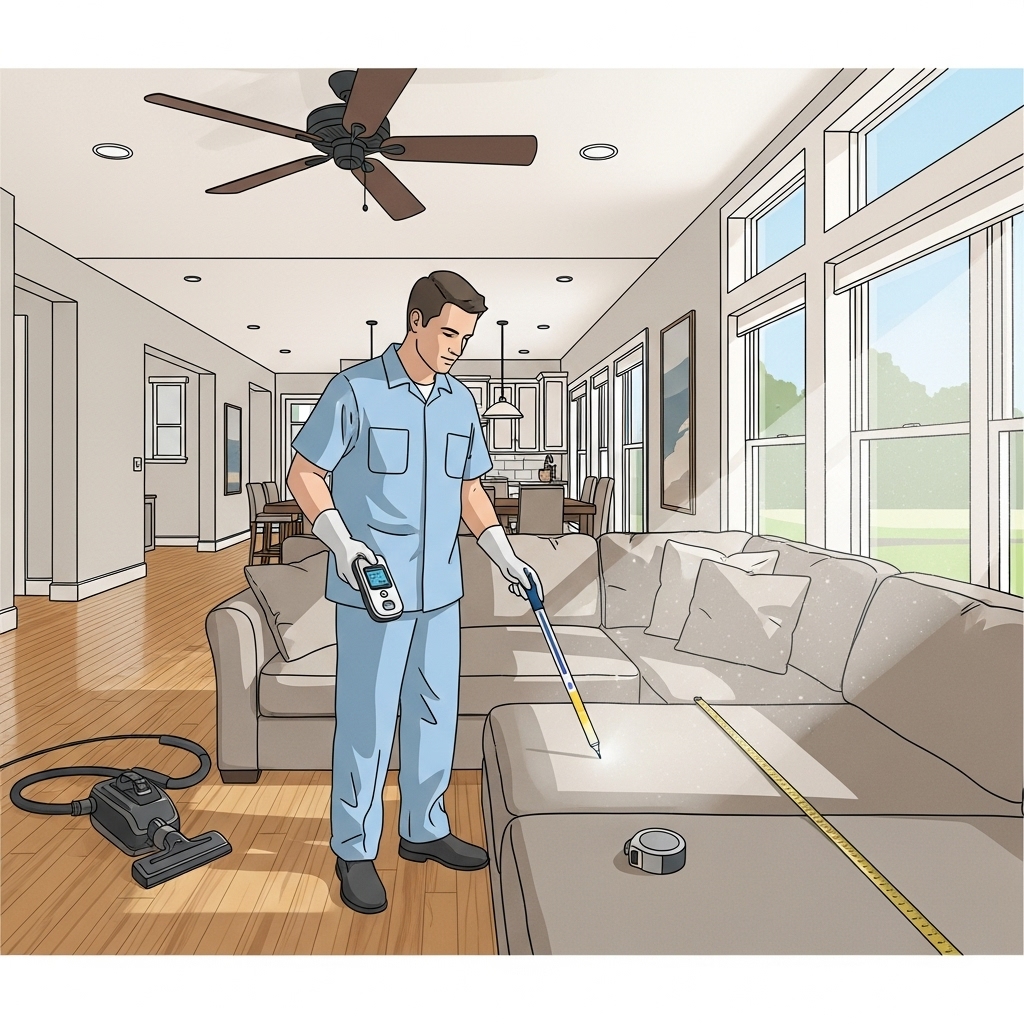
When Tampa homeowners look for upholstery cleaning services, two questions usually come up right away: how providers structure estimates and what the step-by-step process involves. While each home and fabric is unique, reputable companies follow a predictable sequence designed to protect your furniture and deliver consistent results. This guide explains the common elements of an appointment, factors that influence the overall investment, and practical tips for preparation and aftercare. As you evaluate providers, consider those who share their approach openly and demonstrate mastery of thoughtful upholstery cleaning tailored to your fabrics and Tampa’s climate.
Understanding how an estimate is built begins with fabric identification and an inspection that assesses usage patterns, soil level, construction, and any sensitive areas. A sectional in a busy family room, for example, usually needs different attention than a lightly used accent chair. Reputable technicians will test dyes, note prior product use, and check cushion materials. The more precisely they understand your piece, the more accurately they can plan the job and explain potential outcomes.
What influences an estimate for Tampa homes
Several elements shape the total scope of an upholstery appointment. The type of fabric, overall soil load, number of cushions, complexity of design, and presence of tufting or decorative trim affect time and technique. Tampa’s humidity and household factors such as pets or frequent entertaining can also influence how much prep, odor treatment, or drying support is needed. A careful professional will outline these considerations so you can compare proposals based on more than a simple headline figure.
Pre-inspection and testing
Every quality visit begins with a pre-inspection. The technician identifies the fiber type and checks for colorfastness. They ask about spills, pet accidents, or prior spot cleaners. Construction details like down-filled cushions, zippered covers, or delicate piping are noted to prevent distortion. This initial conversation is your chance to share priorities, so the cleaning plan aligns with your expectations and time frame. In Tampa’s climate, this is also when airflow and drying logistics are discussed to keep moisture under control.
Dry soil removal and preparation
Dry soil removal is the unsung hero of good work. Thorough vacuuming with appropriate tools lifts grit that can scratch fibers and dull appearance. Next comes targeted pre-treatment, applied only where needed, to loosen oils and common residues along armrests and headrests. Gentle agitation distributes solutions and begins the cleaning action. With careful prep, the main cleaning step is more efficient and less invasive, which is especially important for delicate or textured textiles.
Main cleaning step
The primary cleaning method is chosen based on fiber and construction. Durable synthetics and many cotton blends respond well to controlled hot water extraction that rinses soils away. Delicate pieces may call for low-moisture or solvent-based techniques that minimize water exposure. The technician should explain the trade-offs clearly: deep rinsing power versus moisture sensitivity, or solvent action versus odor considerations. The goal is always the best balance of soil removal, fiber safety, and even appearance.
Neutralizing rinse and grooming
Balanced chemistry separates exceptional appointments from average ones. A neutralizing or fabric-appropriate rinse helps prevent sticky residues that attract soil. After the main pass, grooming resets the nap so drying is even and the surface looks uniform. Microfiber or velour often benefit from gentle brushing to align fibers and avoid streaking. These finishing steps pay dividends days and weeks later because they slow re-soiling and help the fabric feel crisp.
Drying strategy for humid Tampa days
Drying is not an afterthought in our region. Professionals position air movers for crossflow, suggest running your HVAC fan, and may recommend dehumidification during wetter weather. Even if relatively little moisture is used, directed airflow shortens dry times and prevents wicking. You should leave with a clear plan for keeping the room ventilated and for limiting use until everything is fully dry to the touch.
Communication and post-inspection
Before technicians pack up, they review results, point out improvements, and address any remaining stains or wear that could not be fully corrected without risk. They explain what to expect as the fabric dries, how to groom it gently if needed, and what steps to take for future spills. A quick post-inspection with you confirms that the piece looks uniform in normal lighting and that cushions sit properly.
How reputable providers frame estimates
Quality companies focus on clarity. They describe what is included, how they handle specialty fabrics, and when additional time may be needed for odor or heavy usage areas. Rather than listing a single figure in isolation, they connect the scope to the work that supports fabric safety and lasting results. This transparency helps you compare proposals on the merits: the depth of inspection, the thoroughness of rinse, and the care given to drying and grooming.
Preparing your home for an efficient visit
Small steps make a big difference. Clear pathways, remove fragile items, and share parking details. If possible, tidy around the pieces to minimize dust migration while equipment is moved. Plan a spot for air movers and discuss how pets or children will be managed during and shortly after the appointment. Provide details about past spills or products applied so the technician can anticipate how the fabric will respond.
What not to do before the appointment
Avoid applying heavy fragrances, oils, or homemade mixtures to mask odors or spots. These can complicate cleaning, encourage wicking, or interfere with testing. Skip aggressive scrubbing; it can roughen fibers and set stains. If you must address a fresh spill, blot gently with a clean, absorbent cloth and avoid over-wetting. The aim is to keep the issue localized until a professional can treat it with the right chemistry.
As you compare options in the middle of your research, look for teams that articulate a measured approach, especially around chemistry and moisture control. Tampa’s humidity makes airflow and dry times more than a detail; they are essential to a successful outcome. A provider who walks you through fabric identification, testing, rinsing, and grooming, and who can speak plainly about their approach to upholstery cleaning, is likely to deliver a smoother experience and more durable results.
Aftercare: keeping your upholstery looking great longer
Once your furniture is clean and dry, periodic vacuuming with an upholstery tool goes a long way. Rotate cushions when possible, and avoid sitting in the exact same spot every day. Address new spills promptly with gentle blotting. In Tampa, consider airflow: run your HVAC fan or open interior doors to keep air moving, especially during rainy stretches. Balanced humidity helps fabrics retain their shape and feel more comfortable.
Frequently asked questions
Q: What determines how long my appointment will take? A: The fabric type, soil level, number of pieces, and the need for testing or odor treatment all play a role. The most accurate timeline is given after a technician sees your furniture and assesses airflow and access in your home.
Q: Is hot water extraction always used? A: No. Many durable textiles respond beautifully to controlled extraction, but delicate fibers and certain construction styles benefit from low-moisture or solvent-based methods. A professional selects the technique that balances thorough cleaning with fiber safety.
Q: How soon can I sit on my furniture again? A: Wait until the fabric is fully dry to the touch. Your technician can estimate a range and advise how to use fans or HVAC airflow to shorten the wait. Even pressure on damp cushions can leave impressions or encourage uneven drying.
Q: Why does pre-vacuuming matter so much? A: Dry soil acts like very fine sandpaper. Removing it before adding moisture reduces abrasion, speeds cleaning, and leaves the fabric feeling softer. Skipping this step leads to mediocre results and faster re-soiling.
Q: Can you guarantee all stains will come out? A: Some stains are permanent, especially if they involve dyes or if previous spot products have set them. Reputable technicians explain realistic outcomes and stop short of risky steps that could damage the fabric.
Q: How often should I schedule service? A: It depends on household size, pets, and usage. Heavily used family room pieces may need attention more often than formal seating. Your provider can help set a maintenance rhythm that preserves appearance and fabric integrity.
Q: What if my cushions have removable covers? A: Not all covers are designed to be laundered separately. Professional cleaning in place preserves shape and color uniformity. If removal is considered, it should be discussed during inspection to avoid shrinkage or misalignment.
Q: Do I need to be home during the service? A: It’s best to be available for the pre-inspection and post-inspection so questions can be addressed and results reviewed together. This also ensures that airflow and aftercare instructions are understood.
Ready for a smoother upholstery experience in Tampa?
Choose a team that invests in inspection, testing, and clear communication from start to finish. When a provider explains each step and tailors the method to your fabrics and home environment, you get better outcomes and a more pleasant visit. Take the next step with proven, thoughtful upholstery cleaning and enjoy fresher, more comfortable seating every day.