Tampa’s sunny skies, coastal breezes, and afternoon showers make for a beautiful backdrop to everyday life, but those same conditions create a unique set of considerations for keeping fireplaces and venting systems safe and efficient. Whether you light a wood fire on a cool winter evening, use a gas insert for ambiance, or rely on a pellet stove for occasional heat, understanding the full picture of what goes into a thorough service will help you plan, prioritize, and protect your home. This guide explains the key variables that influence the overall investment of professional service, what homeowners can expect during an appointment, and how to make smart choices that support a safer, cleaner, longer‑lasting system—without focusing on numbers. If you’re just getting started and want a quick path to a clean, safe chimney, professional chimney cleaning tailored to Tampa’s climate is the most reliable foundation.
When homeowners ask what affects the total scope of a fireplace and flue service, the short answer is “it depends on your system, its condition, and the work required to return it to peak safety.” But that answer deserves detail. Tampa’s climate means salt‑tinged air, frequent humidity, and sudden downpours are part of the environment. Over time, those elements mix with combustion byproducts, bird activity, and ordinary wear, shaping how involved your appointment becomes. To help you plan with confidence, the sections below break down the factors that typically influence the breadth of work for homes in Tampa and nearby Gulf Coast communities.
Understanding What You’re Paying For Without Focusing on Numbers
Even though this is a guide about the financial side of upkeep, the real story is about safety, performance, and prevention. A well‑maintained chimney dramatically reduces the risk of smoke intrusion, improves draft for more complete combustion, and minimizes the chance that a hidden defect will grow into a larger issue. When you think about the overall investment, think of it as a safety service for the air you breathe indoors, a performance boost for your fireplace, and a way to protect the structural elements around the chimney from moisture.
Because each home is different, two appointments on the same street can involve very different scopes. One system might need a straightforward cleaning of the flue, smoke chamber, and firebox, with a standard visual check. Another may benefit from camera documentation, smoke shelf debris removal, bird guard assessment, and waterproofing conversations because of a history of wind‑driven rain. The core takeaway: the most important elements shaping your total outlay are the level of buildup, accessibility, appliance type, and any additional diagnostic steps required to verify safety.
Key Factors That Shape the Scope of Service
In Tampa, the following elements commonly determine how involved an appointment becomes:
- Combustion type: Wood‑burning fireplaces create creosote and soot that accumulate at varying rates depending on the wood species, burn habits, and airflow. Gas units create less soot but still accumulate debris, insects, and byproducts that affect draft and safety devices.
- Frequency of use: Occasional winter fires typically mean lighter accumulation, while frequent use or inefficient burn habits accelerate buildup.
- Buildup level and type: Fluffy soot is easier to remove than dense, glazed creosote, which requires specialized tools and more time to address thoroughly and safely.
- Height and access: Multi‑story homes, steep roofs, heavy landscaping, or complex rooflines add time for safety setup and equipment staging.
- Chimney material and liner: Masonry flues and stainless‑steel liners clean differently. Tile liners with offsets can require more careful brushwork and visual verification.
- Moisture exposure: Wind‑driven rain, tropical storms, and humidity can carry mineral‑laden moisture into the system, encouraging odor and corrosion if not managed.
- Wildlife and debris: Nests, leaves, and palm fronds can obstruct airflow and require extra removal and screening discussions.
- Inspection depth: Basic visual checks confirm obvious conditions, while video scans document interior surfaces and hidden concerns, supporting better long‑term decisions.
These variables don’t just influence how long a visit takes—they determine what tools are required, how much cleaning is needed to restore proper draft, and what education a technician will provide about prevention and maintenance going forward.
Tampa Climate Considerations
Tampa’s subtropical weather introduces a trio of issues: humidity, salt in the air near coastal corridors, and seasonal storms. High humidity can carry odors into living spaces if creosote is left in the flue between seasons. Salt air encourages corrosion in metal components like caps and damper assemblies, especially if they were not originally designed for a marine‑influenced environment. Storms push water into places it does not belong, and when that moisture meets soot deposits, the result can be a stubborn smell that lingers even on dry days. A thorough service addresses the residue that holds odors and identifies spots where water entry can be mitigated with better caps, flashing assessments, or masonry attention.
Another Tampa‑specific factor is vegetative debris. Live oaks, palms, and pines shed material year‑round. When leaves and fronds collect near the crown or under a cap, airflow slows and can even draw moisture into the flue. Periodic cleaning keeps these obstructions from compounding into larger problems.
What a Thorough Appointment Includes
While every company has its own process, homeowners can expect a structured sequence designed to protect your home and get the system truly clean:
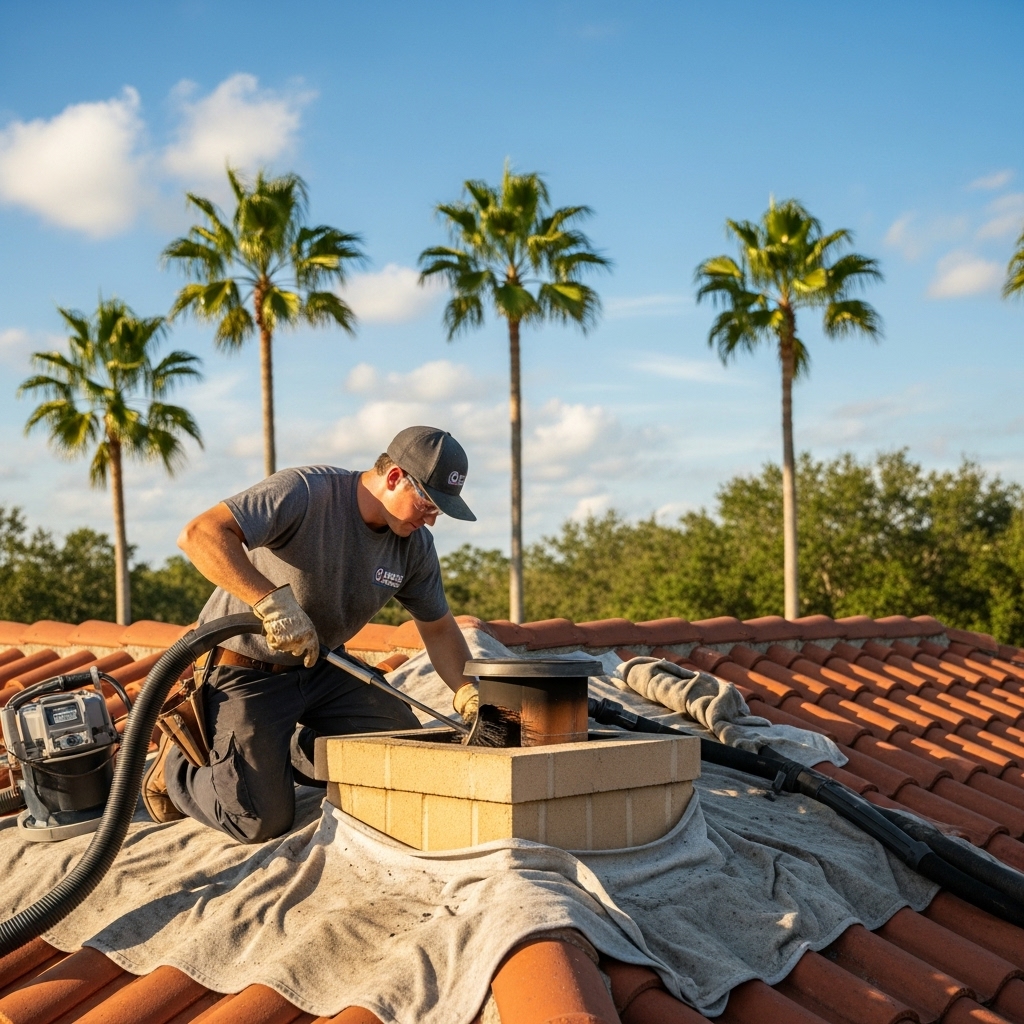
- Preparation: Drop cloths and containment to protect flooring and furnishings, plus a plan for safe roof access if required.
- Dry cleaning of the flue: Appropriate brushes and rods matched to your liner type remove soot and creosote from top to bottom or bottom to top, depending on the setup.
- Smoke chamber and smoke shelf cleaning: This area can hold debris and loose soot that affect draft and odor; careful removal helps the system breathe.
- Firebox attention: Loose material and ash are cleared, and visible components are checked for cracks or wear.
- Cap, crown, and exterior review: On accessible systems, these features are assessed for rust, gaps, and water pathways.
- Functional checks: Dampers are exercised, gaskets reviewed (where applicable), and basic combustion air considerations discussed.
- Documentation: Photos or video can illustrate interior conditions and support smart maintenance scheduling.
By the end, you should know what was cleaned, what was observed, and what steps—if any—will make the system safer or more durable in Tampa’s climate.
Planning the Timing
Because cool snaps in Tampa are unpredictable, the best time to plan your visit is before you expect to light the first fire of the season. Late summer and early fall leave room on the calendar, and a post‑season spring appointment removes residue before humidity rises. If holidays or visiting guests mean more frequent use, build a reminder to schedule ahead.
Remember, good timing isn’t only about use; it’s about moisture and odor control. Clean surfaces hold less smell. Removing soot before the wettest months helps your living room smell like a living room, not last winter’s fires.
How Often Should You Schedule?
For most Tampa households, an annual appointment is the baseline. If you burn more often, use softer woods, or notice draft changes, plan for more frequent visits. Gas units should still be inspected and cleaned periodically to clear spider webs, insects, and any residue that can compromise safety devices or block vents. Pellet appliances benefit from regular ash removal and vent care to keep fans and sensors happy.
DIY vs. Professional Service
DIY maintenance has its place—storing seasoned wood, keeping the firebox tidy between burns, and checking that a cap is still in place after a storm. But chimney systems hide their most important surfaces inside walls and above the roofline. Specialized brushes, vacuums with adequate filtration, and the experience to recognize early warning signs are what separate a quick tidy‑up from a truly protective service. A professional’s process integrates cleaning with inspection so you get both safety and performance assurance rather than a surface‑level result.
Mid‑Season Reality Check
If you’re halfway through a cooler period and noticing more smoke when you start a fire, persistent odor on damp days, or fine black dust near the hearth, it could be time to refresh your schedule. Mid‑season appointments are common in climates with inconsistent burning patterns. When usage spikes around gatherings or holidays, soot accumulation can jump unexpectedly. If in doubt, schedule a mid‑cycle visit and ask for a quick review of burn habits and ventilation. When you do, consider aligning it with professional chimney cleaning so you can return to clean‑burning fires with confidence.
What to Look For in a Professional
In Tampa, look for technicians who understand both combustion and coastal weather. Good signs include clear photo documentation, a thoughtful explanation of findings, and an emphasis on controlling moisture intrusion from wind‑driven rain. Ask how they protect your home during the process, what parts of the system they examine, and how they handle difficult‑to‑reach areas. Experience with local roof styles—barrel tile, metal panels, and architectural shingles—also matters because access safety affects the quality of the work.
Common Questions Homeowners Ask Before Booking
- How long does a standard appointment take? The answer varies with buildup, access, and whether additional diagnostics are included. Many visits fit comfortably within a single morning or afternoon, but complex systems or heavy accumulation require more time to do the job right.
- Will there be a mess? A responsible crew uses containment and high‑filtration vacuums to keep debris out of your living spaces. Ask about their protection steps before work begins.
- What if a problem is found? You’ll want documentation and a clear explanation, followed by recommendations prioritized for safety and longevity.
- Do gas fireplaces need the same attention? Gas units still need periodic cleaning and inspection to keep vents, sensors, and glass clear of residue and to verify safe operation.
- What about second homes that sit empty? Standing humidity and summer storms can carry odors into unoccupied houses. A pre‑season visit is wise even if you rarely burn.
Moisture Management and Odor Control
In a humid city, moisture management is nearly as important as soot removal. A well‑fitted cap with side screening keeps critters out and discourages leaf accumulation. A healthy crown with no cracks helps shed water. Proper flashing and counter‑flashing keep rain from slipping behind masonry. During your appointment, ask for a moisture‑minded review: where is water likely to enter, how can the path be interrupted, and what steps will lower the chance of odor migration during sticky weather.
Odors also connect to what you burn. Seasoned hardwoods produce cleaner fires with less residue. Avoid burning trash, glossy paper, or treated wood, which can add harsh compounds to your flue. Letting a fire establish a hot bed of coals before closing glass doors reduces smoke spillage during startup.
Improving Draft and Combustion
Draft is the engine that pulls smoke up and out. It depends on temperature differences, flue height, wind patterns around your roofline, and the cleanliness of interior surfaces. If your fireplace struggles to establish draft, ask about best practices for opening a damper fully, pre‑warming the flue on cold mornings, and ensuring the room has adequate air supply. Clean, smooth flue walls and a well‑shaped smoke chamber make it easier for hot gases to rise.
Why Documentation Matters
Good documentation does more than prove a visit occurred. It helps you see trends across seasons: where soot accumulates fastest, where moisture stains return after storms, and how small changes—like adding a new cap—affect performance. Ask for photos or a brief video when possible. Over time, these records become a maintenance history that helps you make smart choices without guesswork.
A Simple Planning Checklist
- Decide whether you want a pre‑season or post‑season appointment, and mark your calendar.
- Gather notes about recent performance—smoke, odor, or difficulty starting fires.
- Clear a path to the fireplace and move fragile items aside.
- Ask about roof access and whether vehicles need driveway space for equipment.
- Discuss moisture management and caps suited to Tampa’s storms.
- Request photos to document interior surfaces and exterior components.
- Set a reminder for your next seasonal review.
FAQs
Q: How can I tell if my system needs attention even if I don’t burn often?
A: Odor on humid days, a draft that feels weak, or visible soot at the damper are clues. A yearly check still makes sense in Tampa because wind‑driven rain and debris can affect performance even when the fireplace is idle.
Q: Is a video scan always necessary?
A: Not always, but it’s valuable when a technician suspects hidden issues or when a baseline is needed for peace of mind. It’s also useful after severe storms.
Q: What about homes near the bay?
A: Salt air can accelerate corrosion of caps and metal parts. Regular cleaning and periodic replacement of exposed components keep the system resilient.
Q: Can I handle chimney cleaning myself?
A: Homeowners can do basic tidying and watch for obvious issues, but interior flue surfaces and roof access are best left to trained professionals with the right tools and safety practices.
Q: Will a clean chimney really reduce odor?
A: Yes. Soot holds smells, and moisture carries those odors into living spaces. Removing residue and managing water entry are the two biggest odor‑control steps in Tampa.
Smart Habits That Pay Off Over Time
- Burn seasoned hardwood and avoid smoldering fires.
- Keep the cap intact and clear of leaves after storms.
- Schedule service before the first fire of the season.
- Ask for documentation and keep it handy for future reference.
- Address water pathways early to prevent odors and material deterioration.
When you look at the big picture, the real value of a well‑planned appointment is confidence. You’ll know your system is clean, safe, and ready for Tampa’s shifting weather patterns. You’ll have clear next steps if anything needs attention. And you’ll enjoy your fireplace without wondering what’s happening out of sight.
Ready to Enjoy Safer Fires in Tampa?
If you want a seasoned local perspective and a thorough, respectful process that protects your home, schedule professional support designed for Gulf Coast conditions. Book your next chimney cleaning and enjoy the comfort of a clean, odor‑resistant, draft‑friendly system when cool weather arrives.