
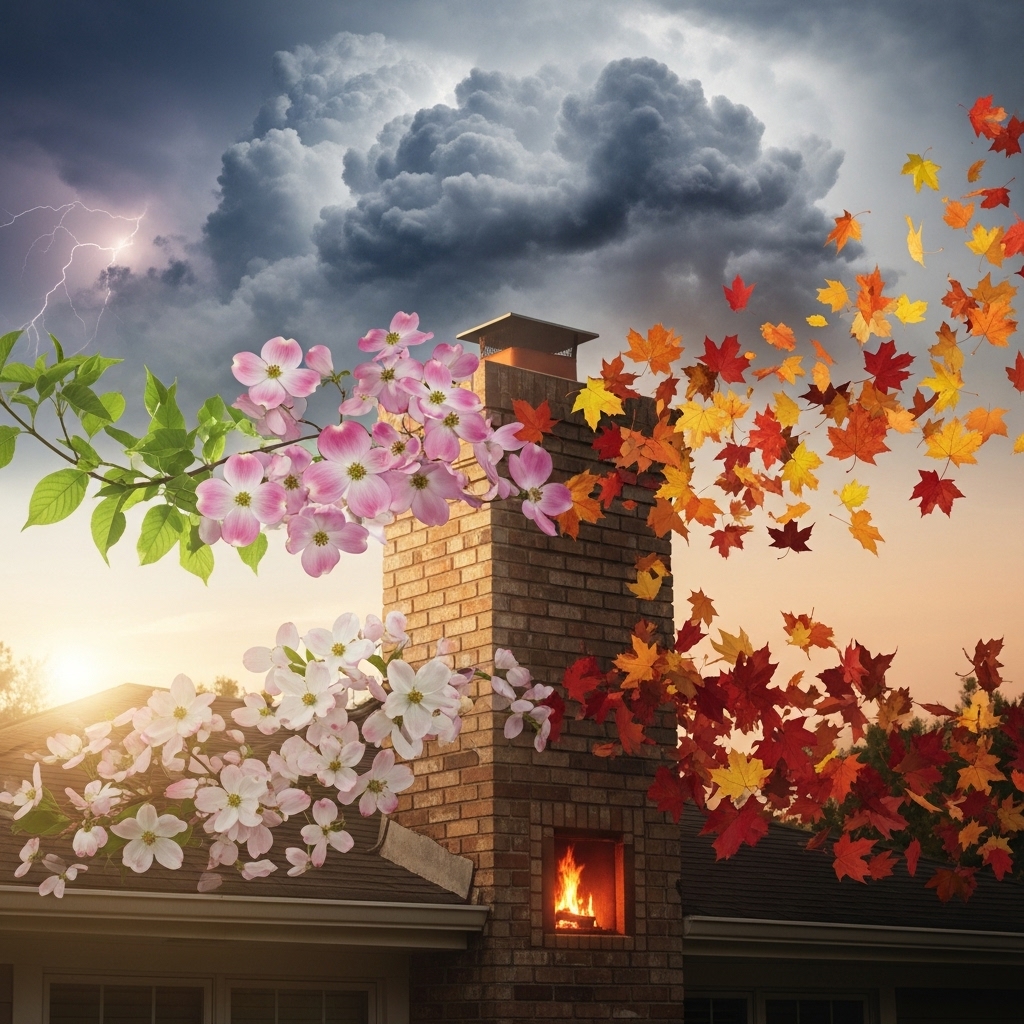
In Tampa, winter can be brief, but that doesn’t mean fireplaces don’t need attention. Humid summers, salt‑tinged breezes, and sudden storms play as big a role in chimney care as chilly evenings. The best time to schedule service is less about a date on the calendar and more about staying a step ahead of weather patterns and usage. This seasonal guide breaks down when to book and why, so you can enjoy safe, clean burns when the temperature dips—and a fresher home when it doesn’t. If you’re just getting started, a professional baseline through comprehensive chimney cleaning makes seasonal planning far easier.
Spring: Clear the Slate Before Humidity Rises
After your last fire of the season, soot and ash remain in the flue and firebox. As Tampa’s humidity ramps up, those residues can release stubborn odors into living spaces. A post‑season appointment clears deposits before moisture takes hold. It’s also an ideal time to address minor moisture pathways—like a small crown crack or a poorly fitting cap—before daily summer thunderstorms arrive. With the flue clean, the interior surfaces are less likely to absorb and carry smells through long, steamy months.
Spring also tends to offer calmer scheduling. You’ll have more flexibility to choose dates and times that fit your routine. If you plan outdoor projects, coordinate so roof access is clear and safe. On homes with tile or metal roofs, spring’s milder conditions make access more straightforward.
Summer: Storm‑Season Vigilance
Summer in Tampa means vivid skies, pop‑up storms, and brisk winds that can shift caps or deposit debris near the crown. Even if you rarely burn in summer, the chimney still lives outdoors and reacts to weather. A quick visual check from the ground after significant wind helps spot issues early. If you notice a tilted cap, displaced screen, or new water stains on nearby ceilings, schedule a professional review. Addressing small problems now curbs odor and draft issues in the fall.
Summer is also a good time to discuss moisture mitigation with your technician. Depending on your home’s exposure, they might recommend cap styles that better shed wind‑driven rain, attention to flashing, or minor masonry improvements. A small tweak during summer can prevent a musty smell on rainy days later in the year.
Late Summer to Early Fall: Prime Time for Pre‑Season Service
As evenings begin to cool, calendars fill quickly. Booking in late summer or early fall ensures your system is clean before the first fire, and you’ll have time to address any findings without rushing. Think of this window as your pre‑season tune‑up. With Tampa’s unpredictable cool snaps, it’s wise to be ready before the forecast changes.
During pre‑season service, technicians remove soot, tidy the smoke chamber and shelf, and check exterior components. They also confirm that dampers move freely and that caps and crowns are doing their part to keep water out. You’ll receive documentation of the interior surfaces, which becomes a helpful baseline for monitoring performance across seasons.
Mid‑Season: Checkpoints for Active Households
For families that enjoy more frequent fires around holidays and gatherings, a mid‑season checkpoint keeps performance high. If you notice smoke spill on startup, persistent odor on humid days, or fine black dust near the hearth, call for a refresh. Tampa’s weather can change quickly, and increased use can build residue faster than expected. When in doubt, opt for a professional review—especially if storms have been frequent and gusty.
Winter: Use Wisely, Monitor Closely
When cool evenings arrive, burn seasoned hardwood, open the damper fully, and build small, hot fires to establish strong draft. Keep combustible decor away from the hearth and confirm smoke and carbon monoxide detectors are working. If a chilly front brings strong winds, watch for unusual sounds at the cap or shifting smoke patterns. These clues point to draft disturbances that a technician can solve with the right adjustments.
Signs You Shouldn’t Wait
- Smoky odors that intensify with rain or humidity.
- Animals, chirping, or nesting material falling into the firebox.
- Glass that soots over quickly, suggesting poor combustion.
- New water stains near the chimney chase or masonry.
- Visible debris on top of the firebox or around the damper.
How Tampa’s Climate Shapes the Schedule
Humidity and storm‑driven rain create conditions for odor, corrosion, and debris accumulation. Even gas fireplaces benefit from periodic attention to keep vents clear and components working properly. Salt air near the bay can accelerate rust on caps and chase covers. The best schedule is proactive: clean before heavy humidity, check after major wind events, and review mid‑season if usage spikes.
What to Expect During a Thorough Appointment
A comprehensive visit combines cleaning, inspection, and homeowner education. The team protects your home, brushes and vacuums interior flue surfaces, addresses the smoke chamber and shelf, and tidies the firebox. They check caps, crowns, and flashing where accessible and provide photos so you can see what they saw. You’ll leave with clear next steps, if any, and confidence that the system is set for the season.
Mid‑Guide Reminder: Align Service with Your Lifestyle
If you love hosting gatherings or enjoy frequent fires when a cool front rolls in, plan ahead. Align your calendar with professional chimney cleaning before the first fire and consider a mid‑season check if your usage increases. A clean, well‑documented system makes every fire easier to start and more enjoyable.
Tips for Cleaner Burning Between Visits
- Store firewood off the ground with good airflow; cover the top but leave the sides open.
- Prime the flue on cool mornings to reverse cold downdrafts.
- Add wood gradually to maintain hot, efficient flames.
- Keep the hearth area uncluttered and use a screen or doors to contain embers.
- Let ashes cool fully before disposal in a metal container outdoors.
Frequently Asked Questions
Q: What’s the single best month to schedule in Tampa?
A: There isn’t a one‑size‑fits‑all month. Aim for post‑season in spring or pre‑season in late summer/early fall. Schedule earlier if you notice odor or after significant storms.
Q: Do gas fireplaces need seasonal attention?
A: Yes. Even with cleaner combustion, debris and insects can affect sensors and venting. Periodic cleaning keeps operation safe and reliable.
Q: I barely use my fireplace—do I still need service?
A: In a humid, storm‑prone climate, debris and moisture can create odors and draft issues even in idle systems. A yearly review is still smart.
Q: How quickly can odors appear after a rainy week?
A: Very quickly. Moisture activates compounds in soot, and humid air carries them indoors. Removing residue and blocking water pathways are the best defenses.
Q: Does roof type affect scheduling?
A: It can. Tile and metal roofs require careful access. Mild weather windows and good daylight help crews work safely and effectively.
Building a Year‑Round Plan
- Spring: Post‑season cleaning to prevent summer odors.
- Summer: Storm checks and moisture mitigation.
- Late Summer/Early Fall: Pre‑season cleaning before the first fire.
- Winter: Smart burning habits and mid‑season check if usage spikes.
Small Steps, Big Comfort
With a little planning, your fireplace can be a reliable source of comfort without surprise odors or performance dips. Clean before humidity rises, verify exterior components after storms, and burn cleanly when the temperature drops. These small steps pay off with safer, smoother fires and a home that smells fresh year‑round.
Set Your Season Up for Success
If you want certainty that your system is clean, documented, and ready for Tampa’s changing weather, book a thorough chimney cleaning. You’ll head into the next cool front with confidence, clear air, and a fireplace that performs when you need it most.