
Introduction: Advanced Mattress Care for Tampa Businesses
Hotels, vacation rentals, healthcare facilities, and student housing in Tampa demand a higher standard of cleanliness. High turnover, Florida humidity, and brand reputation make a structured, advanced mattress cleaning process essential. This guide details methods suitable for operations that need predictable results, documentation, and quick turnaround. It covers protocols, materials compatibility, moisture management, odor control, and staff training. For periodic deep sanitation and surge support during peak seasons, partner with professionals who deliver commercial-grade mattress cleaning aligned with your operational goals.
In a hospitality or healthcare setting, cleaning must be consistent and measurable. It must also respect diverse mattress constructions and comply with safety guidelines. The procedures below focus on low-moisture methods and efficient drying tailored to Tampa’s climate, helping minimize downtime and protect guest satisfaction.
Program Design and SOP Development
Start by auditing mattress inventory by size, age, and construction. Document manufacturer care recommendations and warranty considerations. Build Standard Operating Procedures that specify tools, dwell times, chemical dilutions, and drying targets. Define roles and handoffs between housekeeping and maintenance. Incorporate quality control checklists and escalation paths for stains or odors that do not respond to first-line treatments.
Supply Chain and Product Selection
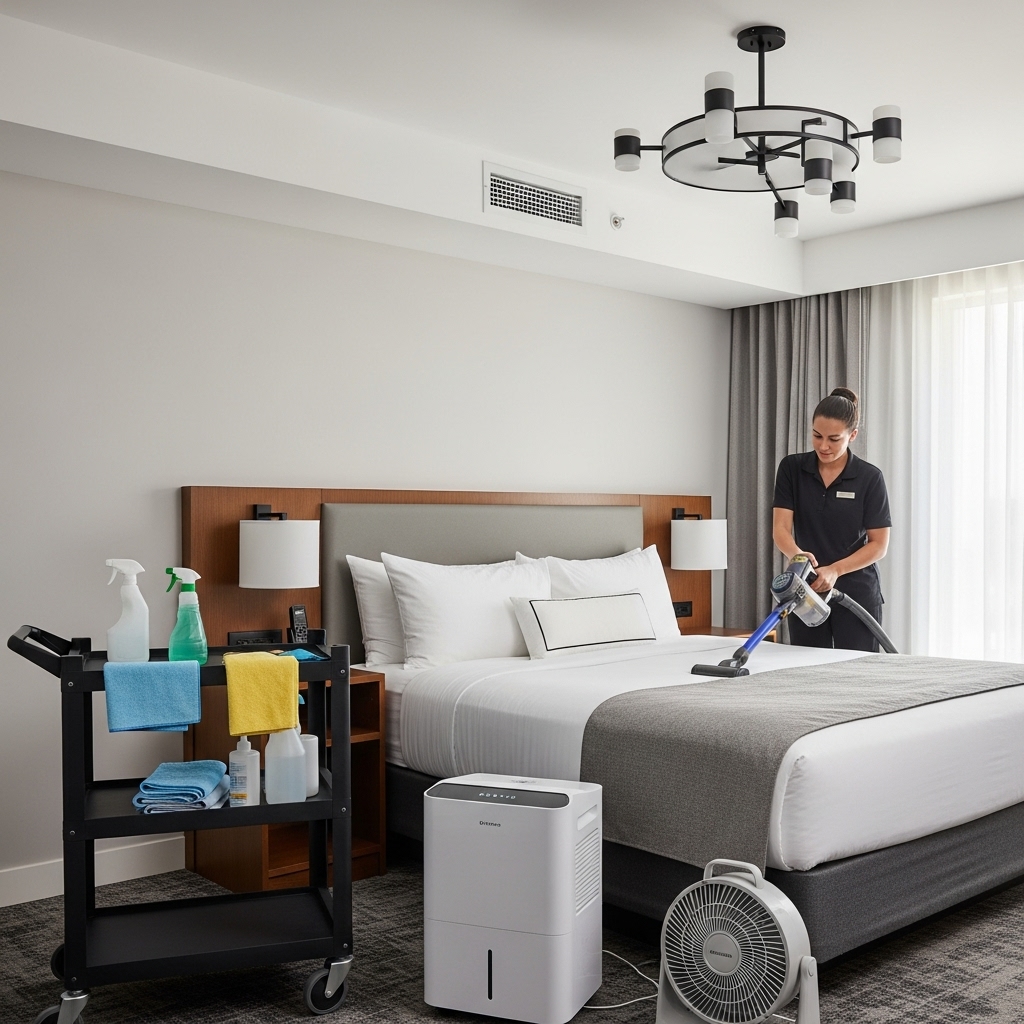
Choose products with clear labeling for fabric safety and low-residue performance. Stock enzyme cleaners for organic soils, mild detergents for general cleaning, and oxygen-based options for discoloration. Standardize microfiber cloth colors by task to avoid cross-contamination. Maintain a fleet of vacuums with upholstery attachments and high-quality filtration. Add portable fans and dehumidifiers sized to room volume for consistent drying even during humid spells.
Room Preparation and Containment
Set up ventilation by running the HVAC, turning on ceiling fans, and positioning portable fans to move air across the mattress. Keep doors open for cross-ventilation unless isolation is required. Use clean tarps or mats to stage laundered bedding and keep soiled items segregated. In multiroom operations, consider a cart that carries labeled chemicals, spare filters, and fresh microfiber cloths to standardize each step.
Dry Soil Removal and Inspection
Vacuum with slow, overlapping passes on the top and sides of the mattress. Detail seams, tufts, and piping, where dry particulates and allergens accumulate. Inspect under strong lighting for stains, sweat rings, and signs of moisture intrusion. If a moisture meter is available, spot-check suspect areas to guide cleaning intensity and drying strategy.
Targeted Pre-Treatment by Category
Apply enzyme solutions for organic soils with a cloth, not sprayed directly on the fabric, to limit moisture. For general yellowing and body oils, use a mild detergent solution in light passes. For oxidation discoloration, deploy oxygen-based products carefully and verify fabric compatibility. Keep track of dwell times and agitation methods in your SOP to reduce variability across staff shifts and properties.
Low-Moisture Surface Cleaning
Wipe the surface with a lightly dampened cloth loaded with the appropriate cleaner, followed immediately by a dry cloth. Work in small sections to control wetness. This approach limits penetration into the core and speeds drying. Replace cloths frequently to avoid re-depositing soils. Train staff to recognize when to stop adding liquid and switch to airflow.
Odor Neutralization Strategy
Tampa’s humidity amplifies odor challenges. After cleaning, incorporate a standardized deodorizing step: lightly dab a diluted vinegar solution with a cloth where odors are common, followed by blotting and a thin baking soda application if policy allows. Allow dwell time and vacuum thoroughly. Ensure HVAC and portable fans run throughout to keep the environment dry and comfortable.
Mid-Process Quality Gate and Scaling
Introduce a mid-process checkpoint. Supervisors should verify that surfaces are only lightly damp and that airflow is adequate. If the cloth pressed to the mattress comes away wet, pause chemical steps and increase drying measures. For operations with dozens of mattresses, stagger tasks so that while one room dries under fans, staff proceeds to the next room’s dry soil removal. Consider supplementing with professional mattress cleaning during peak occupancy or after large events to maintain standards without overloading internal teams.
Drying and Turnaround Targets
Set room-level drying targets based on HVAC capacity and the number of fans. Emphasize airflow across the mattress, not high heat in one spot, to protect materials. Confirm dryness with a pressed cloth test before reassembly. Rotate or flip mattresses according to manufacturer guidance to distribute wear and improve long-term performance. Document drying times for trend analysis and staffing models.
Reassembly and Protection
Install breathable, waterproof protectors that are fully dry and recently laundered. Inspect toppers and pillows and replace as needed. Train staff to recognize protectors that have lost their performance and swap them proactively. Encourage a no-food policy where feasible to reduce accident frequency and cleaning demand.
Team Training and Safety
Provide hands-on training for stain identification, correct use of chemicals, and moisture control. Emphasize body mechanics to prevent strain during vacuuming and rotation. Require gloves and clear labeling to prevent chemical mix-ups. Conduct periodic refreshers and audits, sharing findings across teams to keep quality consistent across properties.
Data, Documentation, and Auditing
Use digital logs to capture date, room number, stain categories, products used, and drying verification. Periodically review data to identify rooms that require more frequent attention. Trend analysis can reveal HVAC or humidity issues that correlate with odor recurrence, guiding facility upgrades or schedule changes.
Materials Compatibility and Risk Management
Catalog mattress types by property: memory foam, latex, hybrid, or innerspring. Link each type to approved products and moisture thresholds in your SOP. When in doubt, err on the side of less liquid and more airflow. For warranty-sensitive items, keep manufacturer guidelines accessible to staff on mobile devices for quick reference during service.
Handling Special Incidents
After illness, pet accidents, or food spills, prioritize enzyme treatment and blotting. Extend dwell time when appropriate, followed by careful surface cleaning and robust airflow. For severe incidents, remove the room from service until a supervisor confirms cleanliness and dryness. When odors persist after standard procedures, escalate to advanced methods or professional remediation to safeguard guest satisfaction.
Energy and Environmental Considerations
Balance effective cleaning with responsible resource use. Choose concentrated products that mix with water to reduce packaging waste. Optimize fan placement to achieve faster drying with fewer units. Maintain HVAC filters to improve dehumidification efficiency. Training staff to avoid overuse of chemicals and water reduces both cost and environmental impact while improving results.
Guest Experience and Brand Standards
Cleanliness is a brand promise. Ensure mattresses smell fresh, feel dry, and appear stain-free. Coordinate mattress care with linen quality, room fragrance policies, and overall housekeeping timing. A consistent standard across properties builds guest trust and improves reviews, which are vital in competitive Tampa markets with seasonal demand fluctuations.
FAQs for Operations
Q: How often should businesses deep clean mattresses? A: Establish a quarterly deep-clean cycle, with monthly vacuuming and spot treatments between guest stays. Increase frequency during peak humidity or high occupancy.
Q: What is the best way to ensure quick turnaround? A: Use low-moisture methods, stagger rooms for drying, and verify airflow. Document drying times and adjust staffing as needed.
Q: How do we prevent recurring odors? A: Control room humidity, ensure protectors are fully dry, and inspect surrounding soft surfaces that may harbor moisture.
Q: Which mattresses require special caution? A: Memory foam and hybrids; keep liquids minimal and avoid concentrated heat during drying.
Q: What should trigger escalation to professionals? A: Persistent odors, recurring stains after drying, or rooms that miss turnaround targets due to moisture should prompt an escalation.
Q: How can we standardize results across multiple properties? A: Implement clear SOPs, train staff, audit regularly, and maintain a centralized product list with approved dilutions and methods.
Strengthen Your Operation with Expert Support
For measurable results, faster turnarounds, and scalable coverage during busy seasons, partner with commercial specialists in mattress cleaning. Integrating expert services with your SOPs protects your brand, improves guest satisfaction, and keeps Tampa properties operating at their best—day in and day out.