
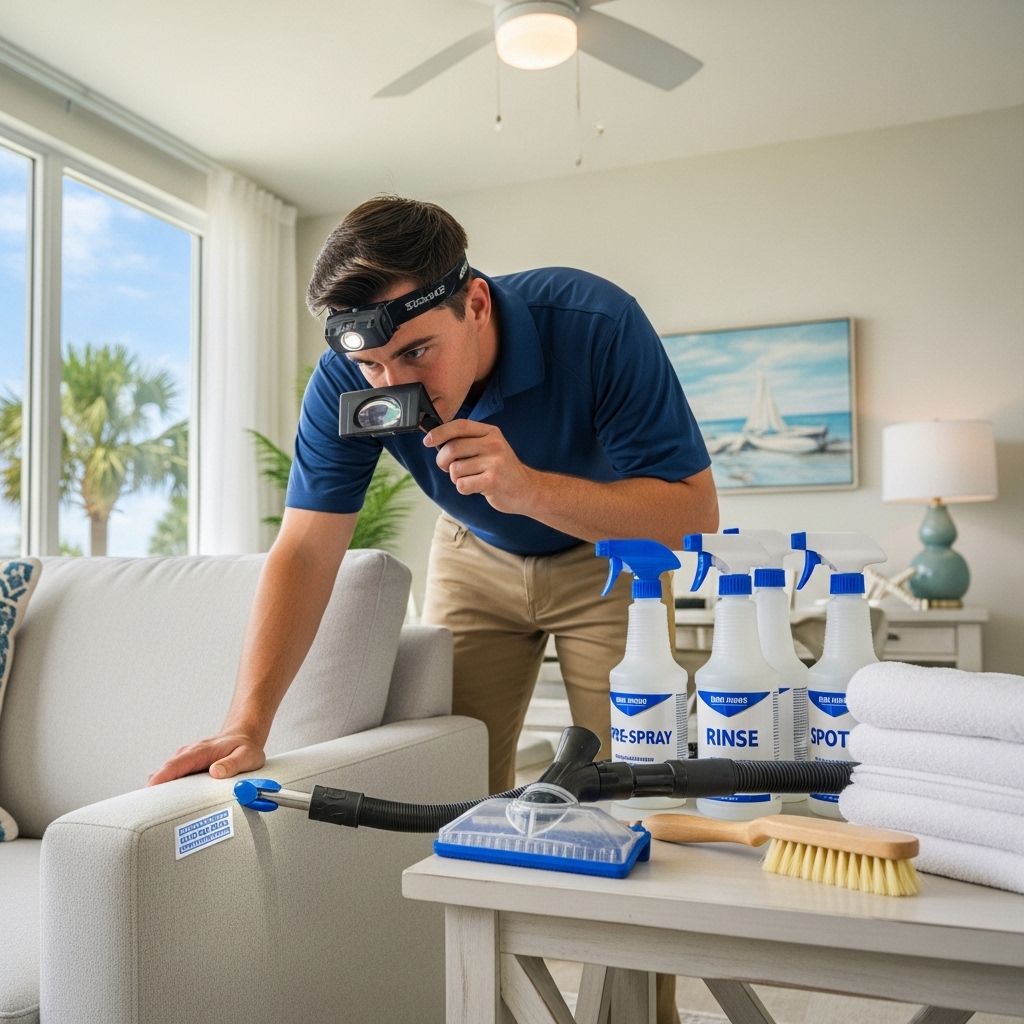
Upholstered furniture sets the tone for comfort and style in every Tampa home and business. From family sofas and reading chairs to office benches and lobby seating, each piece deserves a cleaning plan that respects its fabric, supports a healthy indoor environment, and stands up to the Gulf Coast’s humidity. This complete upholstery cleaning guide distills the best practices of experienced technicians into clear steps you can follow with confidence. If you decide the job is better handled by a specialist, consider professional upholstery cleaning to complement your maintenance routine.
Cleaning is not just about appearance. Proper care eliminates allergens, controls odors, and extends the life of your investment. Tampa’s climate adds complexity because high humidity slows drying and can intensify musty smells. A strong plan accounts for fabric type, soil load, and indoor conditions so you clean thoroughly while avoiding over-wetting or fiber damage.
Know Your Fabric: Codes, Fibers, and Construction
Before any cleaner touches your upholstery, identify the material. Fabric tags often include W, S, W/S, or X codes that guide product selection. Always test in an inconspicuous area, even when a code seems straightforward.
- W means water-based products are generally acceptable with proper rinsing and drying.
- S calls for solvent-based or minimal-moisture methods to avoid water marks and shrinking.
- W/S indicates either approach may be suitable with careful testing.
- X is vacuum-only. Consider bringing in a professional for specialized care.
Construction matters. Tight-weave synthetics tend to be durable and forgiving. Natural fibers like cotton and linen can clean beautifully but shrink, brown, or wrinkle if overwet or dried slowly. Rayon and viscose look luxurious yet are among the most delicate, needing very gentle handling. Microfiber resists staining but can appear streaky if not groomed properly. If cushions unzip, check inserts for contamination; odors often linger inside the foam rather than the cover.
Toolkit for Success in Tampa’s Climate
You do not need industrial gear to produce professional results, but a well-chosen kit helps immensely. Build a compact setup that supports low-moisture cleaning and fast drying.
- Upholstery-capable vacuum with brush and crevice tools.
- White towels or microfiber cloths for blotting and soil transfer checks.
- Labelled spray bottles for prespray, rinse solution, and spotters.
- Neutral pH upholstery detergent and a gentle rinse agent.
- Enzyme spotter for food and pet accidents, and solvent spotter for S-code fabrics.
- Soft upholstery brush, detailing brush for seams, and a lint brush for hair.
- Portable extractor or low-moisture hand tool for controlled rinsing.
- Air mover or fan to accelerate evaporation, plus your HVAC fan for circulation.
Because Tampa’s humidity can extend dry times, choose products designed for quick release and residue-free rinsing. Keep fans running until fabrics are fully dry to prevent wicking and odor.
The Complete Process: Step-by-Step
This sequence mirrors how seasoned technicians approach upholstery, with adjustments for fabric type and soil level.
- Inspect thoroughly. Identify fabric, check for loose threads, weak seams, or sun fade. Document problem areas mentally so you can verify improvement later.
- Dry soil removal. Vacuum slowly and methodically. A large share of soil is dry and responds best to mechanical removal before any solution is applied.
- Prespray. Apply a light, even mist of your chosen detergent. Target headrests, arms, cushion fronts, and contact areas.
- Dwell time. Allow a few minutes for chemistry to work. Do not let the prespray dry on the fiber.
- Agitation. Use a soft brush or towel to gently distribute solution and loosen soils. Follow the nap.
- Rinse and extract. With a low-moisture tool or extractor, rinse using minimal water, making overlapping passes until recovery appears clean. For S-code fabrics, use an appropriate solvent method with extreme caution and ventilation.
- Spot treatment. After the main rinse, isolate any remaining spots. Choose specific chemistry—enzyme, oxidizer, solvent, or tannin remover—based on the stain type and fabric.
- Groom and set the pile. Brush in one direction for a uniform appearance.
- Dry quickly. Position fans to move air across surfaces. Set the HVAC fan to circulate air. If possible, close windows on humid days and use dehumidification.
- Final quality check. Look for rings, streaks, or reappearing stains caused by wicking. Touch up immediately while fibers are still slightly damp.
Special Considerations for Tampa Homes and Businesses
Sand, salt, and pollen are frequent visitors in our region. Prevent these fine particles from embedding by vacuuming more often during high-use seasons. If your furniture is near sliders that open to a patio or pool, place mats and encourage quick brush-offs before sitting. For oceanfront properties or frequent beach days, rinse swimwear and towels thoroughly; residual salt can attract moisture and leave fabrics feeling tacky.
Humidity management is essential. Clean when you can keep indoor relative humidity in a comfortable range and use fans during and after the job. If you encounter musty odors that persist, consider whether the cushion core or underlayment needs attention. In some cases, replacing severely affected foam is the most reliable solution.
Stain Strategies and Safe Spotting
All stains are not created equal. Choose chemistry based on the source, and keep mechanical action gentle to protect fibers.
- Protein-based stains: Use cool water and enzyme products with proper dwell time.
- Oily residues: Mild alkaline cleaner or a targeted solvent, depending on the fabric code.
- Dyed beverages: Tannin removers can help, but test to avoid color shift.
- Ink and marker: Many inks set quickly. A professional-grade solvent may be required, applied with care and immediate blotting.
- Unknowns: Start mild. Escalate only if needed, and stop at the first sign of color transfer or texture change.
Always blot with white towels to monitor progress. Rinsing and rapid drying are your allies for preventing rings and wicking.
Deodorizing Without Masking
Fresh scent should be the natural result of soil removal and thorough drying, not heavy fragrance. True deodorization targets the source: remove contamination, rinse residues, and ensure full evaporation. When dealing with pet accidents or food spills that reach the cushion core, unzip covers if permitted and treat the insert, or replace if necessary. For ongoing freshness, keep indoor humidity controlled and vacuum routinely.
Upholstery in High-Traffic Tampa Spaces
Family rooms, short-term rentals, and home offices need a higher maintenance cadence. Rotate cushions monthly, brush fabric gently to lift crushed pile, and consider fabric protectors compatible with your material. If your furnishings see daily use by guests or clients, set a calendar reminder for Quarterly deep cleaning and weekly vacuuming, and keep a small kit ready for prompt spill response.
Mid-Project Decisions: When to Call a Pro
Sometimes you begin a cleaning and uncover dye instability, persistent odors, or cushion contamination you did not expect. Mid-course corrections are smart. If you see continuing color transfer or browning after careful testing, pause and consult an expert. You can also schedule professional upholstery cleaning at this stage to preserve the progress you have made while avoiding risks to delicate or high-value pieces.
Frequently Asked Questions
How often should I clean upholstery in Tampa? For active homes or properties with pets and children, plan deep cleaning every four to six months, supported by weekly vacuuming. In light-use areas, annual deep cleaning is usually sufficient.
Can I use my carpet cleaner on upholstery? Some machines have upholstery attachments, but take care. Use low-moisture tools and mild formulas designed for fabric, not carpet, and always test first.
Why do odors return after cleaning? Lingering odors often indicate contamination within the cushion insert or slow drying. Treat the core if accessible and increase airflow until fully dry.
Is sunlight helpful for deodorizing? Limited, indirect sunlight can help, but avoid prolonged exposure that may fade colors. Focus on proper cleaning and drying for the best results.
Should I apply fabric protector? Many households benefit from protector after a successful deep clean. Test compatibility with your fabric and follow label guidance.
Bring Your Upholstery Back to Life
With the right prep, products, and drying strategy, you can restore and maintain beautiful furniture across Tampa’s seasons. If you would like a head start or want assurance on delicate textiles, arrange professional upholstery cleaning and enjoy a fresh, comfortable space with confidence.