
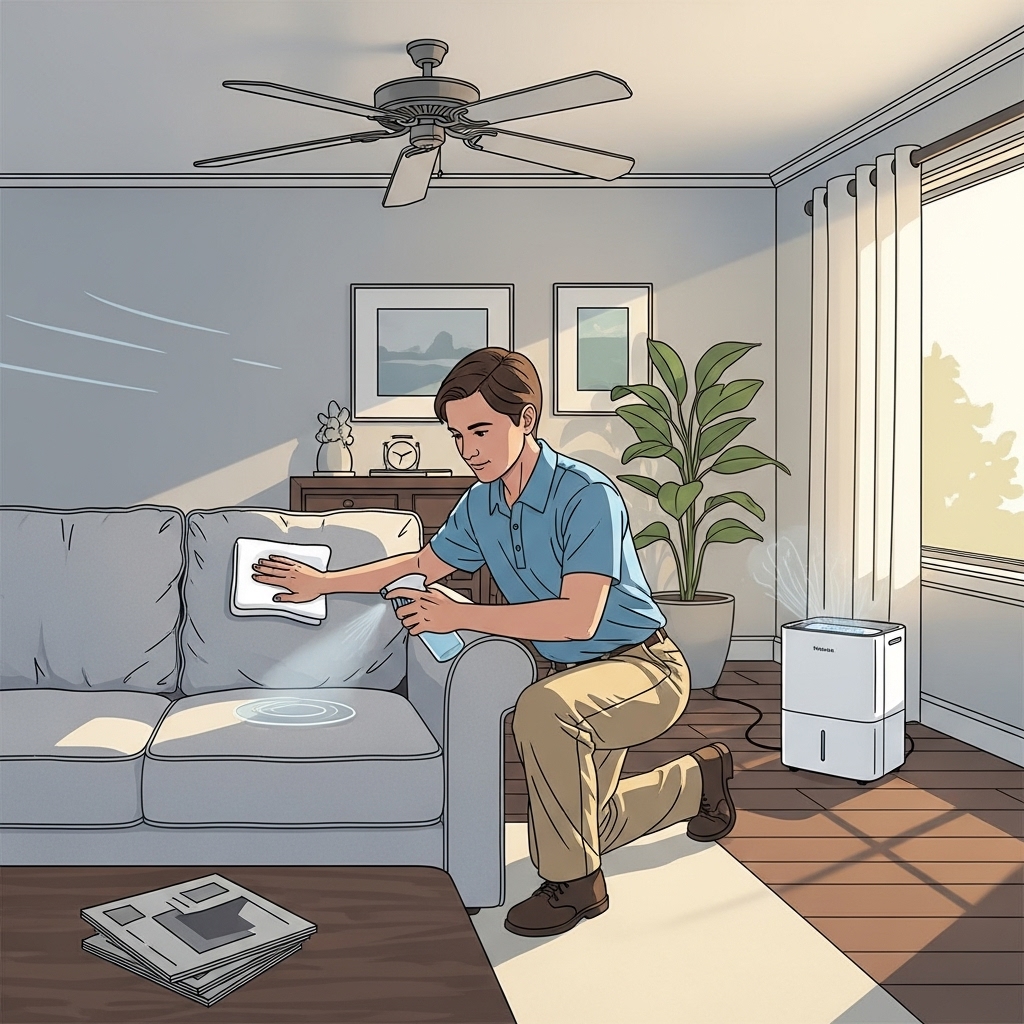
Even with careful planning, upholstery cleaning can present surprises—especially in Tampa, Florida, where warmth and humidity influence everything from drying time to odor control. If you have encountered water rings, wicking stains, lingering smells, or texture changes, you are not alone. This troubleshooting guide explains why common problems occur and shows you how to correct them safely. When an issue calls for specialized tools or advanced chemistry, you can always call for professional upholstery cleaning to protect your furniture and your time.
What separates a frustrating outcome from a professional result is a methodical approach. Diagnose the cause, choose the mildest effective fix, and verify success with controlled drying. The tips below address the problems Tampa homeowners and facility managers report most often.
Problem: Water Rings and Uneven Drying
Water rings form when moisture dissolves soil and then dries at the edges, leaving a visible outline. In humid Tampa air, slow evaporation makes rings more likely.
- Solution: Clean a slightly larger area around the ring using a light, even prespray. Gently agitate and perform a low-moisture rinse. Groom the fibers and dry rapidly with fans and HVAC circulation.
- Prevention: Avoid spot cleaning the exact center only. Blend your work outward and maintain airflow until fully dry.
If a ring persists, repeat the process with even lighter moisture and longer airflow. Resist the urge to soak; more water often makes rings worse.
Problem: Wicking and Reappearing Stains
Wicking happens when deeply embedded soils or spills migrate upward during drying, reappearing after the surface looks clean.
- Solution: After your initial clean, place a lightly damp white towel over the area and apply pressure to draw residues upward. Replace towels until minimal transfer occurs. Follow with a controlled rinse and quick drying.
- Prevention: Vacuum thoroughly before wet steps, keep moisture low, and use multiple light passes rather than a heavy one.
For stubborn wicking from old spills, check cushion cores. You may need to treat or replace the insert to eliminate the source completely.
Problem: Browning on Cellulose-Rich Fabrics
Cotton, linen, and rayon contain cellulose, which can brown if overwet, cleaned with too-alkaline chemistry, or dried too slowly.
- Solution: Use a mild, slightly acidic rinse to neutralize alkalinity. Apply sparingly and extract thoroughly. Dry quickly with directed airflow.
- Prevention: Keep pH near neutral, reduce moisture, and test in a hidden area before full treatment.
If browning appears, act while the fabric is still damp; corrective measures work better before fibers dry completely.
Problem: Texture Distortion and Flattened Pile
Excessive agitation or heat can distort fibers, especially in viscose, rayon, or some microfibers.
- Solution: Stop mechanical action. Lightly mist with distilled water if safe for the fabric, then groom gently with a soft brush in one direction. Allow to dry with airflow and minimal handling.
- Prevention: Use soft brushes, light pressure, and follow the nap. For delicate fibers, choose low-moisture cleaning from the start.
If distortion remains visible after drying, consult a specialist. Some textures require professional steaming and grooming techniques to restore their appearance.
Problem: Lingering Odors After Cleaning
Lingering odors signal that contamination remains or drying was incomplete. In Tampa’s humidity, even a few extra hours of dampness can lead to musty smells.
- Solution: Identify the source. If the cushion insert is affected, unzip the cover if allowed and treat or replace the foam. Reclean the fabric with an appropriate product, rinse thoroughly, and dry rapidly with fans and AC circulation.
- Prevention: Use enzyme treatments for pet and protein soils with proper dwell time, and confirm full drying before returning furniture to use.
Avoid overpowering fragrances. True freshness comes from soil removal and complete evaporation, not perfume.
Problem: Dye Bleeding and Color Loss
Unstable dyes can release color when exposed to moisture or certain solvents.
- Solution: Stop immediately if you see color transfer on your towel. Switch to a drier method, use cooler solutions, and reduce agitation. Sometimes the safest course is to limit cleaning to a light, even overall treatment that avoids localized overwetting.
- Prevention: Pretest in a hidden area with your intended products. Choose mild chemistry and low moisture for suspect fabrics.
On valuable or sentimental pieces, consider professional evaluation to prevent permanent damage.
Problem: Stiff or Sticky Residue
Residues left by over-applied detergent or incomplete rinsing can leave fabrics feeling stiff or sticky, which then attracts new soil.
- Solution: Perform a gentle, low-moisture rinse with a neutral solution. Extract thoroughly and dry with strong airflow.
- Prevention: Measure products accurately and avoid heavy application. Less is often more.
Residue control is especially important in commercial spaces where frequent use compounds the problem.
Problem: Slow Drying in Humid Conditions
Drying is a race against humidity. The longer moisture lingers, the higher the chance of rings, wicking, and odor.
- Solution: Increase air movement with fans directed across fabric surfaces. Set your HVAC fan to circulate, and if available, run a dehumidifier. Close windows on sticky days.
- Prevention: Choose low-moisture methods and plan cleaning during off-peak hours so you can keep air moving until fully dry.
When dry times exceed expectations, double-check that cushions and internal layers are not trapping moisture.
Problem: Reappearing Traffic Shadowing
On arms, headrests, and cushion fronts, oils from skin and hair combine with airborne dust to create shadowing that returns quickly.
- Solution: Use a targeted, neutral-to-mild-alkaline cleaner compatible with your fabric. Agitate lightly and rinse fully. Consider applying a fabric protector after cleaning to slow re-soiling.
- Prevention: Use washable covers on high-contact zones and increase vacuum frequency.
Shadowing is normal in busy households. A preventive routine reduces how quickly it returns.
Problem: Pet Hair and Embedded Sand
Tampa living often includes pets and beach days, which means hair and sand can embed in fibers and seams.
- Solution: Before wet steps, use a vacuum with a crevice tool and a rubber squeegee or lint brush to lift debris. Take cushions outside and tap gently to dislodge particles.
- Prevention: Keep a lint brush handy at entrances, and encourage quick brush-offs. Add doormats to capture sand before it migrates indoors.
Removing dry debris first makes every subsequent step more effective.
Problem: Solvent Sensitivity on S-Code Fabrics
Some S-code fabrics tolerate only narrow bands of solvent chemistry and can develop rings or sheen changes if mishandled.
- Solution: Apply solvent to a towel, not directly to the fabric. Dab and lift gently. Ventilate the area well and limit your working area to avoid tide lines.
- Prevention: Test extensively and consider a professional for delicate or high-value pieces.
Solvent work requires patience and restraint. When in doubt, pause and reassess.
Diagnostic Checklist for Better Results
When troubleshooting, step through this quick diagnostic to isolate the cause:
- What is the fabric and cleaning code?
- What chemistry was used, at what dilution, and with what dwell time?
- How much moisture did you apply, and how was it extracted?
- What was the airflow and humidity level during drying?
- Did the problem appear immediately or after drying?
Answering these questions helps you adjust methodically rather than guessing.
Case Study: Restoring a Beachside Condo Sofa
A microfiber sectional in a Tampa condo showed dark shadowing, a faint musty odor, and scattered water rings from DIY attempts. The fix began with meticulous vacuuming and seam brushing to remove embedded sand. A light, neutral prespray was applied to the entire seating area with short dwell, followed by gentle agitation and a low-moisture rinse. Pile grooming restored a uniform appearance. Multiple fans and AC circulation produced a fast dry, eliminating the musty note. Rings vanished because the cleaning area was expanded and dried evenly.
This approach illustrates the core principle: broaden the treatment zone, lower moisture, and accelerate drying. Each step addresses the root of the problem instead of just the symptom.
Frequently Asked Questions
Why do stains come back the next day? That is wicking. Residues from deeper layers migrate upward as moisture evaporates. Use multiple light passes, blotting, and faster drying to control it.
Can I fix dye bleed at home? Sometimes you can minimize it by stopping immediately, switching to cooler, drier methods, and blending your work. Significant bleeding on delicate fabrics is best handled by a professional.
How do I remove a musty smell? Address the source by cleaning both fabric and cushion insert if affected, rinse thoroughly, and dry with strong airflow and AC circulation. Avoid heavy fragrances.
Are water-only methods safe? Water can still cause rings and browning on some fibers. Always pretest and keep moisture low. Use appropriate rinses and quick drying.
What is the safest first step for an unknown stain? Blot with a slightly damp white towel, then test a mild, neutral cleaner. Escalate only if no color transfer occurs.
Restore Confidence in Your Cleaning Results
When you understand the mechanisms behind rings, wicking, odors, and texture changes, solutions become straightforward. Use low moisture, appropriate chemistry, and strong airflow to steer each job toward success. If a problem persists or the fabric is delicate, schedule professional upholstery cleaning and enjoy a clean, fresh space without the trial and error.