
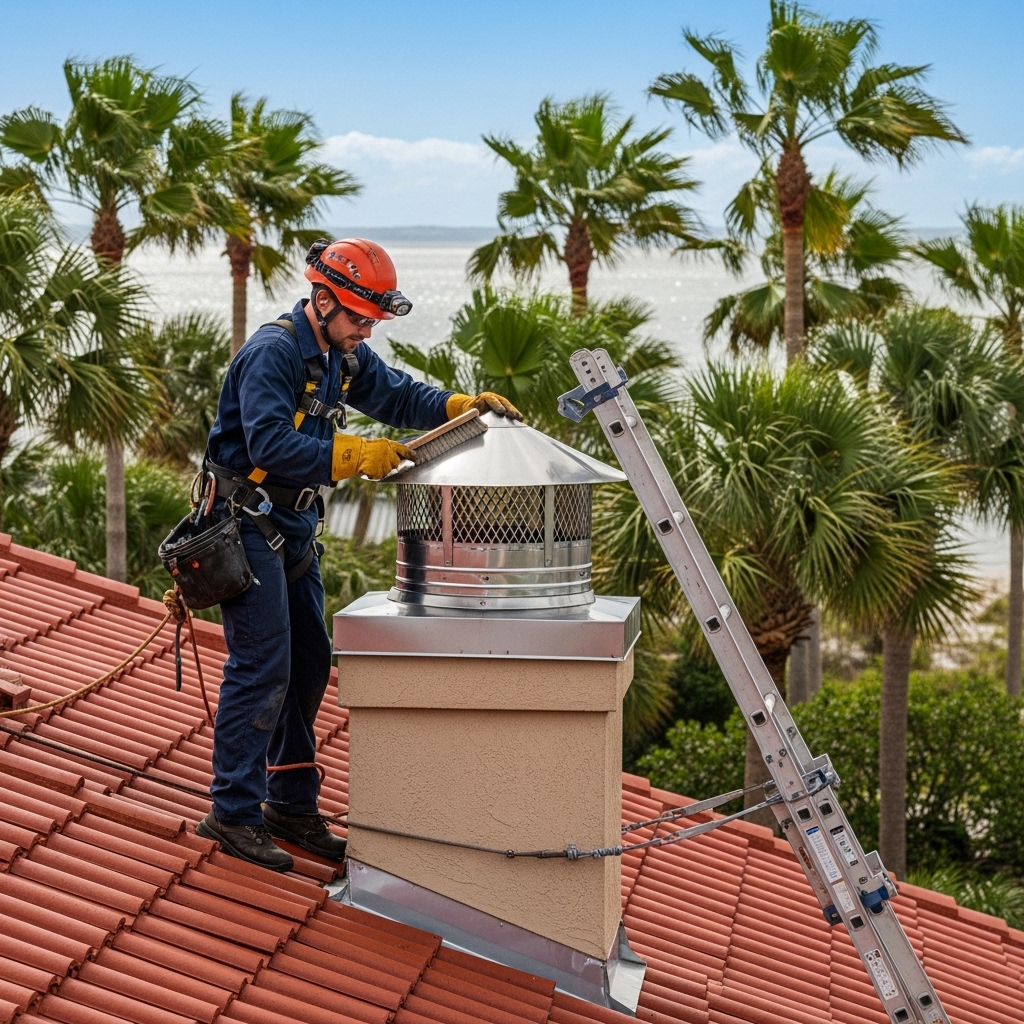
Why Every Tampa Home Needs a Thorough Chimney Cleaning Plan
In Tampa, Florida, fireplaces and vented stoves are often used for ambiance as much as heat, yet the systems behind them require the same care as those in colder climates. Even with mild winters and many gas or prefab fireplaces, soot, creosote, moisture, and storm-driven debris can build up and create safety and odor issues. That is why a routine schedule for chimney cleaning is essential for homeowners who want consistent performance and peace of mind. This complete guide explains how your chimney works, what to look for, how the Gulf climate affects maintenance, and how to plan inspections and cleanings that fit Tampa’s unique weather and housing styles.
Tampa’s coastal conditions—salt-laden air, high humidity, sudden thunderstorms, and hurricane season—can accelerate corrosion on caps and chase covers, loosen flashing, and push organic debris into flues. Meanwhile, occasional winter fires can still create creosote, especially when burning resinous firewood or starting a cold flue that does not draft efficiently at first. Understanding these local variables will help you set a smart maintenance cadence and select materials that stand up to our environment.
How Chimneys Work and Why They Need Cleaning
A chimney’s job is to carry combustion byproducts safely outside. To do that, it relies on draft: hot gases rise and pull air from the firebox through the flue. Over time, soot and creosote accumulate on the flue walls, reducing draft and increasing the risk of chimney fires. In Tampa, moisture and salt can compound the problem by promoting corrosion of metal components and weakening mortar joints. Gas systems produce less soot than wood-burning ones, but they can still leave corrosive residues and require venting to stay clear for proper exhaust.
Creosote forms in stages, from light flaky soot to tar-like deposits and hard, shiny glaze. The heavier stages ignite more easily and are harder to remove. Even households that use the fireplace just a few times a season may see significant buildup if wood is unseasoned, fires are smoldering, or the flue is oversized relative to the appliance. Cleanings restore interior dimensions, improve draft, and allow a close look at flaws that could grow into costly damage if ignored.
The Anatomy of a Typical Tampa Chimney
A typical system includes the firebox, damper, smoke chamber, flue liner, crown or chase cover, and a cap with a spark screen. Many Tampa homes use factory-built, metal-lined systems framed with a chase above the roofline, while older homes may have masonry chimneys with clay liners. Each material has its vulnerabilities: metal can rust, and clay can crack under thermal stress. Caps keep out rain, birds, and leaves; crowns or chase covers shed water away from the flue and masonry or framing; flashing seals the roof junction. When one component fails, the others are stressed, making preventative care especially important.
Cleaning Frequency and Timing for Florida’s Climate
National guidance generally recommends an annual inspection and cleaning as needed, but in Tampa the calendar should account for summer storms and humidity. Many homeowners schedule an inspection at the end of summer or early fall, before lighting the first fire. If you use the system regularly through winter holidays, a second mid-season check may be wise. After any major storm with high winds, inspect caps and flashing from the ground and schedule a professional assessment if something looks off. Gas systems also benefit from annual inspections to confirm clear venting and sound connections.
Burning practices also influence frequency. Dry, seasoned hardwoods produce less creosote than softwoods or wet wood. Short, hot fires draft better than long, smoldering ones. A glass door that darkens quickly or persistent smoky odors on humid days are signs the flue may be due for attention.
Preparation: Tools, Access, and Safety
Whether you are hiring a professional or evaluating your system between service visits, plan for safe access and containment. Drop cloths, a high-filtration vacuum, a stout ladder for top-side inspections, a flashlight, and if you DIY, properly sized flue brushes and flexible rods are essential. Wear eye protection and a respirator when working near ash and soot. Seal off the firebox opening with plastic to prevent soot drift into the room. Remember that roof access in Tampa can be slippery after rains; never step on wet tiles or shingles without appropriate footwear and a secure tie-off.
Before any cleaning, confirm that the damper opens and closes, the firebox is cool, and embers are fully extinguished. Remove logs, grates, and ash. If you smell strong creosote or see tar-like deposits, assume a heavier buildup that may require specialized methods beyond consumer tools.
Step-by-Step Overview of a Thorough Cleaning
Start with an inspection. From the firebox, look for cracks, missing mortar, rust, or gaps around the damper. From above, check that the cap is intact, the screen is clear, and no nesting materials are present. Photograph any concerns for your records and to discuss with a technician.
Contain the area. Tape plastic sheeting over the firebox opening with a small access slit for brushes or rods. Use a HEPA-filtered vacuum to control soot migration. If you are cleaning from the top down, have a ground partner confirm the seal and hold the vacuum near the access slit during brushing.
Brush the flue. Choose a brush that matches the flue shape—round, square, or rectangular—and the correct size for a snug but movable fit. Feed rods section by section, brushing vigorously through the entire length several times. The goal is to dislodge residue without damaging the liner. For metal flues, avoid overly aggressive wire brushes that could scratch protective coatings; poly brushes are often preferred.
Clean the smoke chamber and firebox. The smoke chamber above the damper often collects heavy deposits due to turbulence. Use a specialized chamber brush or hand tools designed for tight corners. Vacuum loosened debris carefully, then sweep or vacuum the firebox. Wipe glass doors with a cleaner formulated for creosote stains and check gaskets for wear.
Evaluate results and re-inspect. After brushing, use a bright light to verify that residue is reduced and the flue looks uniform. If you see glossy glaze that did not budge, it may require chemical treatment or professional rotary cleaning. Recheck the cap, crown or chase cover, and flashing. Replace screens damaged by salt corrosion and confirm that rain deflects away from the structure.
Special Considerations for the Tampa Area
Humidity makes odor control a priority. Even when not in use, humid air can carry creosote smells into living spaces. A well-sealed damper, a tight-fitting cap, and a clean flue reduce odor pathways. Salt air also accelerates rust on caps, shrouds, and chase covers. Consider stainless steel components with appropriate marine-grade fasteners to resist corrosion. After wind events, look for displaced caps or missing screws, and inspect chase covers for pooling water, which can seep into framing and cause hidden leaks.
Wildlife pressure is another local factor. Birds and small mammals may enter uncapped or damaged chimneys. A robust cap with a proper screen deters nesting and blocks wind-driven debris. If you suspect wildlife habitation, do not start a fire; seek humane removal and then clean and sanitize the flue before the next burn.
Professional Help Versus DIY
Homeowners can manage light maintenance and visual checks, but heavy creosote, structural concerns, or complex prefab systems merit professional tools and training. Certified technicians use rotary power sweeping, high-filtration vacuums, video inspections, and specialized chemicals when needed. They also verify clearances to combustibles, inspect for hidden damage, and document the condition for your records. A detailed report is useful when selling a home, filing insurance documentation for storm damage, or mapping out long-term maintenance.
If you prefer to combine DIY with professional oversight, schedule an annual inspection and plan occasional homeowner checks after storms or during the burning season. A mid-season appointment is a smart moment to verify performance, especially if smoky smells persist or the glass soots up quickly. When in doubt, book a professional chimney cleaning to reset the system and catch emerging issues before they expand.
Common Problems and How to Address Them
Backdrafting or smoke spillage can result from negative pressure in tight homes, blocked caps, or undersized make-up air. Opening a nearby window during start-up, preheating the flue with kindling, and ensuring the cap is clear can help. Persistent downdrafts on windy days may call for a different cap design.
Water intrusion shows up as stains around the firebox, rust on the damper, or efflorescence on masonry. Correct the source with a sound crown or chase cover, intact flashing, and a cap that sheds rain. For prefab chases, check for soft or swollen sheathing, which indicates leaks.
Odors intensify on humid days because creosote is hygroscopic. A clean flue, tight damper, and positive sealing at the firebox surround all help. Avoid scented logs as a substitute for cleaning; they do not remove hardened deposits and can worsen residue.
A Maintenance Calendar That Works for Tampa
Late summer or early fall is ideal for inspections so repairs can be completed before cooler evenings arrive. After major storms, perform a quick visual review from the yard and the attic if accessible. During the burning season, watch for sluggish start-ups, unusual smells, and smoke spillage. In spring, clean the firebox, leave the damper closed to limit humid air, and store dry kindling off the floor to prevent moisture absorption. Keep records of inspections, cleanings, and any part replacements so you can track patterns and warranty coverage.
Alongside chimney care, maintain carbon monoxide and smoke alarms, test them monthly, and replace batteries regularly. If you have a gas log set, verify that the burner ports are clear and that the log arrangement matches the manufacturer’s drawing to ensure stable flames and clean combustion.
Frequently Asked Questions
How often should I clean my chimney in Tampa? Most homes need an annual inspection, with cleaning as the technician recommends. If you burn wood several nights a week during winter, plan for a cleaning each season. Light users may still need annual service due to humidity, salt air, and storm debris.
Does gas require cleaning? Gas systems produce less soot but still need annual inspections to confirm clear venting, check for corrosion, and ensure safeties are functioning. Moisture and salt can corrode metal venting, so Tampa homes should not skip service just because the appliance is gas.
What signs mean I should schedule service now? Heavy smoke on start-up, darkened glass after one or two fires, strong creosote odor on humid days, or visible debris falling into the firebox signal it is time.
Can I burn palm fronds or scrap lumber? Avoid burning yard waste or treated wood. They can spark excessively, emit corrosive chemicals, and create problematic residues that accelerate buildup.
Is a cap necessary in Florida? Absolutely. A good cap reduces water intrusion, keeps out wildlife and leaves, and tames downdrafts. Stainless steel caps with appropriate screens hold up best in coastal air.
Ready for a Safer Fireplace in Tampa?
Clean, well-maintained chimneys perform better, smell fresher in humid weather, and provide greater safety on the rare cold night or festive holiday gathering. If you are due for service or want a pre-season inspection, schedule trusted chimney cleaning and enjoy a more reliable system through every Florida season.