
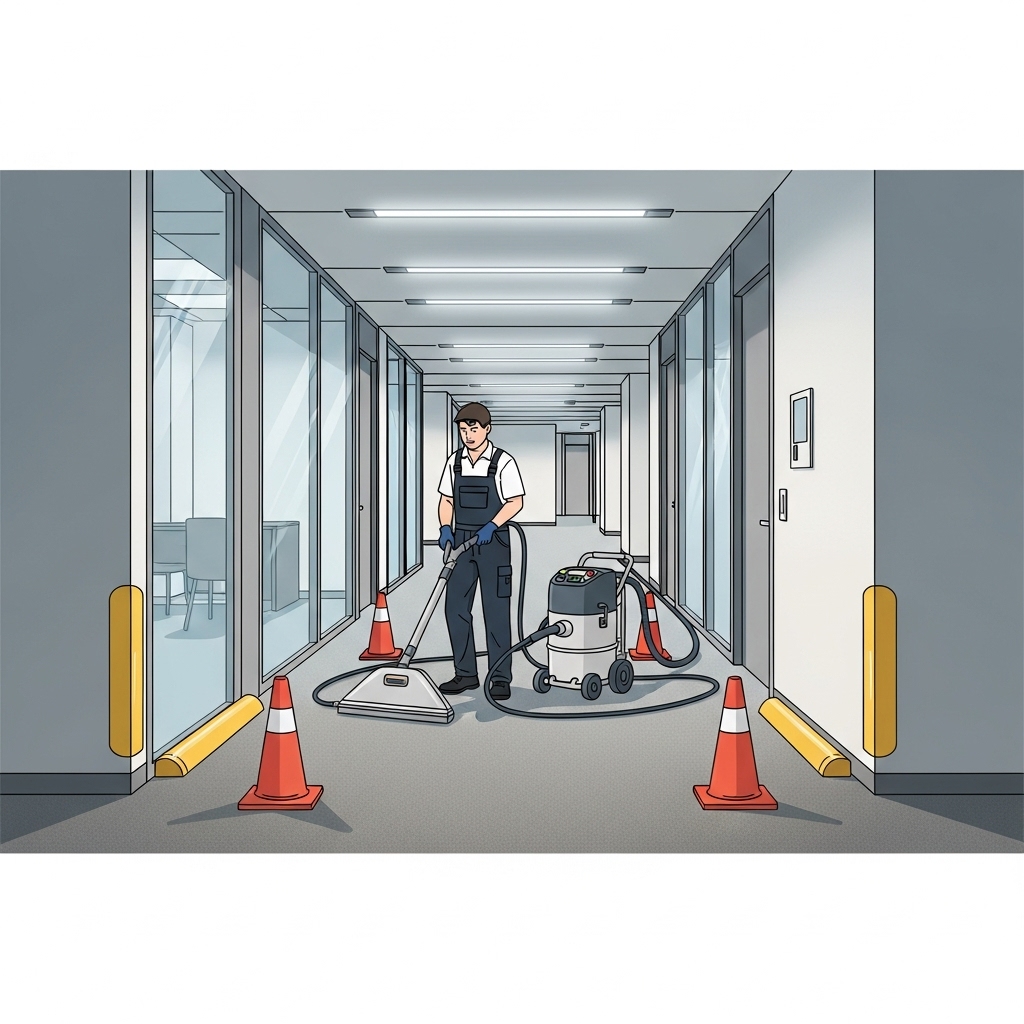
Commercial Carpet Cleaning in Tampa: Services, Scheduling, and Facility Outcomes
From office towers in Downtown Tampa to medical suites in Carrollwood and retail spaces in Westshore, commercial interiors rely on clean carpets to convey professionalism and protect indoor air quality. Facility managers juggle tenant expectations, compliance needs, and tight timelines. A strategic approach to commercial carpet care can reduce disruptions, extend flooring life, and maintain a consistently polished appearance. When you evaluate options, it helps to compare service scopes, confirm safety practices, and understand how vendors stage work in an active building. Many teams model their workflow on established best practices for carpet cleaning so that outcomes are predictable across different floor types and traffic conditions.
In Florida’s humid climate, carpeted walkways carry more than dust. Fine sand, organic debris, and moisture combine to create adhesion in the pile. High-traffic corridors, elevator lobbies, and break areas bear the brunt of this buildup, and if not addressed systematically, appearance can degrade quickly. A comprehensive commercial program coordinates deep cleaning with interim maintenance so that groundskeeping, janitorial teams, and project vendors all support each other’s work rather than undo it.
Understanding the Commercial Service Menu
Commercial carpet care isn’t one-size-fits-all. Vendors tailor methods to meet appearance, hygiene, and scheduling objectives. Typical components include:
- Pre-inspection and mapping: Identifies fiber types, seams, transitions, and zones with coffee, toner, or cooking oils.
- Dry soil extraction: High-filtration vacuuming lifts particulates to prevent mudding during wet processes.
- Targeted spotting: Protein, tannin, adhesive transfer, and rust require distinct chemistry and dwell times.
- Interim encapsulation: Low-moisture polymer cleaning brightens and controls traffic lanes between deep rinses.
- Hot water extraction: Periodic restorative cleaning to flush soils from the backing and reset texture.
- Post-grooming and drying setup: Promotes a uniform finish and faster return to service.
The right blend keeps hallways presentable every day and brings executive suites, conference rooms, and show floors to a like-new appearance when needed. For facilities with mixed flooring, coordination with hard surface teams prevents cross-contamination and slip risks at transitions.
Scheduling Around Business Hours
Downtime is often the biggest concern. Reliable vendors plan after-hours or weekend windows, deploy larger crews for rapid coverage, and use air movers to accelerate dry times. They also communicate floor-by-floor so occupants can protect sensitive equipment, secure files, and plan staff movement around active areas. For healthcare and education buildings, public health requirements and access controls add extra steps, but experienced teams are accustomed to these protocols and will supply necessary documentation ahead of time.
Moisture and Humidity Management in Tampa
Our coastal climate demands moisture-aware procedures. After hot water extraction, technicians leverage the building’s HVAC to reduce ambient humidity, stage air movers strategically, and groom pile for even airflow. Encapsulation maintenance is particularly valuable during the summer when low-moisture processes help corridors reopen quickly without adding excess humidity to the environment. Proper moisture control protects adhesives, reduces the risk of wick-back, and helps maintain indoor air quality.
Traffic Patterns and Appearance Standards
To keep tenants and visitors impressed, define appearance standards for each zone. A reception area might require a consistently bright, uniform look, while a data center corridor can prioritize function with slightly wider service intervals. Mapping these expectations ensures resources go where they matter most. Color and pile construction influence perceived cleanliness; looped commercial styles often hide soil better than plush cuts but can anchor oily residues in the fiber. Trained technicians adjust chemistry and agitation accordingly.
Stain Protocols for Business Environments
Commercial stains differ from residential. Think coffee splashes near conference rooms, toner at print stations, and food oils in break rooms. A good vendor documents repeat offenders and sets targeted spot protocols so staff can mitigate issues between visits. For instance, absorbent blotting and minimal moisture help prevent spreading on olefin loop pile, while controlled heat may assist with dye transfer in synthetic fibers when applied by a professional.
Safety, Compliance, and Communication
Commercial work requires clear documentation: insurance, safety data sheets, and equipment lists. Crews should implement site-specific hazard controls, secure hoses, and mark wet areas to guide foot traffic. Building engineers appreciate vendors who coordinate loading dock times, elevator access, and security procedures in advance. When the cleaning team adapts to your building’s rhythms, you avoid bottlenecks and keep occupants comfortable.
Building a Maintenance Calendar
The most efficient programs are calendar-driven. Start with a deep reset in the most visible zones, then schedule interim encapsulation at set intervals to hold appearance. Add spot checks after major events and seasonal spikes, such as holiday parties or summer storms that track in more soil. This plan keeps floors predictable, reduces frustration, and supports long carpet life. Many facilities include quarterly reviews to adjust frequency based on real traffic patterns.
Working With Multi-Tenant Properties
Property managers need flexibility. One tenant may request fragrance-free products, another may require after-hours only service. Establishing standard operating procedures that allow opt-ins—like fiber protectant in entry suites or additional attention to coffee stations—keeps tenant relations strong. Communication channels matter: a shared schedule, clear points of contact, and photo documentation of before-and-after conditions reduce confusion.
Mid-Project Quality Checks
Quality assurance should happen during, not after, the job. Supervisors can spot-gauge moisture levels, confirm even pile lay, and verify that edges and corners match the appearance of open areas. In larger facilities, daily recaps help align expectations for the next shift. For a frame of reference on what thorough service looks like, review how expert carpet cleaning workflows sequence vacuuming, chemistry, agitation, extraction, and grooming to minimize rework and wick-back.
Protecting Adjacent Surfaces and Assets
Carpet cleaning intersects with many building elements: baseboards, wall finishes, door thresholds, and furniture legs. Professional teams deploy corner guards, plastic tabs, styrofoam blocks, and containment mats to guard these surfaces. Cables and under-desk equipment in offices deserve special attention; labeling and lifting techniques prevent snags, and pre-job communication ensures sensitive devices stay powered down when necessary.
Odor Control and Indoor Air Quality
Odors in commercial spaces often stem from moisture intrusion, food residues, or bacteria in high-use zones. Addressing odor means removing the source, not masking it. Low-residue chemistry, high-filtration vacuuming, and proper rinse techniques work together to reduce irritants. In Tampa’s climate, moisture management is central to maintaining good indoor air quality, keeping employees comfortable, and supporting productivity.
Training and Professionalism
Ask about technician training, certification, and supervision. Teams that invest in education understand fiber identification, pH control, and safe use of chemistry. They also handle specialty issues like rust, toner, and beverage spills common to workplaces. A culture of professionalism shows up in punctual arrivals, clean uniforms, labeled equipment, and tidy work areas that reopen quickly for staff and visitors.
Creating a Sustainable Plan
Many Tampa businesses aim for greener operations. Low-fragrance options, reduced water usage when appropriate, and responsible disposal practices can support environmental goals without compromising results. Coordinating with janitorial teams to improve daily entry matting, vacuuming with high-efficiency filtration, and prompt spill response also have a big impact on long-term appearance.
Frequently Asked Questions
Q: How quickly can areas reopen after service? A: With interim low-moisture maintenance and good airflow, many corridors and offices are ready for foot traffic shortly after cleaning. Restorative rinses may require additional dry time, which your vendor plans around business hours.
Q: Can commercial cleaning help with recurring coffee stains? A: Yes. A targeted spotting protocol and proper rinse reduce wick-back. Teams also advise on prevention strategies for beverage stations.
Q: How do vendors handle confidential areas? A: Reputable providers coordinate with security, follow access controls, and document chain-of-custody for keys or badges as required.
Q: What about noise concerns? A: Scheduling during off-hours and using modern, well-maintained equipment minimizes disturbance. Communication with tenants sets expectations in advance.
Q: How often should we plan service? A: Frequency is driven by traffic and appearance standards. Many facilities use a mix of regular interim maintenance with periodic restorative cleaning for primary corridors and shared spaces.
Move Forward With Confidence
If your Tampa facility’s carpets are due for a refresh, select a vendor that balances appearance goals, building logistics, and occupant comfort. Ask for a clear scope, confirm safety practices, and ensure the team can stage work to meet your timelines. Look to proven frameworks for carpet cleaning as a benchmark for process and outcomes, then schedule the first service window that fits your building’s rhythm. A cleaner, more welcoming space is within reach for your tenants, staff, and visitors.