
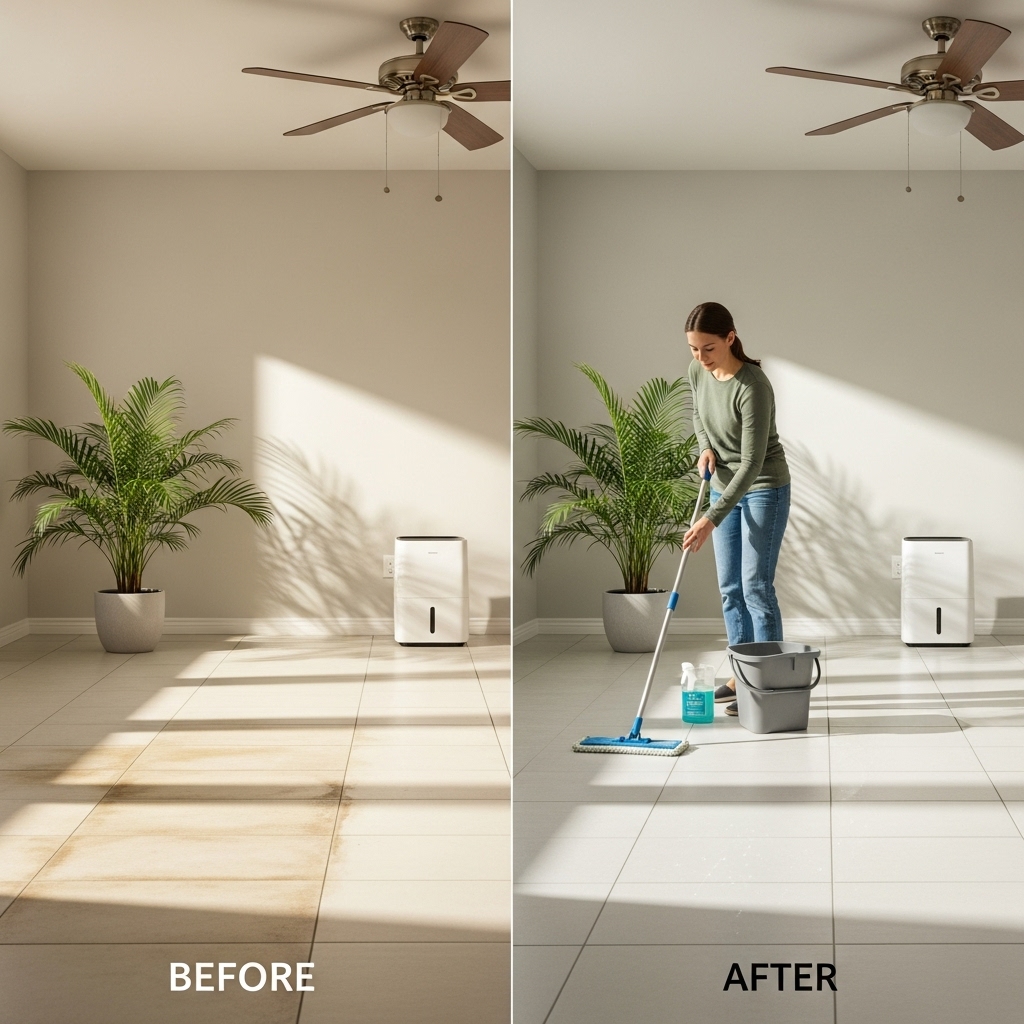
Ceramic tile is a favorite in Tampa, Florida, thanks to its durability, coastal style, and practicality in humid weather. Yet even the toughest floors need periodic care to keep grout bright and tile finishes clear. This homeowner’s guide explains how ceramic tile behaves, why Tampa’s climate challenges routine cleaning, and what a complete deep-clean looks like. Along the way, you will find advice for daily maintenance, stain prevention, and post-clean care so your investment looks great for years to come. If you are considering help from a local specialist, explore how seasoned teams approach tile cleaning with methods tailored to Florida homes.
Understanding Ceramic Tile and Grout
Ceramic tile is kiln-fired clay with a protective glaze. It resists water and everyday wear, but the surface can host films from soaps and cleaners, while grout—more porous by nature—absorbs spills and tracked-in debris. The biggest cosmetic shifts occur in grout channels, which can darken unevenly as minerals, oils, and pigments accumulate.
Because ceramic tile and grout behave differently, an effective approach treats them as two surfaces. Gentle chemistry and measured agitation lift films from tile, while targeted solutions and deeper extraction address grout. The balance is important: overly strong products may etch, while insufficient dwell time may leave residues behind.
How Tampa’s Climate Affects Ceramic Tile
Tampa’s humid air, sea breezes, and rainstorms bring fine grit indoors. Beach trips and backyard gatherings add sand and moisture to entryways and kitchens. Bathrooms face constant humidity, creating conditions for soap film and mineral deposits. Over time, these contaminants embed in grout and create a dull cast on tile glaze.
Seasonal patterns matter, too. During wet months, expect more frequent mopping and faster re-soiling. In drier stretches, dust cycles through air conditioning systems, settling into cracks and corners. Routine care helps, but periodic deep cleaning is the reset that restores clarity and makes maintenance easier.
Daily and Weekly Care that Works
Daily dusting or sweeping is your first line of defense. Capturing grit early prevents abrasion and haze. For mopping, use a light, neutral cleaner and change water as soon as it clouds. Too much product leaves a film that attracts new soil. Soft microfiber pads help lift residue without scratching.
Address spills promptly, especially pigmented liquids or oils that can migrate into porous grout. Place breathable mats at entries and rotate them. In bathrooms, improve ventilation after showers to limit persistent moisture. Small routines add up to big gains in appearance.
When to Schedule Professional Cleaning
If grout remains dark after diligent mopping, or if tile looks streaky despite your best efforts, deeper extraction is due. Ceramic tile may show a dull sheen that suggests film buildup. Entryways with heavy traffic and kitchens near cooking zones are reliable indicators. The goal of professional service is not just to improve looks but to bring surfaces back to a state where routine cleaning works better.
What a Comprehensive Deep Clean Looks Like
Assessment: The technician identifies tile type, inspects grout, and asks about past products and sealers. They test discreet areas to confirm the right approach.
Dry soil removal: Vacuuming picks up sand and grit, minimizing abrasion during wet stages.
Pre-treatment: Targeted solutions are applied to loosen embedded residues. Dwell time ensures chemistry can work in grout pores.
Agitation: Rotary tools and hand brushes lift soil from both tile and grout, adjusting pressure to protect surfaces.
Rinse and extraction: Controlled rinsing flushes loosened soil while extraction removes it from the floor, preventing residues from resettling.
Detailing and drying: Edges, corners, and transitions receive attention. Airflow is encouraged to speed drying and support a clean finish.
Sealing options: Grout sealing can reduce absorption and make routine care more effective. The technician will recommend an approach that fits your home’s traffic and needs.
Why Ceramic Tile Benefits from a Balanced Cleaner
Using a neutral or balanced cleaner for regular maintenance prevents film formation. Products that are too strong can degrade finishes or leave sticky residues that lock in soil. Less is more: light solution, fresh water, and frequent pad changes are better than heavy dosing.
Common Trouble Spots in Tampa Homes
Kitchens near cooking surfaces collect aerosols and fine particulates that settle into grout. Entryways absorb sandy grit and moisture from patios and pool decks. Bathrooms accumulate soap film, especially in grout lines and around fixtures. Identifying these patterns helps you fine-tune your cleaning routine and communicate priorities to a professional.
Protecting Tile Between Deep Cleans
Furniture glides and felt pads reduce scuffs. Keep pet bowls on trays to contain splashes. Wipe shower floors and walls after use to limit film. For kitchens, a quick nightly sweep, followed by a light mop in high-traffic zones, can keep soils from compacting. These habits extend the bright, crisp look after a professional visit.
What to Ask During a Consultation
Ask about the methodology for ceramic surfaces versus natural stone, the plans for rinsing and extraction, and whether sealing is advisable for your grout. Discuss drying expectations, access points, and how to sequence rooms so daily life continues with minimal disruption.
Mid-Guide Insight for Busy Schedules
For many Tampa families, time is the deciding factor. Professional crews handle agitation and thorough extraction much faster than at-home tools. This matters when you are balancing work, school, and weekend plans. Streamlined, reliable tile cleaning gives you the reset you need without guesswork, and the results make upkeep noticeably easier.
Frequently Asked Questions
How do I know it is time for deep cleaning? If grout remains dark or streaky despite regular mopping, or if tile shows haze, schedule a professional assessment.
Is ceramic tile easily damaged by cleaning? With proper chemistry and controlled agitation, ceramic tile is resilient. The key is matching the method to your surface.
Will sealing change the look of my grout? Most penetrating sealers are designed to maintain the natural appearance while reducing absorption. Your technician can demonstrate a test spot.
Can I walk on floors right away? Light traffic may return sooner, but it is wise to follow the technician’s guidance based on humidity and ventilation that day.
What about bathroom tile and shower floors? These areas benefit greatly from deep cleaning due to soap film and minerals. Good ventilation after service helps preserve the result.
Do I need special cleaners afterward? Use a neutral cleaner and clean water, replacing mop solution frequently to avoid film.
What if my grout color is uneven? Cleaning can reveal the truer shade. Persistent unevenness may relate to historical staining or prior spot treatments; additional options can be discussed.
Is there a best season for service in Tampa? Any time works, but consider airflow and household schedules. Cooler, drier periods may speed drying, while warm months may require more active ventilation.
Keep Your Ceramic Tile Looking Its Best
With a practical routine and occasional deep cleaning, ceramic tile stays beautiful and durable in Tampa’s active climate. Prioritize dry soil removal, choose balanced products, and address spills quickly. When it is time for a reset, partner with a local team that understands ceramic surfaces, grout behavior, and Florida homes. If you want a reliable path to crisp grout lines and a clear, residue-free glaze, schedule a visit with a provider known for meticulous tile cleaning and thoughtful maintenance guidance that keeps your home shining.