
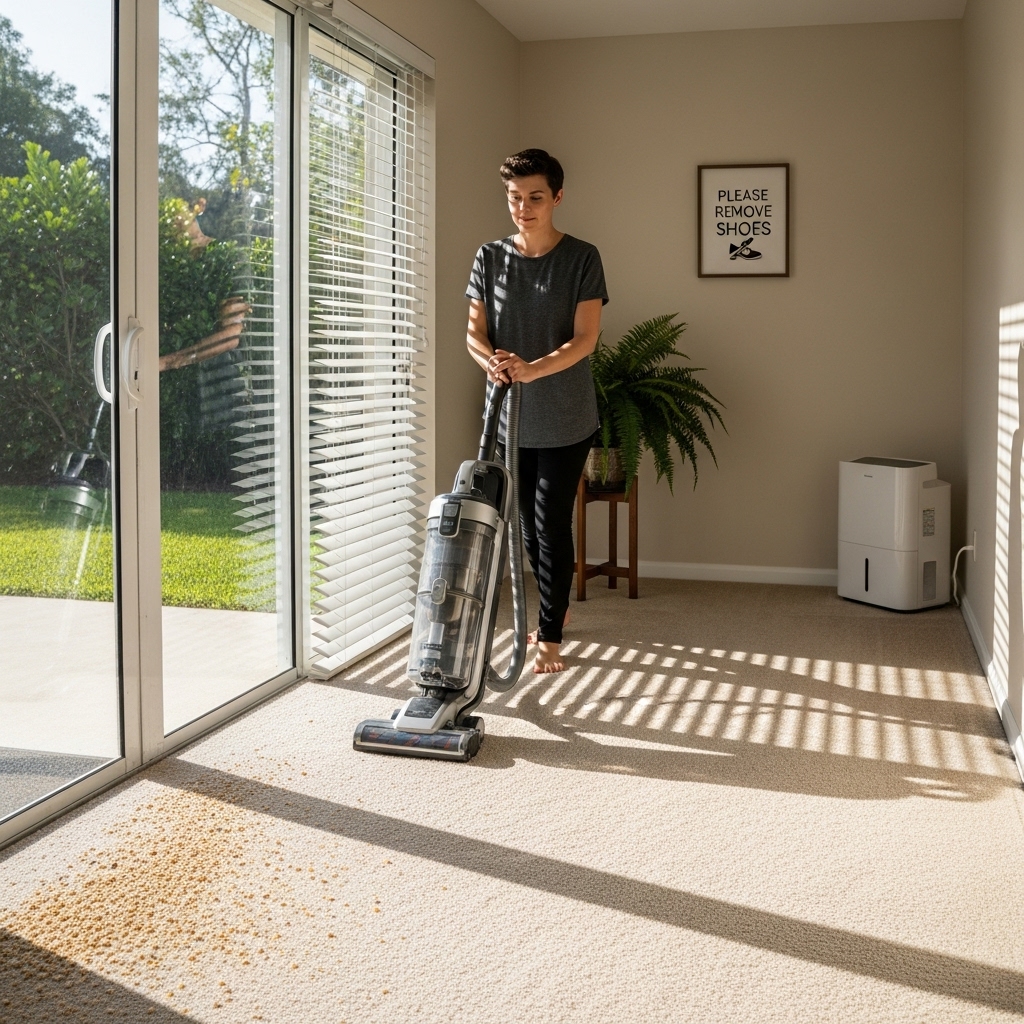
Introduction: Everyday Strategies for Tampa Homes
Carpet delivers comfort, insulation, and style, but Tampa’s humidity, coastal breezes, and active lifestyles create unique cleaning challenges. The good news is that a practical routine can keep your floors fresher between deep cleans without turning every weekend into a project. This collection of tips focuses on prevention, smart spot care, and strategic maintenance tailored for Tampa households. You will also learn when a periodic reset from professional carpet cleaning enhances the results of your day-to-day efforts.
These tips are organized into manageable categories—daily habits, weekly cleaning, stain responses, pet-specific advice, and humidity management—so you can choose what fits your home and schedule. Mix and match to create a plan that works for you.
Adopt Daily Habits That Reduce Soil
Place walk-off mats at every exterior door and on the inside as well. Mats capture grit and moisture before they reach the carpet. Shake or vacuum mats often; a saturated mat just redistributes soil.
Implement a shoe-free policy or keep indoor-only slippers by the door. Tampa sand and salt can abrade fibers and dull the appearance of traffic lanes. If you prefer not to go fully shoe-free, provide boot trays and a quick brush-off station.
Address small spills immediately. Blot liquids with a white towel and add weight for a few minutes to draw moisture from deeper in the pile. Swift attention prevents wicking and reduces the amount of chemistry needed later.
Weekly Vacuuming Done Right
Vacuum at least twice weekly in living areas and entries, and once weekly in bedrooms. Make slow, overlapping passes and change directions to lift the pile. Use the crevice tool along baseboards and under furniture edges. If you share your home with pets, increase frequency and consider a vacuum with strong agitation to pick up dander and embedded hair.
Do not forget stairs. They collect soil in the front edge of each tread, which can turn gray or brown over time. Use attachments and go slowly to extract grit from the nosing.
Moisture Management in a Humid Climate
Humidity is Tampa’s wildcard. Always pair any wet cleaning with a drying strategy: run the AC, use fans to move air across damp areas, and consider a dehumidifier to pull moisture out of the room. These steps reduce the chance of musty odors and help carpets feel soft rather than stiff.
After rainstorms or during especially muggy days, check entry rugs and nearby carpet for dampness. Dry them quickly to prevent odors and microbial growth. If you notice persistent humidity issues, review your home’s ventilation and consider scheduling cleaning during drier weather windows.
Spot Treatment: A Practical Playbook
Always test spotters in a hidden area first. Start with the least aggressive method and escalate only as needed.
- Water-based spills (soda, juice): Blot, apply a mild carpet spotter, dwell briefly, then blot again. Rinse with a damp towel.
- Protein-based stains (milk, food): Use an enzyme-based spotter and allow enough dwell time for it to work.
- Oily spots (cosmetics, cooking oils): Transfer the residue by applying a small amount of solvent to a towel and dabbing. Follow with a rinse.
- Organic discolorations (coffee, tea): Try a color-safe oxidizer, then rinse and dry thoroughly.
- Pet accidents: Remove solids, blot liquids, apply enzyme generously, cover with a damp towel to keep enzymes active, then rinse and dry.
- Gum and wax: Harden with ice, chip carefully, and treat leftover residue with a minimal amount of solvent.
Low-Moisture Maintenance Between Deep Cleans
Encapsulation products are useful for quick refreshes: apply per label, lightly agitate, let dry, and vacuum to remove crystallized residues. This approach is ideal for busy Tampa households that need rapid turnaround without waiting for full dry times. Reserve hot water extraction for seasonal or annual deep cleaning to flush residues from the backing.
Traffic Lane Rehab
Traffic lanes near kitchens, patios, and hallways collect sticky soils. Target these zones with a slightly stronger dilution of pre-spray, agitate gently, and extract thoroughly. Groom the pile after cleaning to blend lines and improve appearance. If lanes crush easily, consider runners to distribute wear.
Pet-Friendly Carpet Care
Brush or comb your pets regularly to reduce shed hair and dander. Keep a small kit ready: enzyme spotter, white towels, and a portable extractor or wet/dry vacuum. Treat accidents immediately—time matters for odor control. For stubborn pet odors or stains that return after drying, deeper sub-surface extraction may be necessary.
Allergy and Air Quality Tips
During high pollen counts, vacuum more frequently and replace HVAC filters. Use a vacuum with good filtration to reduce fine particles that can irritate sensitive family members. After cleaning, keep air moving so moisture does not linger and trigger musty odors.
Protective Measures That Pay Off
Use furniture coasters or tabs to prevent rust and wood stain transfer onto damp carpet. Rotate area rugs and rearrange furniture occasionally to redistribute traffic. Add doormats outside and inside, and replace them when they become saturated with soil.
DIY vs. Professional Support
Effective DIY routines extend carpet life and maintain a clean look, but certain issues benefit from specialized tools: deep pet contamination, filtration lines, dye transfer, and recurring browning. Strategically supplementing your routine with professional carpet cleaning gives you a deeper reset and can address problems that home equipment cannot fully resolve.
Seasonal Checklist for Tampa Homeowners
- Spring: Increase vacuuming for pollen, deep clean traffic lanes, and inspect entry mats.
- Summer: Control humidity aggressively, address spills quickly after gatherings, and consider a mid-season maintenance clean.
- Fall: Focus on sand and grit removal after beach-heavy months; groom fibers to restore texture.
- Winter: Take advantage of cooler, drier days for deep extraction and faster drying.
Equipment Care
Rinse tanks, hoses, and tools after use. Clean or replace filters on portable extractors. Keep spot bottles clearly labeled. Store chemicals in a cool, dry place and out of reach of children and pets. Well-maintained equipment performs better and leaves fewer residues.
Common Mistakes and How to Avoid Them
- Using too much detergent and skipping the rinse stage
- Over-wetting and delaying drying in a humid environment
- Rubbing stains vigorously and distorting fibers
- Ignoring pH recommendations for wool or specialty fibers
- Cleaning without a solid vacuuming foundation
Frequently Asked Questions
Q: How often should I deep clean my carpet in Tampa? A: Most homes benefit from deep extraction every 6–12 months, with low-moisture maintenance in between.
Q: What temperature should rinse water be? A: Warm to hot water improves results on synthetics but use lower temperatures for wool and test first.
Q: Why do odors persist after cleaning? A: Odors may originate in the backing or pad. Improve drying, use enzymatic treatments, or consider sub-surface extraction for severe cases.
Q: Can I clean on humid days? A: Yes, but pair cleaning with AC, fans, and possibly a dehumidifier to hasten drying.
Q: Are rental machines worth it? A: They work for maintenance if you vacuum thoroughly, pre-treat, and manage drying. Heavily soiled carpets may need professional intervention.
Q: What about wool? A: Use wool-safe products, lower temperatures, and minimal agitation. Always test first.
Put These Tips to Work
Apply these practical habits one at a time: better vacuuming, smarter spot care, and climate-aware drying. Together they make a dramatic difference in how your carpet looks and feels. When your home needs a deeper refresh or specialized help, schedule trusted carpet cleaning to complement your routine and keep your floors in top shape year-round.