
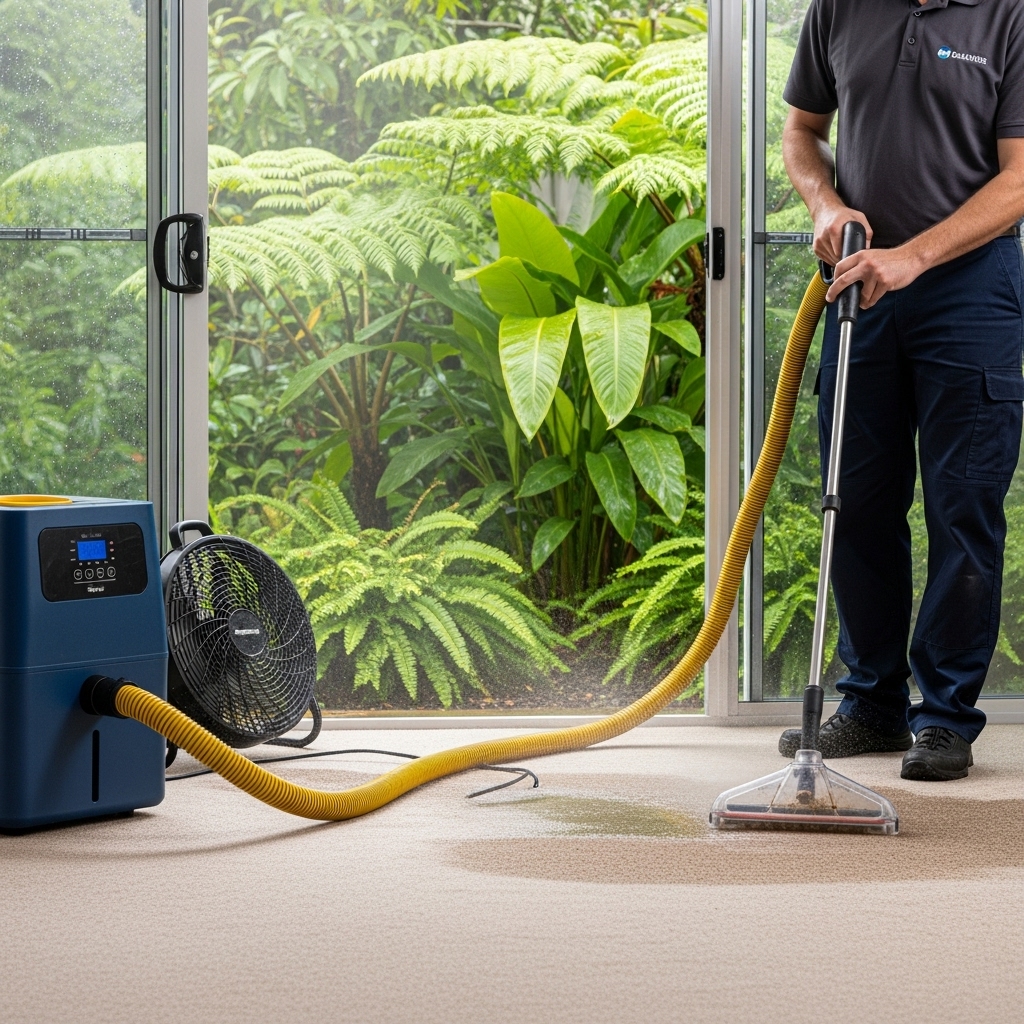
In everyday conversation, many people use the term “steam carpet cleaning” to describe hot water extraction, a leading method for deep-cleaning residential and commercial carpets. In Tampa, Florida, where humidity, sand, and sudden rainstorms are routine, understanding what this method can and cannot do helps you choose wisely. The right approach keeps carpets looking better for longer, supports healthier indoor air, and reduces the risk of recurring spots or lingering dampness. As you evaluate options for your home or business, look for providers who explain their carpet cleaning process in clear, practical terms and tailor drying strategy to Tampa’s climate.
Hot water extraction uses heated water and cleaning solutions that are injected into the carpet and then recovered with powerful vacuum. When executed by trained technicians, it flushes out embedded soils, sticky residues, and allergens that routine vacuuming cannot remove. The process often includes preconditioning to loosen soils, agitation to increase contact, careful rinsing, grooming to align fibers, and active air movement to support drying. Because the method is capable and adaptable, it is widely recommended by manufacturers for many synthetic carpets.
Pros of hot water extraction in Tampa
Deep soil removal is the standout advantage. Over time, grit and oils bond to fibers, particularly in traffic lanes near entries. Extraction, paired with effective preconditioning and agitation, breaks those bonds and recovers the loosened soils. Another benefit is residue control. With a balanced rinse and thorough recovery, technicians can remove detergents and soils that might otherwise attract dirt and make carpets look dull quickly.
Allergen reduction is another plus. Dust, dander, and particulates accumulate in carpet and can be captured and flushed during extraction. When combined with regular vacuuming and good filtration, this contributes to improved indoor air quality. The method also pairs well with targeted spot and stain treatments, offering a platform for advanced corrections when dyes, rust, or other specialty stains are present.
Adaptability matters in Tampa’s varied buildings. From single-family homes to high-rise condos and busy offices, extraction can be scaled with portable equipment or truck-mounted systems. Skilled technicians manage temperature, pressure, and moisture to suit the fiber, backing, and site conditions.
Cons and limitations to weigh
Moisture management is the primary concern in humid climates. Over-wetting, inadequate extraction, or poor airflow can lead to long dry times, potential odor, or browning. These risks are minimized by experienced technicians who use controlled passes, balanced chemistry, and active drying. Still, the method is not set-and-forget; it demands attention to detail.
Wick-back is another limitation. If a spill penetrated below the surface—into backing or cushion—moisture during cleaning can draw subsurface residues upward, causing a spot to reappear as the carpet dries. Thorough extraction and, when needed, targeted post-treatments reduce this risk, but some situations require follow-up service.
Fiber sensitivity must be respected. Wool and certain blends can be cleaned with extraction, but they need lower temperatures, controlled pH, and gentle handling. An untrained operator can cause color shift or texture distortion. Likewise, some installation types—like certain loose lay or poorly stretched carpets—may respond better to low-moisture methods until issues are corrected.
Alternatives and complements to extraction
Low-moisture encapsulation dries fast and is excellent for maintaining a bright appearance between deeper cleans. Polymers surround soils and are removed in subsequent vacuuming. In commercial settings, this can be scheduled frequently to keep traffic lanes looking sharp without disrupting operations.
Bonnet cleaning uses absorbent pads to transfer surface soils. While it can improve appearance rapidly, especially on some commercial carpets, it is best viewed as part of a maintenance plan rather than a stand-alone deep-cleaning solution. Dry compound systems distribute a slightly moist absorbent that is brushed into the carpet and then vacuumed out; these can be useful in moisture-sensitive environments or when downtime must be minimal.
Most facilities and households benefit from a hybrid approach: routine low-moisture maintenance for appearance and periodic extraction for a thorough reset. The combination respects both the need for uptime and the reality that soils accumulate below the surface over time.
What a thoughtful extraction process looks like
The best outcomes begin with inspection and dry soil removal. Vacuuming first prevents mudding and improves overall efficiency. Preconditioning solutions are matched to soil type—oily, particulate, or protein-based—and allowed proper dwell time. Agitation with brushes or grooming tools increases contact. The rinse step uses balanced chemistry and well-controlled water to flush and recover soils. Finally, grooming and air movement promote uniform drying and a tidy appearance. In Tampa, attention to airflow—ceiling fans, HVAC circulation, and portable air movers when appropriate—ensures carpets are ready for use as soon as possible.
Communication with the client is crucial. Technicians should set expectations about what will improve and what might remain due to wear, dye loss, or abrasion. They should also provide clear aftercare instructions: when to walk on the carpet, how to protect it during the drying window, and when to resume vacuuming.
How Tampa’s climate shapes decisions
Afternoon thunderstorms and persistent humidity mean your drying plan is as important as the cleaning method. In open-air homes or spaces where windows are often used, humidity can slow evaporation. In these cases, air conditioning and targeted air movement often outperform open windows. Entryways near outdoor recreation areas may accumulate sand; in those zones, consider more frequent vacuuming and periodic pile lifting to remove bound particulates that reduce luster.
Odor management can also be climate-driven. Warm, humid air intensifies smells, so prompt attention to spills and periodic deep cleaning help keep rooms fresh. For pet-friendly households and businesses, professional assessment ensures that treatment addresses the full source, not just surface symptoms.
When to prefer extraction and when to choose alternatives
Choose hot water extraction when carpets have visible traffic lanes, embedded sand or soil, sticky residues from past cleaning products, or when allergy relief is a priority. Newly acquired homes or spaces that have not been cleaned in a while often benefit from a full reset via extraction. Conversely, choose low-moisture methods when you need rapid turnaround, have moisture-sensitive environments, or want to maintain appearance between deeper cleans. Many Tampa businesses rotate methods seasonally to match weather patterns and occupancy demands.
Preparing for service and maximizing results
Before the appointment, clear small items, secure pets, and note specific concerns like recurring spots or odors. Plan for access and parking if a truck-mounted unit will be used. After cleaning, follow drying guidance, walk in clean socks or shoe covers for the first hours, and replace furniture protectors as instructed. Resume vacuuming within a few days to remove any remaining particulates and keep fibers standing tall.
Frequently Asked Questions
Q: Does steam mean actual steam? A: In carpet care, the term commonly refers to hot water extraction rather than literal steam. Some vapor may be visible, but the cleaning power comes from heated water, chemistry, agitation, and strong vacuum recovery.
Q: How long does it take to dry in Tampa? A: With proper extraction and airflow, many areas dry within hours. Dense fibers, thick cushion, or limited ventilation can extend that time. Your technician will tailor the plan to the day’s weather and your space.
Q: Can extraction damage my carpet? A: When performed by trained technicians with balanced chemistry and controlled moisture, it is safe for most carpets. Problems arise from over-wetting, incorrect products, or inadequate drying—all avoidable with good practice.
Q: What about recurring spots after cleaning? A: Wick-back can occur if contamination resides below the surface. Careful extraction, appropriate moisture levels, and targeted post-treatments reduce the risk. Sometimes a follow-up is needed for severe cases.
Q: Are low-moisture methods as effective? A: They are excellent for maintaining appearance and drying quickly but are not a complete substitute for periodic deep extraction. Most spaces benefit from both approaches over time.
Q: How should I prepare before the team arrives? A: Remove small items, secure valuables, communicate specific concerns, and plan safe pathways. Good preparation speeds the visit and improves outcomes.
Q: Do eco-conscious products work with extraction? A: Many modern formulations are highly effective and designed for safety when used correctly. The key is technician expertise, proper rinsing, and adherence to manufacturer guidance.
Bring clarity to your cleaning choice
Choosing a method is not about buzzwords; it is about outcomes, downtime, and the realities of Tampa’s climate. Hot water extraction delivers deep results when moisture is controlled and drying is prioritized. Low-moisture options keep appearances high between resets. If you are ready to refresh your home or business with a plan that matches your needs and schedule, book professional carpet cleaning with a trusted local provider today.