When Tampa homeowners start researching chimney cleaning, questions naturally turn to what influences the overall investment and how to plan smartly. While every home and system is different, you can understand the full picture by looking at the work involved, the condition of your components, the type of fireplace or stove, and local factors such as humidity, storms, and roof access. This guide explains the elements that shape value, what is typically included, and how to compare providers thoughtfully. If you are beginning your evaluation, it helps to read a comprehensive overview and compare reputable options for chimney cleaning so you can make a confident choice.
What the service generally includes
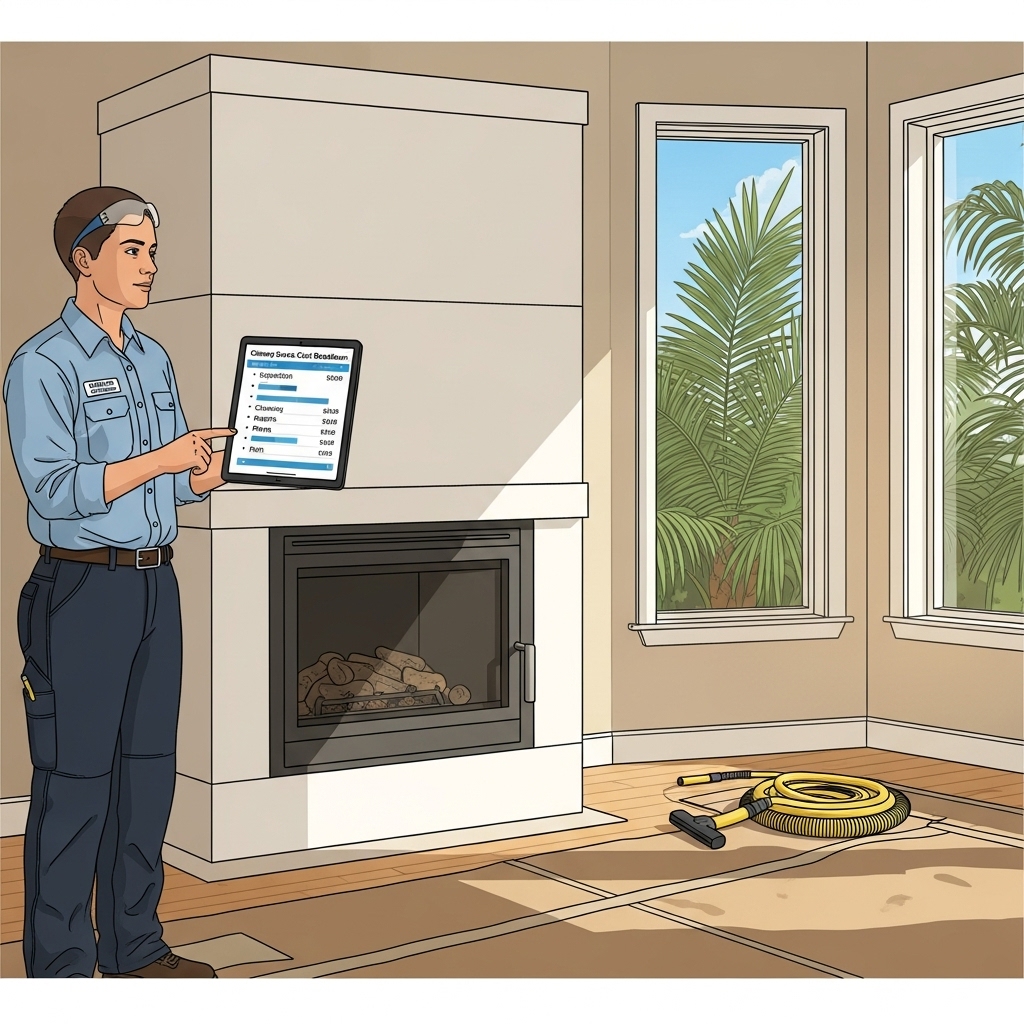
A complete appointment often pairs a detailed inspection with the physical cleaning of the flue, smoke chamber, and firebox. Technicians protect floors and furnishings, set up high-filtration vacuums, and select the correct brushes and rods for your liner. They check the cap, crown, and flashing for moisture pathways and ensure dampers open and close freely. The visit concludes with findings, photos, and practical recommendations that support safety and performance tailored to Tampa’s climate.
Key factors that affect the overall investment
- System type and complexity: Masonry fireplaces, prefab units, and stove inserts each require different techniques, tools, and time.
- Condition and buildup: The amount and type of deposits, plus any blockages from wildlife or storm debris, influence the effort required.
- Roof and access: Steep pitches, delicate materials, and multi-story configurations add safety steps and careful setup.
- Moisture exposure: Humidity and wind-driven rain can age components faster, prompting more thorough inspections.
- Documentation needs: Photo reports and homeowner education add value by clarifying what was found and why it matters.
Understanding different fireplace and chimney types
Masonry systems typically include clay flue tiles and mortar joints that benefit from careful brushing and visual checks. Factory-built fireplaces use listed components that must remain intact and compatible. Wood and pellet stoves have distinct deposit patterns that require tailored tools. Gas fireplaces produce fewer soot deposits but still need ventilation checks and verification of unobstructed caps and terminals. Your system type sets the baseline for the procedures your technician will use.
How Tampa’s climate influences maintenance
Humidity encourages clingy deposits and can interact with residues to create odors in warm months. Storms blow leaves and palm fronds into caps, while salt air can accelerate surface wear on metal components. A thorough appointment anticipates these conditions, inspecting not only the flue but also exterior parts that shield your chimney from weather. Proactive care helps you avoid moisture troubles that can quietly shorten component life.
What a thorough inspection looks like
Expect a structured process: a walkthrough to learn your concerns, setup with protective coverings, and a methodical inspection and cleaning. Technicians use rods and brushes sized to your flue, check the smoke shelf and damper, clear the cap, and verify that the flue path is unobstructed. They document findings so you can understand the state of your system and plan sensible maintenance for the year ahead.
Value is more than a quick sweep
A speedy visit that misses small but important details can be costly in the long term. The true value of a professional appointment lies in thoroughness, documentation, and tailored advice. An experienced eye catches patterns—like signs of moisture near the crown, hairline mortar changes, or a cap that could be better suited to stormy winds—that might escape a casual glance. Investing in quality now supports safer fires and fewer surprises later.
Comparing providers with a clear framework
- Clarity: Do they describe their process, from protection to inspection, in detail?
- Communication: Are arrival windows, preparation steps, and follow-up reports explained?
- Equipment: Do they use high-filtration vacuums and purpose-built brushes for your liner type?
- Local familiarity: Can they speak to Tampa-specific concerns like humidity, storms, and roof materials?
- Education: Will they answer questions and share maintenance tips customized to your usage?
Timing your appointment
Late spring and late summer can be advantageous for scheduling because calendars are more flexible and weather allows for thorough exterior checks. After major storms, consider a follow-up to ensure the cap and exterior components remain secure and the flue is free of debris. If you entertain during cooler months, planning ahead ensures your system is ready.
Documentation that supports long-term planning
Good notes and photos turn a single appointment into a long-term plan. With a clear record, you and your technician can track subtle changes, verify the effectiveness of past recommendations, and make informed decisions about care, all tailored to your home’s age, fireplace type, and seasonal usage patterns.
The role of usage and fuel choice
Frequent fires, especially with resinous woods or smoldering burns, naturally lead to more deposits. Switching fuel types or adding an insert changes airflow and can alter where residues collect. Even low-deposit gas systems benefit from occasional verification that ventilation paths are clear and components are in good condition. Your habits shape the maintenance rhythm as much as the hardware itself.
Safety, cleanliness, and respect for your home
Professional teams prioritize dust control with floor coverings and careful isolation of the work area. High-filtration vacuums reduce particulate spread, and technicians take care when moving equipment through your home. Good communication about setup and teardown makes the visit smoother and keeps your living space as clean as it was before the appointment.
How to get the most value from your visit
- Share any smoke odors, draft issues, or recent changes to your system upfront.
- Ask to see photos and request plain-language explanations of findings.
- Discuss seasonal habits—how often you burn, what wood you use—so advice is targeted.
- Set a reminder for your next check based on usage rather than the calendar alone.
Middle-of-the-road expectations
Most homes fall into a predictable pattern: a careful inspection with cleaning, minor exterior observations, and clear tips for maintaining healthier fires in Tampa’s humidity. The real differentiator between experiences is not how fast the sweep takes place, but how complete the assessment is and how well the results are explained so you can make informed decisions going forward. If you want a simple path to a well-performing fireplace, consider scheduling professional chimney cleaning with a provider that emphasizes education and documentation as much as the cleaning itself.
Common misconceptions
- “Gas fireplaces never need attention.” Even low-residue systems require ventilation checks and component assessments.
- “I rarely burn, so I can skip cleaning.” In Tampa’s climate, humidity and windblown debris still warrant periodic inspection.
- “All visits are the same.” System type, roof access, and environmental exposure make each appointment unique.
Preparing your home
Provide clear paths from the entry to the hearth and, if needed, to roof access points. Avoid fires for at least a day before the visit so deposits are cool. Put pets in a quiet room and share any concerns you have noticed, like chimney odors after storms or minor smoke spillage on windy nights. Preparation ensures your technician can focus on a smooth, efficient process.
Measuring value without guesswork
Because every home is different, the most reliable way to measure value is to define your expectations. If you want clean, clear logs and minimal odors, say so. If your priority is pre-holiday peace of mind, ask for a checklist that verifies safe draft and unobstructed airflow. Aligning your goals with the visit makes the outcome feel evident: you can see and smell the difference when the system is properly maintained.
Frequently asked questions
Q: How often should I schedule maintenance?
A: Usage and local conditions drive the interval. Tampa’s humidity and seasonal storms make regular attention wise, even for occasional use, to confirm that ventilation remains clear and dry.
Q: Does a gas fireplace need the same attention as wood-burning systems?
A: The procedures differ, but both benefit from periodic inspection. Gas units need checks for unobstructed terminals and healthy components, while wood systems focus on flue deposits and cap condition.
Q: Can a single visit address odors in warm weather?
A: Often, yes. Cleaning and vent path verification reduce odors, and technicians can suggest airflow or cap improvements suited to Tampa’s climate.
Q: What if my roof is steep or made of delicate materials?
A: Professionals adapt with the right ladders, anchors, and footwear. Many systems can be serviced primarily from the interior when conditions warrant.
Q: Will the visit be messy?
A: Proper containment keeps your living spaces clean. Floor coverings and high-filtration vacuums are standard practice for quality-focused teams.
Q: Can I delay maintenance if I barely use the fireplace?
A: Even with light use, storms and humidity justify periodic checks to prevent unnoticed blockages and moisture effects.
Plan your next step with confidence
When you are ready to move forward, choose a Tampa provider that explains the process clearly and treats your home with care. Schedule your next chimney cleaning with a team committed to thorough inspection, neat workmanship, and friendly guidance tailored to our local climate.