If you have never booked a chimney cleaning service in Tampa, Florida, you might be wondering exactly what happens before, during, and after the appointment. A clear understanding helps you prepare your home, ask the right questions, and get the most from the visit. In our humid, storm-prone region, professionals focus on safety, cleanliness, and moisture-aware inspection as much as on the sweep itself. As you explore your options, it can be helpful to read a complete overview and compare reputable providers for chimney cleaning so you know what a thorough experience should look like.
Before the visit: Scheduling and preparation
Quality service starts with communication. When you schedule, you should receive a clear arrival window, preparation tips, and a brief explanation of what is included. The best teams ask about your system type, recent usage, and any concerns like odors or draft issues. They may advise you to avoid fires for at least 24 hours before the appointment so deposits are cool. Preparing a small cleared area around the hearth and planning pet arrangements help the visit run smoothly.
Arrival and home protection
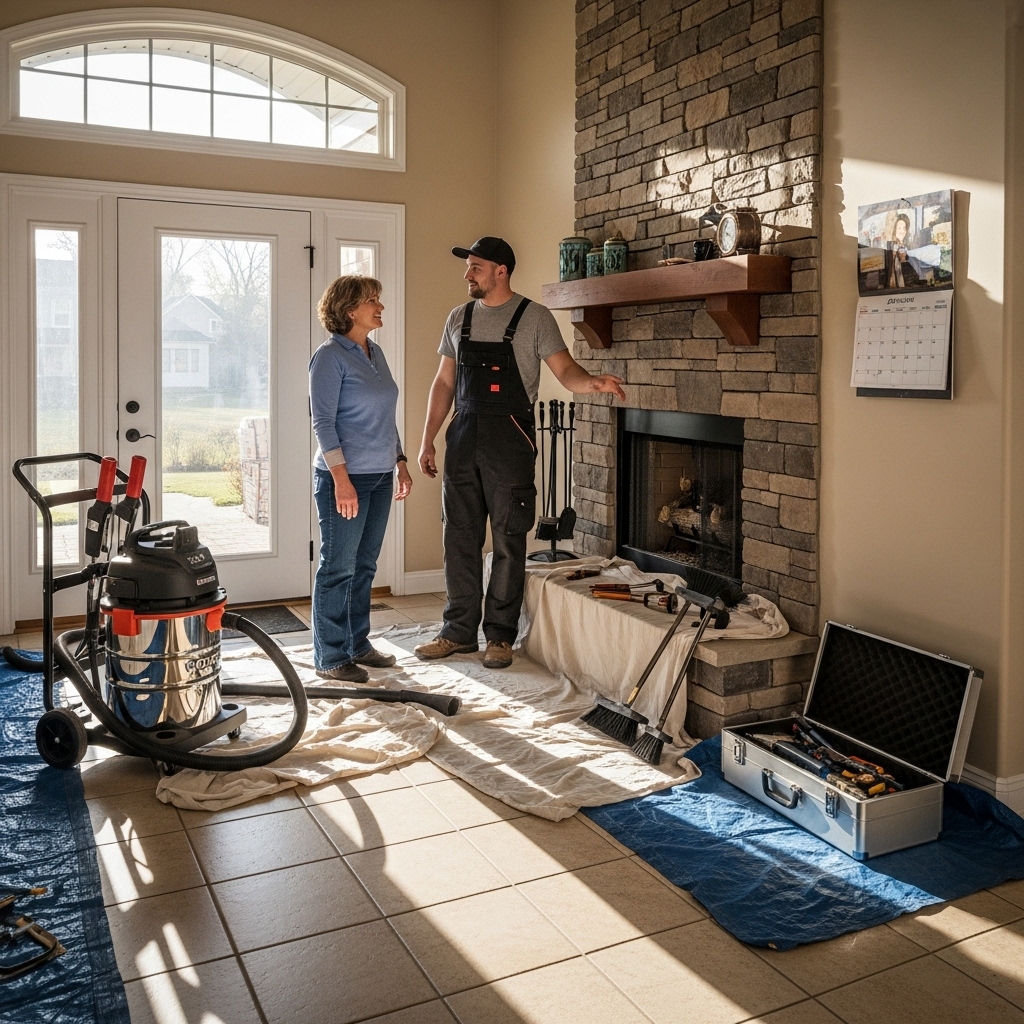
On the day of service, technicians arrive with protective coverings, high-filtration vacuums, and toolkits matched to your system. They greet you, confirm your goals, and place floor coverings from the entry to the hearth. Containment is critical: by isolating the work area and using proper vacuums, professionals keep soot and fine particulates out of your living spaces. You should feel confident that your home will be as tidy after the visit as before.
Inspection overview
Expect a structured assessment that looks at the firebox, damper, smoke chamber, and flue. The technician examines the cap and crown, checks for debris, and verifies that the flue path is clear. If safe and suitable, they may evaluate from both the interior and exterior to gain a complete picture. The goal is to identify conditions that affect safety, airflow, or moisture control before proceeding with sweeping.
The sweeping process
Depending on your system, the technician may sweep from the bottom up, the top down, or both. Flexible rods and brushes sized to your flue clean the interior surfaces, while high-filtration vacuums collect loosened soot. The smoke shelf and firebox get detailed attention, and any accessible connector pipes or offsets are carefully addressed. This methodical approach ensures residues are removed and potential trouble spots are revealed for discussion.
Tampa-specific considerations
Our climate introduces unique variables. Humidity can interact with deposits to create stubborn odors during warm months. Storms deposit leaves and palm fronds, and wind-driven rain can find its way past aging flashing or crowns. A thorough Tampa service includes exterior checks for moisture pathways and cap integrity, recognizing that preventing water entry is as important as clearing soot.
Communication during the visit
Good technicians explain what they find in plain language. If they notice unusual deposits, small signs of moisture, or changes in draft, they will show you photos or point out details in person. You should feel informed throughout, not just at the end. When you understand the why behind each observation, you can make confident decisions about care and maintenance.
What changes with different system types
Masonry fireplaces rely on flue tiles and mortar joints, which the technician evaluates for wear. Prefab systems include listed components that must remain undamaged and correctly matched. Wood and pellet stoves can concentrate deposits in specific areas, and gas appliances—though low in soot—still need verification of unobstructed ventilation. Your technician adapts tools and methods to match the system, ensuring effective cleaning without unnecessary risk to components.
Cleanliness and respect for your home
Professional teams pride themselves on neat work. Expect careful placement of tarps, padded tool trays, and vacuums with high-efficiency filters. They will manage hose routes and cord placement to avoid trip hazards and protect flooring. Before packing up, they will remove all coverings and leave the area just as they found it, with no lingering dust or debris.
How long it takes
Time varies with system type, build-up, and access. What matters most is that your provider allocates enough time to inspect, clean thoroughly, and answer questions without rushing. A balanced schedule leaves room for clear explanations and homeowner education, which are key to long-term satisfaction.
What homeowners should do after the visit
After cleaning, follow the technician’s guidance on fireplace habits and seasonal care. Store wood in a dry area, open the damper fully before lighting, and provide adequate make-up air in tighter homes. Keep an eye out for changes in odor after storms or unusual downdrafts in windy weather. A little attention goes a long way in Tampa’s climate.
Documentation and follow-up
Quality providers deliver photos or a written summary of findings. This documentation builds a history you can compare year over year. If recommendations are made—such as improving a cap style to resist wind-driven rain—record them, and plan checks after major storms. The goal is to maintain a stable, well-ventilated system that performs reliably when you need it.
Comfort and indoor air quality benefits
Beyond safety, a clean system supports better draft and a fresher-smelling home. Fires light more easily, flames burn brighter, and smoke is less likely to linger. Families sensitive to particulates will often notice the difference around the hearth and nearby surfaces. Continuous small improvements in venting add up to a more enjoyable living space.
When to schedule in Tampa
Many homeowners book in spring or late summer to avoid the winter rush and to check for storm-related debris. If you host gatherings during cooler months, plan your appointment early, allowing enough time for any follow-up checks. Scheduling a consistent annual interval in our climate helps minimize surprises during the holidays.
Middle-of-the-journey advice
Halfway through your research, you might be weighing DIY against a professional visit. Consider the complexity of flue paths, offsets, and material compatibility, as well as the specialized equipment involved. For a complete assessment paired with a thorough sweep, scheduling professional chimney cleaning provides clarity and convenience, especially when storms and humidity add variables that are hard to evaluate without experience.
Tips for everyday fireplace habits
- Burn seasoned hardwoods and avoid smoldering fires.
- Open the damper fully and ensure adequate room ventilation.
- Keep the hearth area clear and store wood off the ground in a dry location.
- Check the cap visually after major storms to ensure it sits properly.
- Note any new odors or changes in draft and share them at your next appointment.
What not to expect
A reputable visit will not include pressure to authorize unrelated work or rushed explanations that leave you confused. You should never feel in the dark about what is being done and why. The emphasis remains on safety, cleanliness, and empowering you with knowledge.
Frequently asked questions
Q: Do gas fireplaces need cleaning and inspection?
A: Yes. Gas systems still require ventilation checks, verification that terminals and caps are unobstructed, and a quick look at components such as logs, burners, and glass.
Q: How messy is the process?
A: With proper containment, the process is tidy. Technicians use floor coverings and high-filtration vacuums to keep dust controlled.
Q: What if wildlife is present?
A: Professionals handle nests and animal blockages with care and can recommend cap solutions to prevent future entry.
Q: How should I prepare my home?
A: Clear a few feet around the hearth, avoid using the fireplace for at least a day beforehand, and secure pets. Share any concerns like odors or draft changes.
Q: Can I be present during the inspection?
A: Absolutely. Many homeowners appreciate seeing photos and discussing findings in real time.
Q: Will the visit address moisture concerns?
A: Tampa-focused providers pay special attention to caps, crowns, and flashing to help reduce water entry and the odors associated with humidity.
Make your next appointment count
If you want a clean, informed, and respectful experience from start to finish, book your next chimney cleaning with a Tampa team known for clear communication and careful workmanship. With the right preparation and a knowledgeable professional, you can enjoy safer, easier fires in every season.