
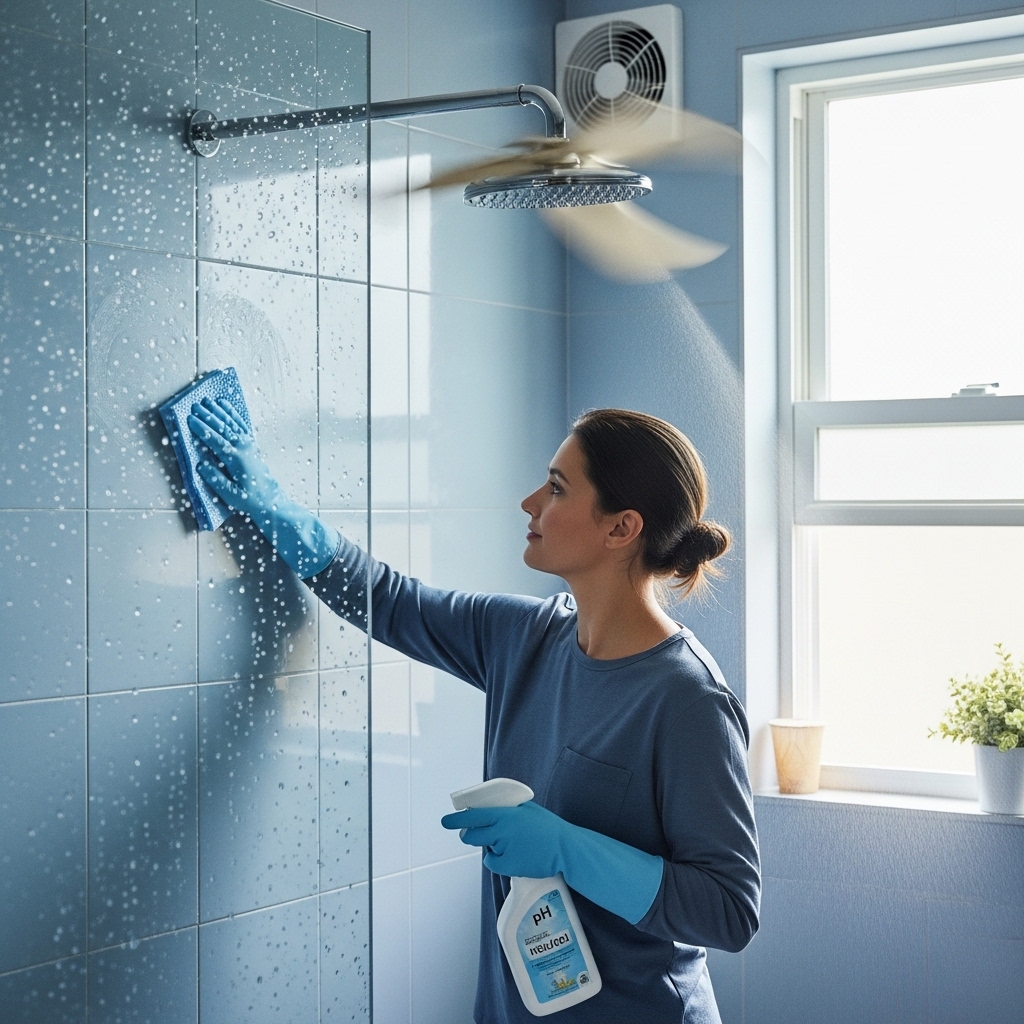
If you’re new to caring for tile and grout in Tampa, Florida, you might feel overwhelmed by streaks, stubborn stains, and recurring mildew. Don’t worry—most problems have straightforward fixes once you understand their causes. This troubleshooting guide walks you through the most common issues, explains what’s happening, and shows how to resolve them without harming your surfaces. To build a solid foundation, start with fundamental principles of tile cleaning so your efforts enhance, rather than degrade, the look and durability of your floors and walls.
Problem: Streaky Floors After Mopping
What’s happening: Residue from concentrated cleaners, dirty rinse water, or slow drying in Tampa’s humidity leaves streaks and a cloudy film.
Fix it: Dilute cleaners according to the label, use a two-bucket method (clean and rinse), swap rinse water frequently, and improve airflow for faster drying. Microfiber mops lift soils better than sponge or string mops and leave less water behind.
Problem: Grout Stays Dark Even After Scrubbing
What’s happening: Grout is porous and can hold oils, pigments, and soap film. Aggressive scrubbing can wear the surface without lifting embedded soils.
Fix it: Pre-treat with a grout-safe cleaner and give it dwell time. Agitate with a medium-bristle grout brush, rinse, and dry. If discoloration persists, consider professional extraction or grout color sealing.
Problem: Soap Scum in Showers
What’s happening: Soap and body oils combine with minerals in water, creating a sticky film on tile and glass.
Fix it: Use a soap-scum remover safe for your surface and allow dwell time. Agitate gently with a non-scratch pad, rinse thoroughly, and squeegee daily to prevent rapid return.
Problem: Mildew or Mold in Damp Areas
What’s happening: Warm, moist environments—common in Tampa bathrooms—support microbial growth, especially in grout lines and corners with limited airflow.
Fix it: Increase ventilation, run fans during and after showers, and deep clean with an oxygenated cleaner formulated for grout. Rinse well and dry. Persistent growth may indicate a leak or insufficient sealing.
Problem: Hazy Film After Sealing
What’s happening: Excess sealer dried on tile faces or insufficient wiping left a residue, creating a hazy look.
Fix it: Use the sealer manufacturer’s recommended remover or a compatible solvent to gently lift the haze. Work in small sections and wipe promptly. Prevent future haze by buffing off excess immediately during application.
Problem: Efflorescence (White Powdery Deposits)
What’s happening: Mineral salts are migrating to the surface as moisture evaporates, often in showers, patios, or near plumbing.
Fix it: Ensure thorough drying after cleaning, improve ventilation, and identify moisture sources. Use a mineral deposit remover safe for your tile type; avoid acids on natural stone.
Problem: Persistent Odors Around Tile
What’s happening: Trapped moisture under mats, in grout, or behind caulk can harbor odors.
Fix it: Clean under rugs, ensure drains and caulk are intact, and dry thoroughly after deep cleaning. Replace old caulk where mold has penetrated.
Problem: Scratches or Dullness on Glossy Tile
What’s happening: Grit acts like sandpaper. Using abrasive pads or mopping before vacuuming can create micro-scratches that dull shine.
Fix it: Always remove dry soil first and switch to non-abrasive pads. Use felt pads under furniture and place mats at entries to intercept grit.
Beginner-Friendly Routine
- Dry Sweep or Vacuum: Capture grit before any wet work.
- Apply Neutral Cleaner: Choose a pH-neutral, surface-appropriate formula.
- Dwell and Agitate: Give cleaner time to work; scrub lightly with microfiber and a grout brush.
- Rinse in Sections: Replace rinse water often to prevent residue.
- Dry Quickly: Fans and airflow help avoid streaks and mildew.
- Inspect and Seal: Address repairs and reseal as needed for easier future cleaning.
When DIY Isn’t Enough
Signs you may need help include grout that won’t brighten despite proper dwell, recurring mold after good ventilation, or efflorescence that reappears quickly. Professional equipment and targeted chemistry can extract soils your home tools can’t reach and can restore grout color and protective barriers.
Frequently Asked Questions
Q: Can I use vinegar to cut soap scum?
A: Vinegar can etch natural stone and degrade some sealers. Use a surface-safe product instead, especially on marble, travertine, or slate.
Q: How often should a beginner deep clean?
A: Weekly mopping and a monthly grout focus are a solid start. Adjust frequency based on traffic and visible buildup.
Q: What’s the easiest way to prevent streaks?
A: Proper dilution, clean rinse water, and quick drying. Microfiber mops help, too.
Q: How do I handle sand from the beach?
A: Vacuum first, then mop. Place mats at entries and shake them out frequently.
Q: Do I need to seal ceramic or porcelain?
A: The tile faces are typically dense, but grout benefits from sealing. Natural stone may also require sealing per manufacturer guidance.
Take the Guesswork Out of Tile Care
With a clear troubleshooting plan and a few reliable tools, beginners in Tampa can solve most tile issues quickly and avoid repeat problems. If you hit a stubborn case or want a head start on restoration, partner with trusted tile cleaning pros who tailor solutions to local conditions and your home’s specific surfaces. You’ll gain confidence—and floors and showers that look refreshed day after day.