
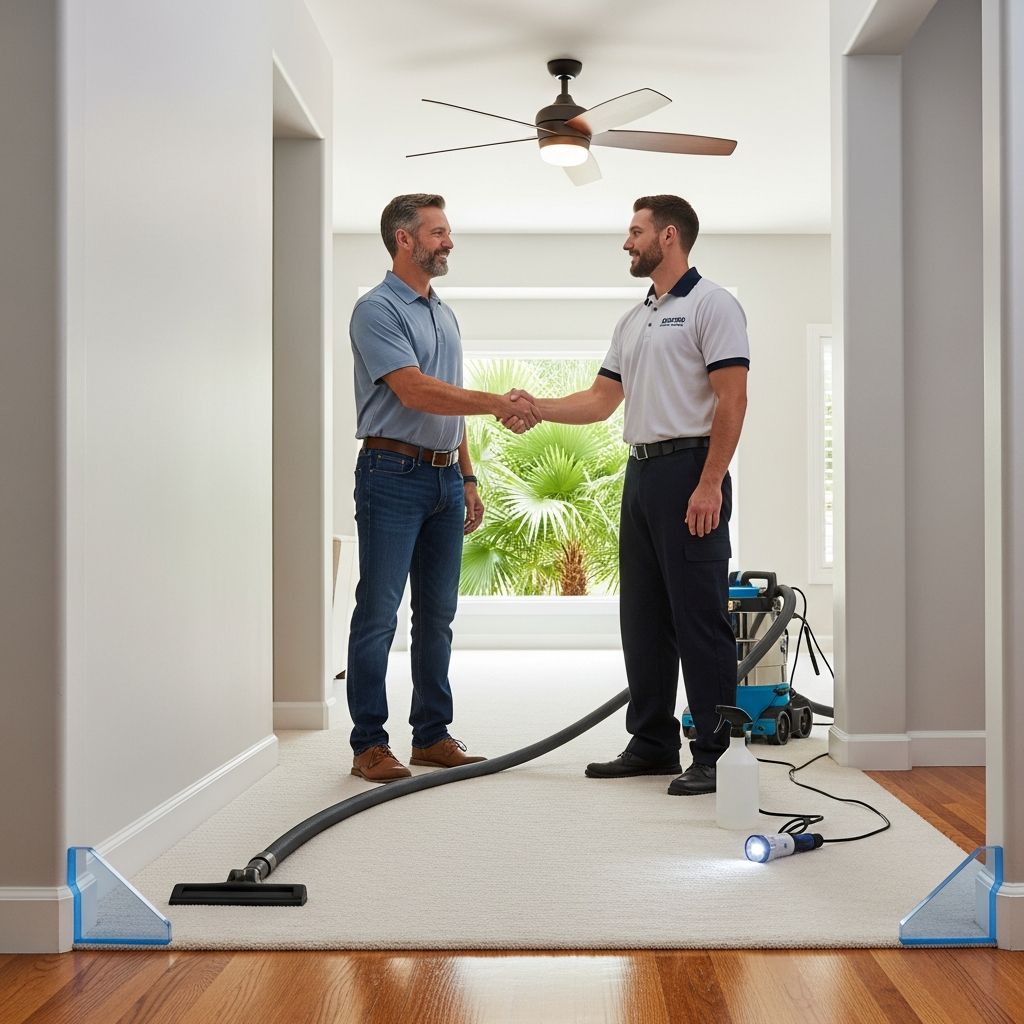
Choosing the Right Carpet Cleaning Professional in Tampa
Searching “carpet cleaning near me” in Tampa reveals a long list of results, but not all services are created equal. Your carpets experience beach sand, summer humidity, and daily family life, so the technician you invite into your home should combine solid training, reliable equipment, and a clear plan for drying in a coastal climate. To help you make a confident choice, this guide covers the questions to ask, standards that matter, and red flags to avoid—plus why a trusted provider of professional carpet cleaning can make such a difference in results and long-term carpet health.
Quality carpet care in Tampa is about more than appearance. It is also about indoor air quality, odor control, and the feel of the fibers underfoot. The right cleaner will evaluate your carpet construction, traffic patterns, and previous spot treatments, then tailor chemistry and technique to your unique home. You should expect transparency, careful preparation, and a commitment to drying your carpet thoroughly the same day.
Key Factors That Separate True Pros
- Assessment First: A walk-through should precede any work. Pros note fiber type, problem areas, and pre-existing issues.
- Method Mastery: Hot water extraction (steam cleaning) remains a manufacturer-recommended method for many carpets when executed with balanced chemistry and strong extraction.
- Dry Soil Removal: Thorough vacuuming before wet cleaning prevents turning grit into mud and protects fibers from abrasion.
- Targeted Chemistry: Pretreatments should match soil profiles—oily kitchen soils, tracked-in sand, or pet accidents.
- Rinse and Extraction: A balanced rinse leaves fibers soft and residue-free, while high-lift vacuums remove moisture efficiently.
- Drying Strategy: Air movers, HVAC guidance, and grooming reduce dry times and wicking—vital in Tampa’s humidity.
Questions to Ask Before You Book
- What method do you use, and why is it right for my carpets?
- How do you handle pet accidents, traffic lanes, and recurring spots?
- Do you perform a pre-vacuum and use corner guards and floor protection?
- What steps ensure fast, safe drying in humid weather?
- Which fiber-safe products do you use for delicate materials like wool?
- Can you explain your process from arrival to final inspection?
Evidence of Expertise
Look for a technician who explains fiber types, soil conditions, and pH balance without jargon. They should discuss expectations openly, including what results are likely for stubborn stains. Organized tools, clean hoses, and protective gear like shoe covers and corner guards signal a professional mindset. Ask about training and continuing education; staying current on chemistry and equipment advancements helps deliver superior outcomes.
Why Tampa Conditions Demand a Pro’s Touch
In coastal Florida, humidity and sand are a constant. Sand granules behave like micro-abrasives that dull carpet fibers over time. Humidity complicates drying and can reactivate odors if moisture lingers. The best professionals build their service around these realities: robust extraction, judicious water use, balanced rinses, and airflow management. They also emphasize routine maintenance to prevent soil load from reaching a point where cleaning becomes harder and results diminish.
Understanding Methods: Steam Cleaning and Beyond
Hot water extraction is the go-to method for deep cleaning because it removes both suspended soils and residues. Encapsulation has value for interim maintenance, especially in commercial settings, where fast dry times are critical. Bonnet methods can refresh surface appearance but are rarely the best choice for residential deep-clean cycles. A seasoned pro recommends methods based on carpet type, soil level, and your goals.
Reviews, References, and Guarantees
While online reviews are useful, dig deeper: Look for patterns in comments about communication, punctuality, and long-term results. Ask for references if you have specialty needs like wool, staircases, or heavy pet issues. A clear satisfaction policy indicates accountability. It does not replace due diligence, but it shows a service is prepared to address concerns promptly.
Preparation and Access: What You Can Do
- Clear Small Items: Move toys, lightweight décor, and floor-level electronics.
- Vacuum if Possible: Even a quick pass reduces dry soil before the pro arrives.
- Identify Spots: Share the history—coffee, wine, pet accident—so the tech can match the chemistry.
- Secure Pets: Ensure a calm space with doors free for hoses and airflow.
During the Visit: Signs the Work Is Top-Tier
Expect a methodical approach: pre-vacuum, pretreat, agitate where needed, rinse and extract, spot treat, groom, and speed-dry. You may see distinct lines between cleaned and uncleaned sections as the process progresses. A pro will check transitions to hard floors, protect corners, and keep hoses tidy. Communication continues throughout—if a stain resists full removal, you will hear a clear explanation of why and what to expect after drying.
Midway Checkpoint: The Side-by-Side Reveal
About halfway through, cleaned sections should look brighter and feel lighter underfoot. This is often the moment homeowners realize how much soil had accumulated. If indoor air feels fresher already, it is because removing embedded soils and residues also helps reduce the stuff that contributes to musty, sticky air in humid Tampa summers. If you have been debating whether professional carpet cleaning is worth it, the mid-clean reveal tends to settle the question.
Aftercare and Maintenance
- Airflow: Keep fans and HVAC running until carpets are dry to the touch.
- Grooming: A quick rake pass helps fibers dry evenly and look uniform.
- Vacuuming: Resume routine vacuuming within a day or two to keep soils from accumulating.
- Entry Mats: Add or refresh mats to capture sand and moisture at the door.
Red Flags to Avoid
- No Inspection: Jumping straight to cleaning without a walk-through.
- Residue-Heavy Products: Overuse of soaps that leave sticky films and attract dirt.
- Over-Wetting: Excessive water with weak extraction that prolongs dry times and risks wicking.
- Vague Processes: Unclear steps, tools, or expectations.
Frequently Asked Questions
Q: How often should I hire a pro in Tampa?
A: Most homes benefit from deep cleaning every 6–12 months, more often with pets, kids, or high humidity challenges.
Q: Will hot water extraction damage my carpet?
A: When properly executed, it is safe and recommended for many carpet types. Careful pressure and heat control, plus thorough extraction, protect fibers.
Q: Can I stay in the home during cleaning?
A: Yes. Technicians work in stages, and you can coordinate room access. Keep pets and kids clear of hoses and damp areas.
Q: How long until the carpet is dry?
A: With strong extraction and airflow, typically within hours. Running AC and fans speeds the process, especially in summer.
Q: Do I need to move all my furniture?
A: Clear small and fragile items. Many services can shift lighter furniture and protect legs after cleaning.
Q: What if a stain returns later?
A: That may be wicking. A post-clean touch-up or controlled re-clean of the area often resolves it.
Your Home, Your Standard—Make the Confident Choice
Cleaner carpets feel better, look brighter, and support healthier indoor air. Choose a professional who treats your home like a system—fiber, chemistry, airflow, and care routines working together. When you are ready to refresh your spaces and enjoy reliable results, schedule expert carpet cleaning and welcome guests to a home that looks and feels its best.