
Introduction: A Dual Checklist Built for Tampa Conditions
Cleaning and inspection are two halves of the same chimney safety routine, especially in a humid, storm-prone city like Tampa. Cleaning removes soot, creosote, and debris that restrict airflow; inspection reveals the condition of parts that keep moisture out and smoke moving in the right direction. When you combine them into a single, methodical visit, you end up with better performance and a clearer picture of your fireplace’s health. If you want an expert to handle both in one smooth appointment, arrange professional chimney cleaning with technicians who understand local weather and building characteristics.
As you work through this checklist, pay special attention to how water could move in or through the chimney. Tampa’s frequent downpours, coastal humidity, and gusty winds amplify small defects. A cap that is slightly misaligned in a drier climate may cause persistent odors here; a hairline crack in the crown might quickly widen after a week of storms. A careful, combined approach ensures you do not miss what matters most.
Interior Cleaning and Inspection Steps
Begin at the hearth. Remove cooled ash, stray soot, and any leftover debris from prior fires. Vacuum with a fine-particle filter to contain dust. Check refractory panels for hairline cracks and mortar joints for gaps. Note any smoke staining on the surround or mantle, which could indicate draft issues. Operate the damper; it should move smoothly and seal well. In Tampa’s humidity, light rust is common—record it and plan for lubrication or part evaluation if motion is stiff.
Shine a flashlight up the throat and into the flue to gauge the type and thickness of residue. Powdery soot signals lighter accumulation; flaky creosote or, more concerning, hard, shiny glaze requires more intensive attention. If you see anything glossy or tar-like, plan on professional removal techniques.
Brush the smoke chamber and smoke shelf thoroughly. These are hotspots for debris collection, especially after blustery weather. Work carefully to avoid damaging parging that smooths the chamber and improves flow. Vacuum dislodged material promptly so it does not re-adhere in the humid air.
Flue Brushing and Verification
Use a brush sized correctly to your liner and proceed with measured, overlapping strokes from top to bottom or bottom to top as your setup allows. Add or remove rods gradually and avoid forcing the brush if you encounter snags. Pause periodically to check progress with a light. In Tampa’s climate, residues can feel tacky on damp days; if brushing smears more than it clears, schedule a follow-up on a drier day or call in a professional for alternate methods.
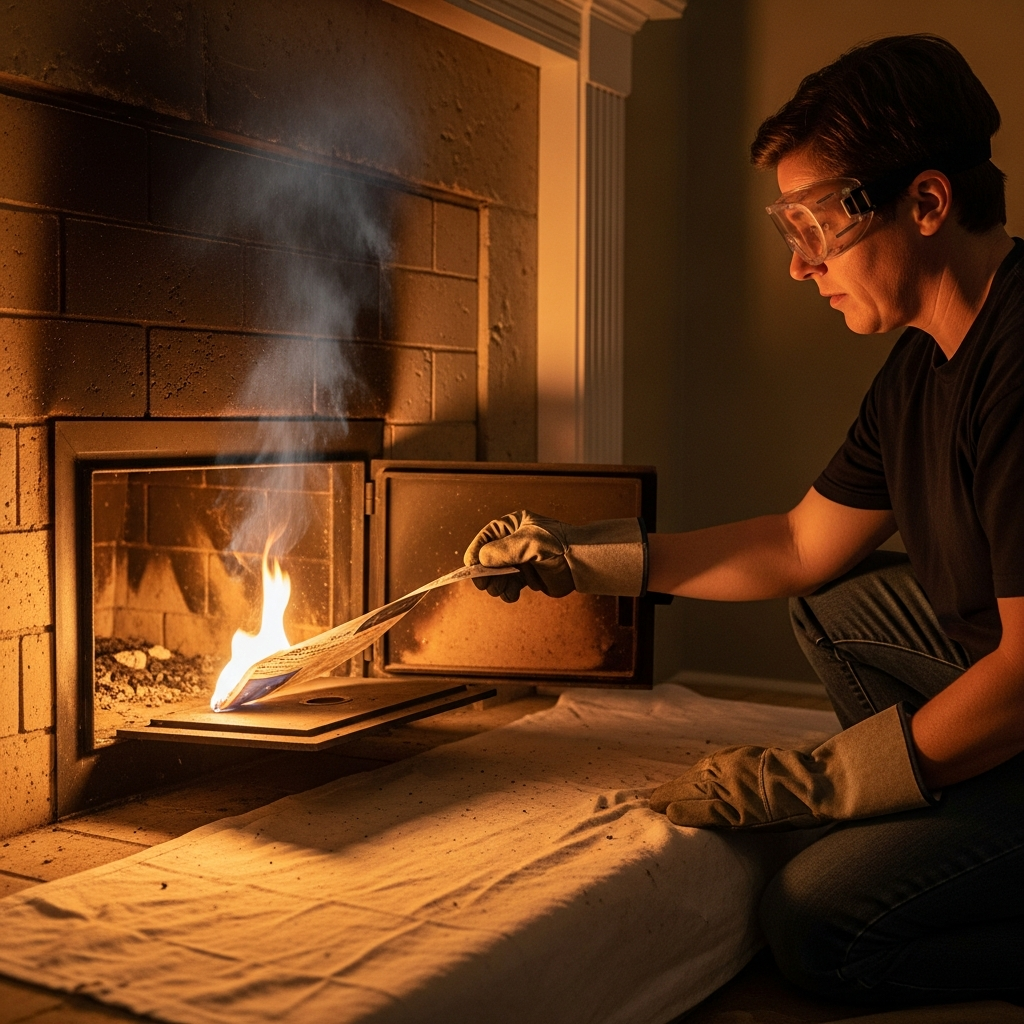
After brushing, verify draft. With the damper open, hold a small, lit roll of newspaper near the opening and observe how quickly smoke moves up the flue. Slow movement may point to lingering debris, negative pressure inside the house, or a flue still cool after rain. Document results for your records.
Exterior Inspection: Crown, Cap, Masonry, and Flashing
Move outdoors and look at the chimney from multiple angles. Inspect the crown for cracking, spalling, or signs of water pooling. Confirm the cap is secure and that screening is intact to deter wildlife and leaves. Tampa’s salty air can speed corrosion on metal components; note any rust on caps, chase covers, or fasteners. Examine flashing where the chimney meets the roof and look for gaps, lifted edges, or deteriorated sealant. Even small faults can let in wind-driven rain.
Evaluate the condition of brick, mortar joints, or siding around a prefabricated chase. Efflorescence (white, powdery deposits) indicates water movement through masonry. Trim nearby branches that could scrape or press against the chimney during storms. A clear perimeter supports faster drying and reduces the chance of debris accumulation.
Moisture Control and Odor Prevention
Moisture is a defining factor in Tampa chimney care. A well-fitted cap and intact crown are your first defenses. A top-sealing damper can improve both energy efficiency and odor control by limiting humid air entry during long off-seasons. Indoors, keep the firebox clean and dry; bag and remove ash promptly, and do not leave damp rags or tools inside the firebox. If you notice musty smells on hot afternoons, review your notes about recent storms, cap condition, and damper seal. Addressing these items often resolves the odor without drastic measures.
Operational Tests During the Heating Season
When you start using the fireplace, pay attention to startup behavior. A properly cleaned and inspected system should draft quickly and burn with lively flames. If smoke lingers or spills, pre-warm the flue by briefly holding a small flame near the opening. Persistent issues warrant a professional reassessment for blockages or pressure imbalances caused by exhaust fans or a very tight home envelope.
Documentation and Scheduling
Maintain a simple log of dates, observations, and photos. Note the type of residue you saw, any corrosion, and how the system drafted after cleaning. Schedule inspections ahead of the cool season so you are not competing for appointments. In Tampa, consider an extra quick check after a major storm, especially if you suspect that high winds or debris might have affected the cap or flashing.
Professional Partnership: What to Expect
Working with a qualified technician adds specialized tools and safety practices to your routine. They may use cameras to evaluate the liner, perform smoke tests, and recommend targeted improvements like better caps or top-sealing dampers. They understand how Tampa’s humidity and storms stress components and can time maintenance to your actual use. If your goal is to combine safety, cleanliness, and convenience, periodic professional chimney cleaning and inspection is the most efficient path.
Frequently Asked Questions
How often should I combine cleaning and inspection? At least once a year for most homes, more often if you burn frequently or experienced storm-related issues.
What is the difference between soot and creosote? Soot is powdery and easier to remove; creosote can be flaky or hardened and shiny. The hardened form requires specialized removal due to increased risk.
Why does my chimney smell worse after rain? Water interacting with residues produces strong odors, and negative pressure indoors can push those smells into living spaces. A tight damper and a good cap help.
Can gas systems skip the inspection? No. Gas creates fewer residues but still demands vent integrity checks and corrosion monitoring in humid climates.
What are signs of wildlife intrusion? Twigs, feathers, sudden draft changes, and noises from the flue or cap area. Use screened caps and call a professional for humane, legal removal.
Does summer humidity affect metal parts? Yes. It can accelerate rust on caps, dampers, and chase covers. Regular checks and prompt attention extend component life.
Ready for a Safer, Cleaner Chimney?
If you want a streamlined, Tampa-smart approach that leaves no step undone, schedule combined inspection and professional chimney cleaning. With local expertise guiding the process, your system will draft better, resist moisture problems, and deliver the reliable comfort you expect whenever cool weather returns.