
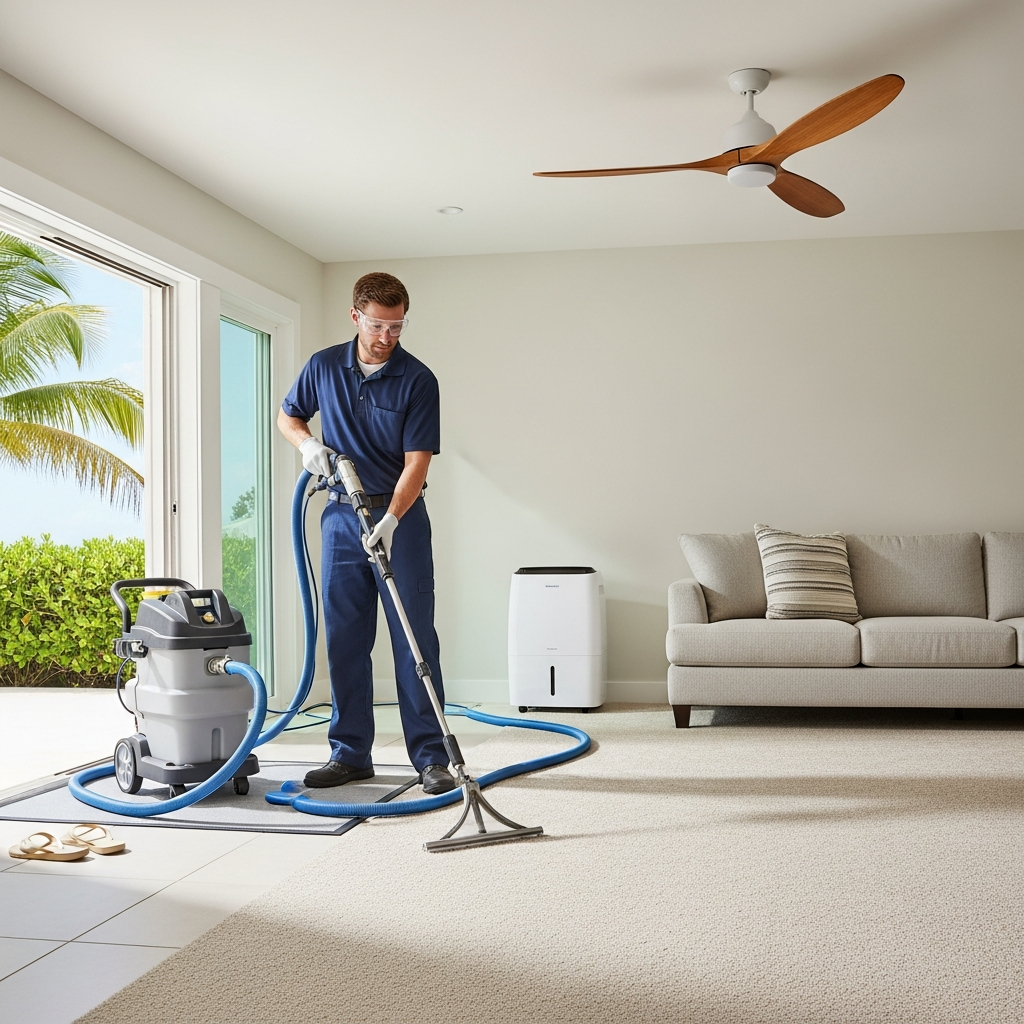
Tampa homeowners know that a comfortable, healthy home begins from the ground up. Between sandy shoes from the beach, afternoon showers that track in moisture, and high humidity that can encourage allergens, local carpets endure a lot. Understanding how to maintain, protect, and rejuvenate your carpet is essential to keeping your home fresh and welcoming. This comprehensive guide walks you through the essentials of professional services, popular cleaning methods suited to the local climate, how to prepare for a visit, what to expect afterward, and how to keep your carpets looking their best in between professional appointments.
In the sections below you will learn how different fibers respond to moisture, which techniques excel in Tampa’s weather, and how to decide on the right cadence for deep cleanings. You will also find practical checklists you can use immediately to prep your space and care for your carpets post-service. If you are ready to explore professional options, many homeowners start with trusted providers offering high-quality carpet cleaning that align with Tampa’s climate demands and daily wear.
Why Tampa’s Climate Makes Carpet Care Unique
Warmth, humidity, and frequent rain create a perfect storm for carpet challenges. Moist air can slow drying times when you clean, and sudden showers mean more dirt and organic material are tracked inside. In coastal communities, fine sand acts like sandpaper on fibers, reducing luster and accelerating wear. Airborne pollen from seasonal blooms can settle deep into the pile, and pets that enjoy the outdoors may bring in additional debris. The good news: a tailored maintenance plan—combining regular vacuuming, spot care, and periodic professional treatment—can prevent these factors from shortening your carpet’s lifespan.
Fiber type further shapes your approach. Solution-dyed synthetic fibers typically resist fading and many stains but can still accumulate oily soils. Natural fibers offer luxurious feel and breathability but can be more sensitive to moisture and certain spot treatments. Understanding your carpet’s construction—cut pile, loop, or cut-loop—and backing materials helps you and your technician select an effective, fiber-safe method.
Overview of Professional Carpet Cleaning Methods
While all reputable methods aim to remove soils and refresh texture, each technique suits specific needs. No single approach is best for every situation; the right choice depends on fiber type, soiling level, time constraints, and sensitivities in the household. Below are the most common approaches you will encounter in Tampa homes.
- Hot Water Extraction (commonly called “steam cleaning”): Uses heated water and a rinse solution that, paired with powerful extraction, lifts deep soils, allergens, and residues. Often recommended for restorative cleaning or households with pets and allergy concerns.
- Low-Moisture/Encapsulation: Applies a polymer solution that surrounds soils, which are later removed by vacuuming. Great for maintenance cleanings when quicker drying is desired, helping reduce downtime in humid climates.
- Bonnet/Pad Cleaning: A rotary pad absorbs light soil from the surface. Useful for quick appearance improvement on lightly soiled carpets, though not a deep-clean method.
- Dry Compound: Uses absorbent granules to capture soil, then a vacuum removes both. Minimizes moisture and is a good option for moisture-sensitive fibers or when immediate use is important.
- Shampooing: An older method that can help with certain appearance issues but may leave residues if not combined with proper rinsing and extraction.
Your provider will weigh drying time, level of soiling, and fiber sensitivity to recommend a plan. In Tampa’s humidity, strong air movement and dehumidification during and after cleaning are especially valuable for faster, more complete drying.
How Often Should Tampa Homeowners Schedule Service?
Frequency is not one-size-fits-all. Consider the following factors:
- Foot Traffic: Active households, kids, and pets increase tracked-in soils and require more frequent cleanings.
- Allergy Considerations: Families sensitive to pollen, dust, or dander often benefit from more regular deep cleaning to help reduce triggers.
- Color and Construction: Lighter colors show soil faster; looped constructions can hide debris but still benefit from periodic deep extraction.
- Warranty Requirements: Some manufacturers require professional cleanings at set intervals to maintain coverage.
For many Tampa homes, a strategic plan includes seasonal vacuuming goals, prompt spot care, and a professionally guided cadence—often every 6–12 months for active homes, with touch-up low-moisture maintenance as needed.
Preparing for a Professional Visit
Preparation streamlines the visit, protects your belongings, and enhances results. Use this checklist prior to your appointment:
- Declutter: Pick up toys, cables, and small items to provide clear access.
- Light Furniture: Move small pieces or decorative items if you plan to have furniture shifted.
- Pet Plan: Secure pets in a safe space to reduce stress and ensure technician focus.
- Pre-Vacuum: A thorough vacuum lifts dry soil so cleaning agents can focus on bonded grime.
- Point Out Concerns: Identify spots, traffic lanes, or odor areas so the technician can pre-treat them.
- Parking & Access: Reserve a nearby space for equipment access, especially during wet weather.
What to Expect During the Cleaning Process
- Inspection and Fiber Identification: The technician confirms carpet type, inspects seams and backing, and tests for colorfastness.
- Dry Soil Removal: Commercial-grade vacuuming extracts grit that would otherwise turn to muddy residue during wet steps.
- Pre-Treatment: Targeted solutions loosen oily soils and address specific spots and traffic lanes.
- Agitation (as needed): Gentle brushing or mechanical agitation works chemistry deeper into the pile for stubborn grime.
- Main Cleaning Method: The chosen technique—such as hot water extraction or low-moisture encapsulation—lifts and removes soil.
- Rinse/Neutralization: Balancing the carpet’s pH helps prevent re-soiling and preserves fiber feel.
- Spot Treatment: Remaining spots receive specialized attention appropriate for the stain type.
- Grooming: A carpet rake or brush sets the nap for even drying and a uniform appearance.
- Drying Acceleration: Air movers, ceiling fans, and HVAC dehumidification help speed drying in Tampa’s humidity.
- Final Walk-Through: You review results, address questions, and receive aftercare advice.
Stain Types and Smart Strategies
Understanding stain families helps you avoid spreading or setting the issue. Protein-based spills (food drips, dairy) may respond to enzyme-based spotters if used correctly. Tannins (tea, coffee) can be stubborn and require patience and the right chemistry. Coloring agents (juice, dye) often need targeted reducers. Oily residues from cooking or skin contact bind to fibers and attract more soil unless neutralized. For pet accidents, prompt blotting and appropriate enzyme products help break down organic matter, but deeper intrusion into the pad may require professional decontamination.
Always test any at-home spotter in an inconspicuous area. Blot—do not rub—to keep the stain from spreading or distorting the pile. When in doubt, document what caused the stain and share details with your technician so they can choose the right approach.
Pet-Friendly Cleaning in a Pet-Loving City
Tampa’s pet population is vibrant, and so are the carpets they live on. Pet hair, dander, and the occasional accident challenge cleanliness and indoor air quality. Reputable services employ pet-safe solutions, powerful extraction, and targeted odor control steps. Regular grooming of pets reduces shed and dander. A vacuum with a high-efficiency filter is a smart investment, and additional filtration in the home can further reduce airborne particles that settle into carpet.
Allergens, IAQ, and a Fresher Home
Carpets can trap allergens and fine dust, functioning as a filter for your living spaces. This is helpful when combined with proper maintenance. Regular vacuuming, prompt spot care, and periodic professional deep cleaning remove what the fibers have collected. Especially in Tampa’s warm, sometimes damp environment, combining thorough cleaning with adequate airflow and dehumidification offers the best path to a fresher, more comfortable home.
DIY Versus Professional: Making the Right Choice
Consumer machines can be helpful for small areas and quick touch-ups, but they often lack the heat, lift, and controlled rinse that professionals bring. Over-wetting is a common DIY pitfall, particularly risky in humidity because it can extend drying time and cause recurring spots. Professionals balance chemistry with effective extraction and air movement, achieving a deeper, safer clean in fewer passes.
Choosing a Service That Fits Your Home
Look for providers who perform a thorough pre-inspection, explain recommended methods, and offer fiber-safe chemistry options. Ask about drying strategies, including air movement and humidity control. Confirm that the company trains technicians to recognize different fiber types and understand Tampa’s climate-specific challenges. As you compare options, look for experience with pet issues, allergy-sensitive households, and high-traffic family rooms. In many cases, homeowners prefer professionals who use proven techniques like hot water extraction, low-moisture maintenance, or a smart combination of both for ongoing care.
Midway through your evaluation, revisit your goals: improved freshness, allergen reduction, and longevity for your carpets. If these are priorities, you may benefit from providers known for comprehensive approaches to carpet cleaning that emphasize fiber protection and quick, thorough drying tailored to Tampa’s humidity.
Aftercare: Drying, Grooming, and Ongoing Maintenance
Post-clean care is critical to preserving results. Keep foot traffic minimal until the carpet is fully dry. Increase airflow with ceiling fans, open interior doors, and run the HVAC fan or dehumidifier to reduce moisture in the air. If protective blocks or tabs were placed beneath furniture, keep them until the technician advises removal to prevent color transfer. Once dry, a quick vacuum and grooming pass lifts the pile and restores a uniform appearance.
For everyday maintenance, set a vacuuming routine that matches your lifestyle. Entryways benefit from more frequent attention, and washable door mats can reduce tracked-in grit. Treat spills promptly, and consider rotating area rugs to balance wear. For homes with kids or pets, scheduling interim low-moisture maintenance between deeper restorative cleanings keeps carpets both fresh-looking and hygienic.
Avoiding Common Mistakes
- Over-Wetting: Excessive moisture without adequate extraction can lead to long dry times and wicking. Professionals manage moisture carefully.
- Harsh Spotting: Strong, untested chemicals may bleach or set stains. Always spot-test and follow label directions.
- Skipping Pre-Vacuuming: Dry soil removal is essential; otherwise, cleaning can turn debris into muddy residue.
- Ignoring Manufacturer Guidance: Some fibers and backings have specific requirements—follow them to protect warranties and longevity.
- Rushing Dry Times: Walking on damp carpet can track new soil and crush the pile before it sets properly.
Creating a Year-Round Tampa Carpet Care Plan
Every household is different, but Tampa’s shared climate traits suggest a proactive plan: re-commit to entryway defenses, vacuum thoughtfully, choose periodic deep cleaning timed around high-use seasons, and embrace air movement strategies. Consider pairing major cleanings with home maintenance milestones—HVAC filter changes, storm-season prep, or post-holiday resets—so carpet care becomes part of a natural home rhythm.
Frequently Asked Questions
Q: How long does carpet typically take to dry in Tampa’s humidity? A: With effective extraction and good airflow, many carpets are dry the same day. Running fans and dehumidification speeds the process.
Q: Are all methods safe for homes with small children and pets? A: Reputable providers use solutions designed for residential safety and rinse thoroughly. Ask your technician about chemistry choices and ventilation during and after cleaning.
Q: Do I need to move all furniture? A: Many homeowners move small items and request cleaning around larger pieces. If you want items shifted, discuss options and protections in advance.
Q: Will professional cleaning remove all stains? A: Most improve significantly, and many disappear, but some permanent discolorations or dye-related issues may remain. Honest providers set clear expectations after inspection.
Q: How can I reduce allergens between visits? A: Vacuum regularly with a high-efficiency filter, maintain indoor humidity, change HVAC filters as recommended, and schedule periodic deep cleanings.
Ready to Refresh Your Carpets?
Your home deserves floors that look inviting and feel clean underfoot. If you want guidance tailored to your fiber type, lifestyle, and Tampa’s unique climate, reach out to a trusted local team. Schedule a convenient appointment and experience the difference that thorough, fiber-safe carpet cleaning can make for your home’s comfort and appearance.