
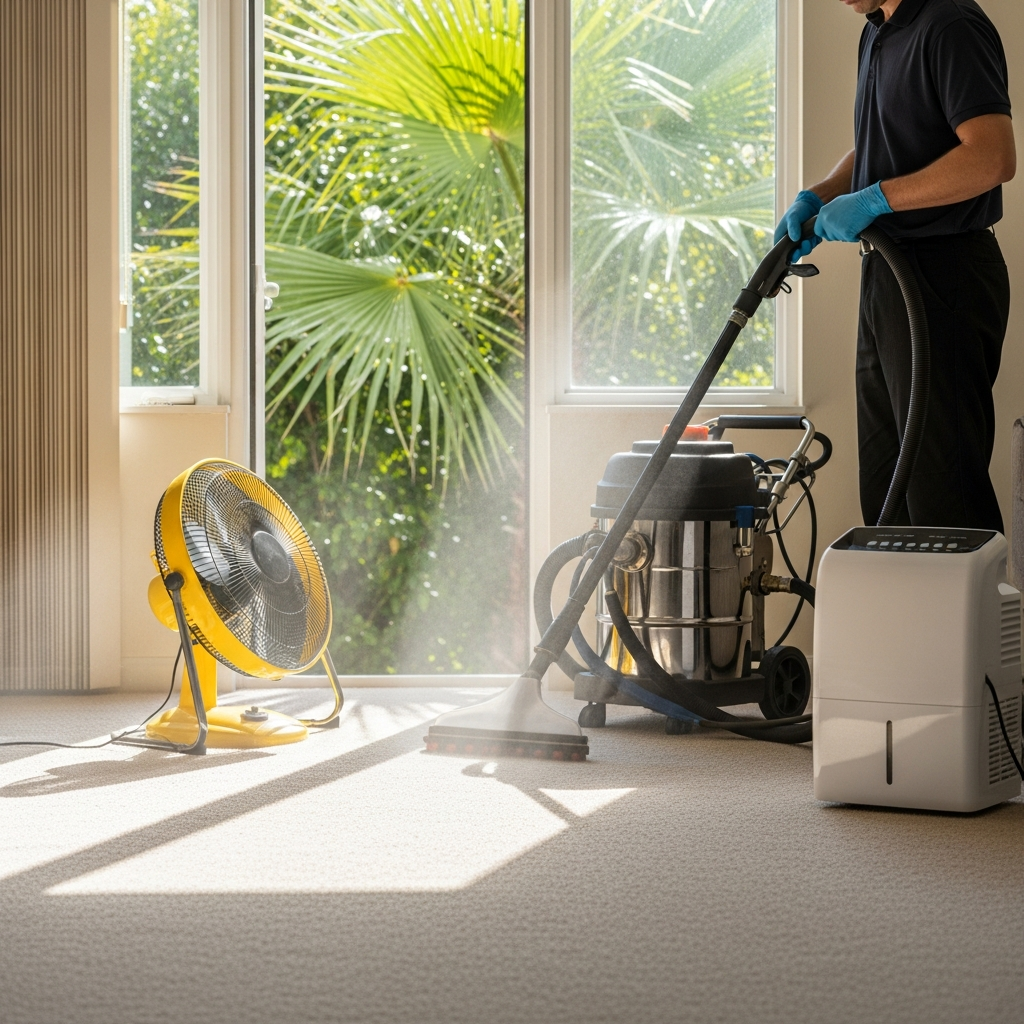
Tampa homes face a unique blend of sunshine, sea breeze, humidity, and sandy foot traffic that can work their way deep into carpet fibers. That is why steam carpet cleaning—often called hot water extraction—remains one of the most effective ways to restore freshness, remove embedded soil, and reduce allergens. If you are a Tampa homeowner comparing methods and planning your next maintenance cycle, this comprehensive guide walks you through what steam cleaning is, how to prepare for it, what to expect on cleaning day, and how to keep your carpets healthier longer. For those who prefer professional help, consider working with experienced carpet cleaning providers who understand Florida’s climate and the specific challenges it presents.
While regular vacuuming and spot treatment are essential, they cannot fully remove gritty soils, sticky residues, and microscopic contaminants that collect over time. Hot water extraction delivers heated water combined with carefully formulated solutions and powerful suction to flush out deeply embedded soil. When done correctly by trained technicians or diligent DIYers, steam cleaning brightens carpet appearance, refreshes texture, and reduces odors—especially important during Tampa’s muggy months when lingering moisture can otherwise encourage musty smells.
What Steam Carpet Cleaning Actually Does
Despite the name, hot water extraction does not rely on visible steam to clean. Instead, high-temperature water and a compatible cleaning solution are injected into the pile, loosening soils, oils, and allergens. Then, professional-grade equipment extracts the solution and contaminants, minimizing residue. The result is a thorough rinse that outperforms surface-only methods.
Because Tampa’s heat and humidity can slow the evaporation process, steam cleaning also demands smart drying strategies. Proper airflow, air conditioning, dehumidification, and post-cleaning grooming help fibers stand tall, dry faster, and resist re-soiling.
Tampa’s Climate: Why It Matters for Carpets
Homes near the Gulf Coast are exposed to high humidity and salt-laden breezes that affect both air quality and carpet maintenance. Fine sand tracked in from beaches and playgrounds acts like sandpaper on fibers, accelerating wear on traffic lanes. Humidity can bind dust to fibers and causes wicking, where stains seem to reappear as moisture migrates upward during drying. Steam cleaning, when paired with correct drying techniques, addresses these challenges by flushing out gritty soils and reducing residues that would otherwise attract moisture or dirt.
Seasonality matters too. In summer, Tampa homeowners may benefit from running air conditioning during and after a cleaning to maintain lower indoor relative humidity. In winter, open windows may help in short spurts, but AC or dehumidifiers still outperform ambient airflow. Planning your cleaning strategy around weather patterns helps carpets look better for longer.
DIY vs. Professional: Making the Right Choice
DIY machines from big-box stores can be helpful for occasional refreshes or small areas. They are portable, cost-effective for light needs, and straightforward to operate. However, they typically lack the heat, pressure, and suction power of truck-mounted or high-end professional portable units. Because insufficient extraction can leave excess moisture behind, Tampa homeowners who choose DIY should prioritize slow, overlapping vacuum passes and conservative solution application to prevent prolonged dampness.
Professionals bring specialized chemistry, powerful equipment, and experience diagnosing stains, fiber types, and installation issues. They are also adept at managing drying in humid conditions. If your carpets are heavily soiled, have recurring odors, or show widespread traffic patterns, professional support may provide better, faster results with less risk of over-wetting.
How to Prepare Your Home for Steam Cleaning
- Declutter floors: Remove toys, shoes, pet bowls, and loose items that slow cleaning or obstruct thorough passes.
- Secure delicate items: Clear side tables, move lamps, and ensure electronics are elevated or away from moist areas.
- Vacuum thoroughly: Dry soil removal is the foundation of excellent results—vacuum slowly and in multiple directions.
- Pre-treat known spots: Blot spills and apply a manufacturer-safe spotter. Avoid scrubbing, which can distort fibers.
- Plan airflow: Turn on HVAC, ceiling fans, and, when advisable, a dehumidifier to help accelerate drying in humid weather.
Pre-clean communication matters too. If hiring a technician, identify areas of concern, past spills, pet accidents, and fiber types. Provide guidance on access, parking for truck-mounted units if applicable, and any security gate codes or HOA rules that might affect logistics.
The Steam Cleaning Process Step by Step
- Inspection and testing: The technician examines fiber type, construction, stains, and seams. They may test for colorfastness or the presence of protectants.
- Dry soil removal: High-filtration vacuuming removes loose debris and grit that would otherwise turn to muddy slurry.
- Spot and pre-treatment: Targeted chemistry addresses specific stains, while a pre-spray loosens soil across traffic areas.
- Agitation: Mechanical or manual agitation helps lift stubborn dirt and distributes pre-spray evenly into the pile.
- Hot water extraction: Heavily soiled areas receive measured solution, followed by powerful extraction to remove soils and detergents.
- Neutralizing rinse: A balanced rinse reduces residue and helps restore fiber feel—critical for resisting rapid re-soiling in humid environments.
- Grooming: A carpet rake lifts pile and aligns fibers for uniform drying and appearance.
- Drying optimization: Air movers, AC, and dehumidification keep humidity in check and accelerate evaporation.
When executed carefully, this process can revive dulled traffic lanes, soften flattened fibers, and lighten many stains. Still, some issues—like dye loss, rust, or old set-in spills—may not fully disappear, but they can often be improved with advanced spot treatments.
Common Tampa Stains and Odors
Beach sand, summer fruit juices, sports drinks, coffee, tea, and pet accidents are frequent culprits. Tampa’s combination of heat and humidity intensifies odors if spills are not handled correctly. Blot—never rub—liquids promptly. Use an absorbent towel and apply pressure. For pet issues, specialized enzymatic solutions help break down urine components. Follow up with steam cleaning to rinse and extract residues, then deploy robust airflow to prevent persistent smells.
Wicking can make old spots reappear a day or two after cleaning. If this happens, lightly mist the area with clean water, blot, and place a stack of white towels weighted by a book to draw remaining moisture upward overnight.
Protecting Carpets After Steam Cleaning
- Limit foot traffic: Keep people and pets off damp areas until fully dry to avoid soils imprinting back into fibers.
- Use walk-off mats: Place quality mats at entries to capture sand and moisture before they reach carpet.
- Vacuum weekly: Multiple slow passes in different directions improve soil removal dramatically.
- Address spills fast: The sooner you blot, the better your chance to prevent permanent staining.
- Consider fiber protectants: Professionally applied protectants can help repel spills and reduce abrasion from gritty soils.
These steps extend the time between deeper cleanings, safeguard your investment, and keep rooms smelling fresher in Tampa’s humid season.
Choosing a Qualified Tampa Provider
When you need help beyond DIY, vet companies based on training, equipment, and local knowledge. Look for technicians who understand fiber types like nylon, polyester, triexta, and wool, and who can explain their pre-spray, agitation, extraction, and rinse steps. Ask about drying strategies in high humidity and how they handle recurring pet issues. Midway through your research, remember that partnering with local carpet cleaning specialists who tailor methods to Tampa’s climate can significantly improve results and reduce downtime.
Scheduling matters too. In busy households, plan cleaning when you can limit traffic for several hours. For larger homes, staggered appointments may help you keep certain areas open while others dry.
Mistakes to Avoid
- Over-wetting carpet: Too much solution combined with weak extraction can cause long dry times and odors.
- Skipping vacuuming: Pre-vacuuming is essential; otherwise, you risk turning dry soil into mud.
- Using the wrong chemistry: Some spotters set stains or remove color. Always pretest in an inconspicuous area.
- Ignoring airflow: In Tampa, drying is a priority—use AC and dehumidifiers aggressively after cleaning.
- Rushing traffic back in: Footprints and new soils can set into damp fibers, hurting appearance.
Steam Cleaning Frequency in Tampa Homes
Frequency depends on household size, pets, allergies, and lifestyle. As a general guideline, aim for vacuuming at least weekly and steam cleaning every 6–12 months for average use. High-traffic areas, homes with multiple pets, or residences near beaches may benefit from quarterly or biannual cleanings. If you see visible traffic lanes or smell persistent odors, that is your cue to schedule sooner.
Allergy sufferers often report improvement after hot water extraction because the process removes fine particulates that vacuums alone can miss. Coordinating with your HVAC filter changes and dusting routines can amplify these benefits.
Rooms and Fibers: Tailoring Your Approach
Living rooms and family rooms accumulate the highest soil loads. Bedrooms gather skin cells and dust but usually require less frequent deep cleaning unless pets sleep there. Stairs trap soils at the nose of each tread and may need special attention with slower, detailed extraction passes. For fibers, resilient nylons respond well to steam cleaning, while polyesters resist staining but can crush in high traffic and benefit from grooming. Wool requires lower temperatures and gentler chemistry; a professional versed in wool-safe methods is recommended.
Odor Management and Tampa Humidity
If odors linger after a basic cleaning, consider whether a pad contamination or subfloor moisture problem exists. Pet urine can soak through carpet to pad and even into the subfloor. In such cases, surface-only treatments will not suffice, and targeted subsurface flushes or pad replacement may be needed. Tampa homeowners should also monitor indoor humidity; even a clean carpet can smell musty if ambient air remains damp. Running AC in “dry” mode or adding a dehumidifier can be transformative.
Eco Considerations
Environmentally conscious homeowners often ask about solution safety. Reputable technicians can select detergents and rinses that are biodegradable and low in volatile compounds. Effective hot water extraction relies more on temperature, dwell time, and mechanical action than harsh chemistry. Communicate any sensitivities or household needs so the process can be tailored appropriately.
Frequently Asked Questions
Q: How long will my carpets take to dry in Tampa?
A: With good airflow and AC, many carpets dry within 6–12 hours. High humidity, dense piles, or heavy soiling can extend that window. Using dehumidifiers and running ceiling fans speeds the process significantly.
Q: Is steam cleaning safe for all carpet types?
A: Properly performed, hot water extraction is safe for most synthetic carpets. Wool and certain delicate fibers require modified temperature and chemistry. When in doubt, consult a trained technician and request a spot test.
Q: Can steam cleaning remove pet urine odors?
A: It can reduce or eliminate many pet odors, but severe contamination may require subsurface treatments, pad replacement, or sealing subfloors. Addressing both the surface fibers and underlying materials is key.
Q: How often should I schedule steam cleaning?
A: Average Tampa households benefit from every 6–12 months. Homes with pets, toddlers, beach sand, or allergy concerns may opt for more frequent service.
Q: Will hot water extraction leave sticky residue?
A: Not when done correctly. A quality neutralizing rinse and thorough extraction limit residues that cause rapid re-soiling.
Q: What about wicking and reappearing spots?
A: Wicking can occur if deep-set spills travel upward as carpets dry. Post-clean blotting with weighted white towels overnight often helps; stubborn cases may need a follow-up treatment.
Q: Should furniture be moved?
A: Many homeowners move small items and breakables ahead of time. Some providers will move standard furniture and place protective tabs under legs to prevent stains or rust marks during drying.
Q: Are there benefits for allergy sufferers?
A: Yes. Steam cleaning removes fine particulates, dust mite matter, and pollen more effectively than vacuuming alone, often yielding noticeable relief when combined with good HVAC filtration.
Ready for Refreshingly Clean Carpets?
Your Tampa home can look brighter, smell fresher, and feel healthier with a thoughtful steam cleaning plan tailored to our humid climate. Whether you schedule a professional visit or tackle a careful DIY, start with thorough vacuuming, choose the right chemistry, and make drying a priority. If you want seasoned support and consistent results, book your carpet cleaning today and enjoy the confidence that comes with a cleaner, more comfortable home.