
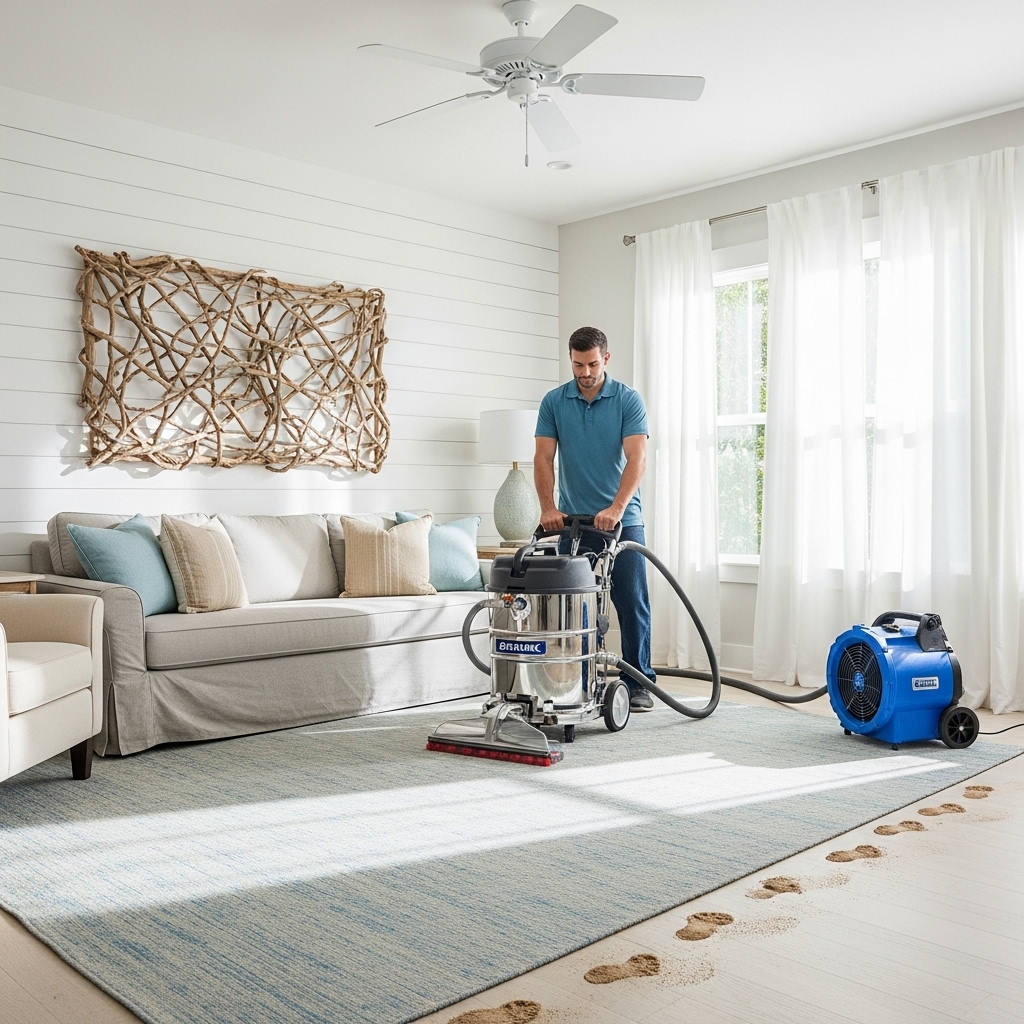
Searching for the best professionals to refresh your floors can feel overwhelming when there are so many options nearby. If you are trying to decide who to trust for thorough, reliable results, this guide will help you evaluate methods, credentials, and real-world performance so you can confidently book the right team. In the paragraphs that follow, you will learn how to compare techniques, understand common warranties, and prepare your home for a successful visit—plus how to keep your carpets cleaner for longer in Tampa’s humid, sandy environment. To set the tone from the start, remember that finding dependable carpet cleaning is as much about the process and people as it is about the equipment.
Tampa’s combination of coastal humidity, frequent rain, and fine sand tracked in from beaches creates a perfect storm for embedded soils and lingering odors. Homes and businesses across neighborhoods like Seminole Heights, Westchase, Hyde Park, Carrollwood, South Tampa, and New Tampa face similar challenges: high foot traffic, pet activity, and seasonal allergens. The right cleaner understands these local conditions and tailors techniques accordingly—spot treating traffic lanes, addressing pet areas, and balancing deep cleaning with appropriate drying strategies to help prevent musty smells.
What Makes a Tampa Carpet Cleaner “Best”?
“Best” depends on what matters most to you: deep soil removal, fast dry times, expertise with delicate fibers, eco-conscious solutions, or superior customer service. Look for a company that explains its methods plainly and backs its work with a meaningful satisfaction guarantee. Consider whether they invest in training and continuing education, especially with IICRC-aligned standards and fiber-specific techniques. Ask how they match chemistry to fiber type, because not all carpets or rugs respond the same way to detergents and temperatures.
In addition to technical skill, the best providers bring professionalism to every step: careful pre-inspections, realistic expectations, precise spot testing for colorfastness, and post-clean walk-throughs. They also offer practical maintenance advice you can apply immediately, from vacuuming schedules to entry mat strategies that reduce soil loading.
Understanding Methods: Hot Water Extraction, Low-Moisture, and More
Hot water extraction, often called steam cleaning, remains the most widely recommended deep-clean method for many residential carpets because it flushes soils from the pile and can remove sticky residues that cause rapid re-soiling. When performed correctly—using balanced heat, appropriate pressure, and controlled moisture—it yields thorough results. Low-moisture methods, including encapsulation, rely on specialized detergents that surround soils and allow them to be vacuumed out after drying. These approaches can be ideal for maintenance between deep cleans or for commercial spaces that require minimal downtime.
Bonnet cleaning and shampooing may still have a place in certain commercial contexts, but for most homes, the best outcomes come from either hot water extraction or a carefully designed low-moisture plan, depending on fiber, soil load, and drying needs. A top Tampa cleaner will explain why they recommend a particular method for your space and how they will safeguard your flooring, baseboards, and furnishings.
Fiber and Backing Considerations
Carpet performance depends as much on fiber and backing as on soil and traffic patterns. Nylon is durable and springy, polyester resists staining but may crush in heavy traffic, and wool requires gentler chemistry and temperature control. Backings vary in permeability and can influence drying times. An attentive technician tests inconspicuous areas, confirms colorfastness, and adjusts chemistry to avoid browning or wicking. They also understand when to slow down and make extra drying passes to reduce moisture accumulation in humid weather.
Dealing With Tampa’s Humidity
Humidity affects drying time and odor potential. The best teams use high-velocity air movers, proper extraction, and sometimes dehumidifiers to accelerate drying, especially during Florida’s muggy months. They manage airflow by recommending open interior doors, ceiling fan use, and HVAC adjustments to keep moisture moving out of the carpet and into the home’s conditioned air where it can be removed.
Pet Stains and Odors
Pet accidents can bond chemically to carpet fibers and backing. Effective odor remediation typically involves identifying the affected areas with UV or moisture meters, treating the subsurface when needed, and using enzyme- or oxidizer-based solutions in a targeted manner. The best companies present a tiered plan: surface treatment for recent incidents, deeper sub-surface flushing for recurring spots, and, if necessary, padding-related solutions when contamination extends below the backing.
Spotting vs. Staining: Setting Expectations
A “spot” is a foreign substance on the fiber; a “stain” is a chemical change to the fiber itself. While many spots come out with the right chemistry and dwell time, certain stains—especially those involving dyes, bleaches, or set-in pet issues—may be permanent. Top-tier cleaners explain this upfront and still work to minimize visual impact through advanced techniques and color repair where appropriate.
What To Do Before Your Appointment
- Pre-vacuum high-traffic areas to remove dry soils, which enhances the effectiveness of the cleaning.
- Move small items and breakables from surfaces, and pick up loose cables or toys to speed the process.
- Point out problem areas and describe what caused them; this informs product selection and testing.
- Secure pets and plan for some airflow after the cleaning to assist drying.
- Clear parking access so technicians can run equipment efficiently and safely.
What To Expect During the Visit
Professionals typically start with a pre-inspection, fiber identification, and spot testing. They may apply a preconditioner to break down oily soils and use agitation to distribute it evenly. After dwell time, they’ll flush and extract or proceed with the selected low-moisture process. Edges and corners receive special attention, and post-spotting addresses any remaining blemishes. Finally, grooming resets the pile, and air movers accelerate drying. You should receive aftercare guidance and realistic expectations for full drying under current Tampa weather conditions.
Keeping Carpets Cleaner for Longer
- Use walk-off mats at every exterior door; clean or vacuum them weekly.
- Vacuum thoroughly, especially traffic lanes, using slow, overlapping passes.
- Address spills immediately with blotting—never scrubbing—and a gentle, fiber-safe solution.
- Schedule periodic maintenance cleanings to prevent soil from cementing to fibers.
- Rotate area rugs and furniture to even out wear patterns and sun exposure.
Green and Family-Safe Approaches
Environmentally conscious cleaning focuses on products with low VOCs, careful measuring to avoid overuse, and powerful extraction to reduce residue. In homes with children, pets, or sensitive individuals, discuss fragrance-free or hypoallergenic options. The best cleaners are transparent about product ingredients and can tailor solutions to your comfort level while still achieving excellent results.
How to Compare Local Companies
- Training and certifications: Ask about ongoing education and method-specific training.
- Process clarity: The provider should explain step-by-step what will happen and why.
- Equipment investment: Well-maintained, professional-grade tools indicate commitment to quality.
- Reputation: Look for consistent praise for punctuality, communication, and post-service care.
- Guarantees: A clear, hassle-free guarantee demonstrates confidence and accountability.
Common Tampa-Specific Challenges
Beach sand can abrade fibers, causing dullness. Pollen and mold spores ride humid air into homes and settle in carpet, affecting those with allergies. Afternoon storms increase tracking of red clay or organic soils. A cleaner who understands these patterns will pre-treat traffic lanes more aggressively, add extra dry passes, and recommend maintenance intervals that suit your lifestyle and neighborhood conditions.
Middle-of-the-Journey Advice
If you have already tried DIY methods and still see reappearing spots, you are not alone. Wicking and residue are common causes of recurring issues. At this stage, a methodical professional approach—correct chemistry, controlled moisture, and thorough extraction—often solves what home machines cannot. When you are ready to upgrade from stopgap fixes, consider scheduling a professional carpet cleaning that includes pre-inspection, targeted stain work, and careful drying strategies to disrupt the cycle of recurring spots.
Area Rugs, Stairs, and Upholstery
Many homes in Tampa feature staircases, upholstered furniture, and rugs that require specialized handling. Stairs gather compressed soils at the nosing, and upholstery collects body oils that transfer back onto adjacent carpet. Coordinating these services in one visit maximizes results and helps keep all soft surfaces at a similar cleanliness level so one area does not re-soil another prematurely.
Aftercare and Drying Tips
- Keep foot traffic light until fully dry; use provided shoe covers if necessary.
- Run ceiling fans and the HVAC fan to move air across the carpet surface.
- Place aluminum or plastic tabs under furniture legs until moisture dissipates.
- Resume vacuuming after the first day to lift the pile and collect loosened soils.
- Spot treat spills promptly; reach out to your cleaner for guidance on tricky substances.
Frequently Asked Questions
Q: How often should I schedule professional service in Tampa’s climate? A: Frequency depends on household size, pets, and foot traffic. Many households benefit from a comprehensive cleaning once or twice per year, with interim maintenance for high-traffic zones.
Q: Are low-moisture methods as effective as hot water extraction? A: Both can be highly effective when matched to the right situation. Extraction excels at flushing heavy soils; low-moisture shines for maintenance between deep cleans or when downtime must be minimized.
Q: Will cleaning remove all odors? A: Most everyday odors respond well to proper cleaning and targeted treatments. Longstanding pet contamination or moisture issues may require deeper, layered solutions.
Q: How long does drying take in Tampa? A: Drying varies with humidity, airflow, and method. Expect faster results with strong extraction and active air movement.
Q: Can you guarantee every stain will come out? A: No ethical company can guarantee complete removal of permanent stains, but skilled technicians can significantly reduce their appearance and prevent them from worsening.
Choosing With Confidence
The best carpet cleaner near you in Tampa is the one that combines technical mastery with genuine care for your home. They explain options, respect your time, and deliver consistent outcomes. They also equip you with maintenance habits that extend the life and beauty of your flooring.
Ready for a Fresher Home in Tampa?
If you are ready to enjoy softer, brighter carpets and a healthier indoor environment, schedule a professional visit with a team that understands Tampa’s climate and common household challenges. Take the first step toward a cleaner, more comfortable home by arranging expert carpet cleaning today. With the right professionals, you will see and feel the difference in every room.