
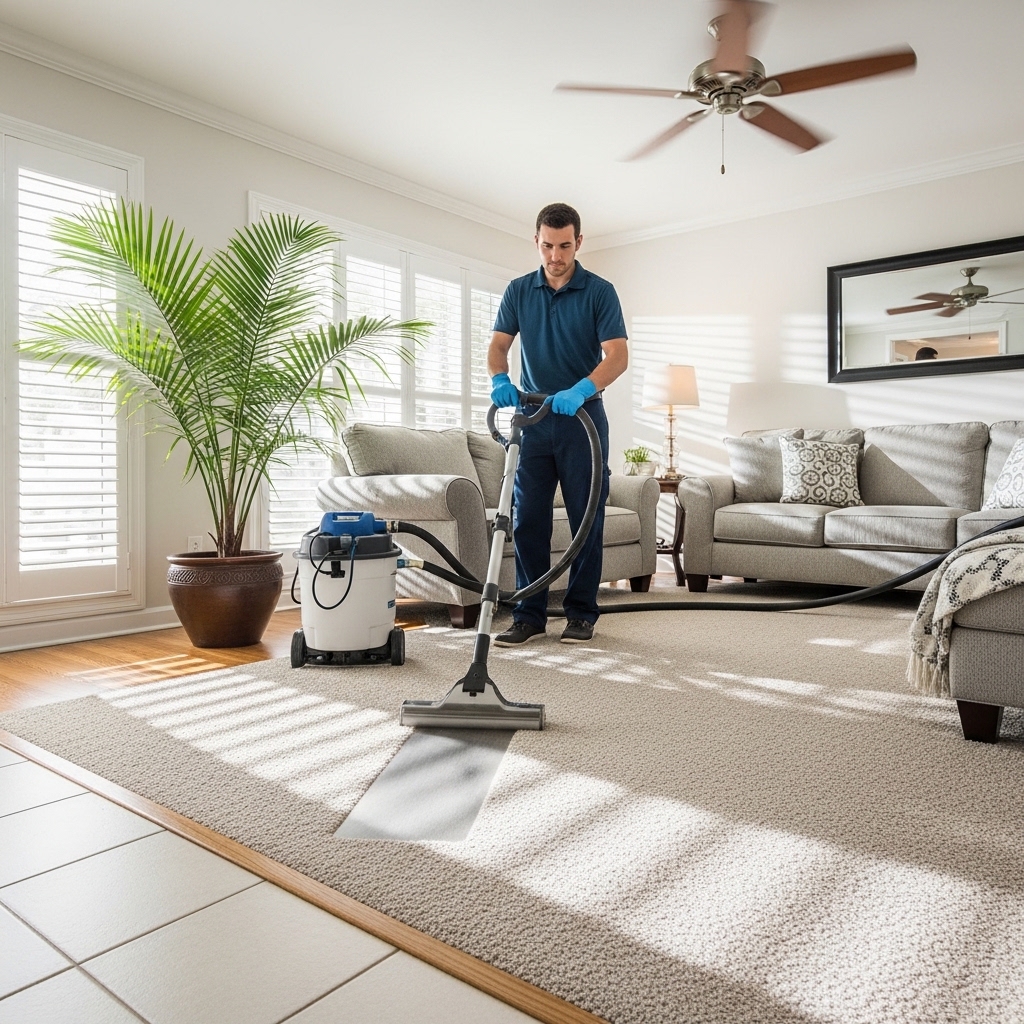
A Tampa-Focused Guide to Understanding Carpet Cleaning Value
If you live in the Tampa Bay area, you already know how humidity, summer storms, beach days, and busy family schedules can affect the life of your flooring. This guide explains the many factors that shape the overall value of a professional service, how to compare options, and how to plan for long-term results without fixating on numbers. From pet-friendly practices to eco-savvy choices, you will learn to make decisions that protect your home and simplify your routine. Right from the start, remember that the provider you choose and the process they use matter more than any single figure on a quote, which is why experienced carpet cleaning teams in Tampa pay attention to fiber type, soil load, and climate-sensitive drying.
Instead of thinking only in terms of line items, consider what you need from a service: healthier indoor air, refreshed textures, faster drying, pet odor control, or all of the above. The goal is to understand which factors explain differences between providers and packages so you can align your expectations with the outcome you want. The sections below break down method types, home and lifestyle variables, preparation steps, aftercare, and how to read the fine details of a proposal without getting lost in jargon.
What Shapes Your Overall Investment in Tampa
Every home is unique. In Tampa, the variables that shape your overall investment include the size and layout of rooms, fiber and pile construction, soil load from daily traffic, presence of pets, and the need for specialty spotting or odor work. Additional considerations include accessibility (such as high-rise condos with limited parking or long hose runs), whether furniture will be moved, and how quickly you need the job completed. Climate matters too: high humidity can extend dry times, and sand from beaches can migrate deep into carpet pile, calling for a more thorough flush-out during extraction.
Another factor is your cleaning history. Carpets that receive regular maintenance often require less time and effort per visit, while neglected fibers may need more passes, targeted chemical dwell, and extra grooming. If you have wool or other natural fibers, a technician may adjust water temperature, pH, and agitation to protect the fabric. Synthetic fibers such as nylon or polyester respond differently to heat and cleaning agents, so techs tailor their approach to prevent issues like wicking or browning.
Service Methods Explained
Professional providers typically employ several approaches, sometimes in combination, to deliver the desired outcome. Hot water extraction (often called steam cleaning) flushes soil and residues from the backing and base of the pile, leaving a clean, refreshed texture. Low-moisture methods use encapsulating detergents and controlled agitation to break soil bonds, followed by thorough vacuuming. Each method has strengths depending on the condition of the carpet, the level of traffic, and the time available for drying. Specialty spotting protocols address red dyes, ink, paint, rust, or filtration lines at the edges of rooms. Odor control may involve enzyme-based treatments designed to digest organic matter rather than masking it.
No single method fits every need. A high-traffic family room with pet activity may call for deeper extraction, while a lightly soiled bedroom can respond well to a low-moisture process. Skilled technicians will pre-inspect your spaces, test fibers as needed, and discuss any pre-existing issues that might affect outcomes, such as wear patterns, sun fade, loose seams, or ripples that need re-stretching.
Home and Lifestyle Factors in Tampa
Local conditions influence planning. Tampa’s humidity can slow evaporation, so savvy cleaners use powerful vacuum recovery, balanced solution application, air movers, and proper ventilation to keep dry times reasonable. Homes near sandy areas or with frequent beach trips tend to show abrasive soil that settles deep in the carpet. This kind of soil can grind against fibers and make them look dull unless regularly removed through professional maintenance and thorough vacuuming. Households with children, guests, or home offices also see different traffic patterns. If you host gatherings or run a business from home, you might schedule more frequent maintenance to keep a consistent appearance and healthier indoor air.
Pet ownership adds additional considerations. Pet hair, dander, and occasional accidents can contribute to odors and staining. Addressing these requires the right products and a method that targets not only the surface but also the backing, where contaminants sometimes migrate. Tampa’s heat and humidity can intensify odors if not managed properly, so odor control often involves treatments that break down organic compounds at their source.
Understanding Room Sizes and Layouts
Room size, sectional layouts, staircases, and hallways all influence the scope of work. Tight spaces, built-in furniture, and narrow hallways may require extra hose management and more detailed handwork. Large great rooms with multiple seating areas might take longer to pre-vacuum, pre-treat, and groom thoroughly. Stairs present unique challenges because each step is essentially a small horizontal and vertical surface that collects soil on both the tread and riser. Technicians use hand tools or stair-specific wands to deliver even results on each step without overwetting edges.
Open floor plans common in newer Tampa homes can show distinct traffic lanes between kitchen islands and living areas. These lanes may need attention beyond a routine pass. A careful pre-inspection will map the traffic patterns, note transitions from tile to carpet, and identify spots that require targeted agitation or dwell time.
Stains, Odors, and Special Situations
Not all spots are stains, and not all stains are permanent. Many marks are removable with the right chemistry and a patient process. Organic spills may respond to enzyme treatments; synthetic dyes might require reducing agents; oily residue often needs an appropriate solvent step before rinsing. The key is matching the product and method to the contaminant. Trying to scrub aggressively with household chemicals can drive the issue deeper, set dyes, or fray the pile. Professional technicians test in inconspicuous areas and approach each spot with a plan tailored to the fiber and type of contamination.
Odor is a separate challenge. When liquids penetrate backing and padding, the source may not be on the surface at all. In Tampa’s climate, neglecting the source can allow odors to intensify. Thorough odor control may involve deeper flushing, specialized products, and attention to airflow and humidity during drying. Clear communication about your home’s history—pet accidents, food spills, or water intrusions—helps the technician design the right approach.
Add-Ons and Value-Boosters
Beyond standard cleaning, many homeowners consider additional steps designed to protect and maintain appearance. Protective treatments can help resist future spills, making them easier to blot promptly. Grooming the pile after cleaning can improve texture and promote even drying. Some households benefit from periodic maintenance visits focused on high-traffic areas to keep the rest of the home cleaner longer. Entry mats, shoe policies, and routine vacuuming with a well-maintained machine also extend the life and appearance of carpet between professional visits.
When evaluating options, think about what will enhance your daily comfort and reduce future hassle. For example, if your home has active pets and children, odor management and protectant applications can simplify your routine. If allergens are a concern, pair thorough extraction with filtration and ventilation strategies to improve indoor air quality.
DIY Versus Professional Work
DIY machines can address light maintenance in a pinch, but professional equipment delivers stronger extraction and controlled heat, which improve soil removal and reduce the risk of overwetting. Overwetting can lead to wicking, browning, or prolonged dry times—issues that are more likely in humid climates. Professionals also carry a range of solutions for specific challenges, from red dye correction to stain oxidizers and reducers, plus the knowledge of how to apply them safely. The value of a professional visit goes beyond a single cleaning; it includes fiber care expertise, efficient workflow, and guidance on protecting your carpets between appointments.
If you do attempt DIY, vacuum thoroughly first, follow dilution instructions, and avoid over-application of product. Always blot, never scrub, and test in an inconspicuous area. Keep fans and air conditioning running to promote faster drying, and open interior doors to encourage airflow across rooms and hallways.
How to Compare Proposals and Set Expectations
Comparing providers is about more than line items. Ask about pre-inspection, pre-vacuuming, pre-treatment on traffic areas, dwell time, agitation, hot water extraction or low-moisture methods, and whether grooming and speed-drying are included. Verify whether furniture handling is part of the visit and what items are excluded. In Tampa, drying strategy is critical, so ask how technicians manage humidity and airflow. The best proposals explain the process step by step, identify likely limitations, and outline care instructions after the visit. Evaluating services through process and outcomes brings clarity, helping you choose the team that aligns with your goals for carpet cleaning without second-guessing.
It’s also worth discussing scheduling windows and arrival times, especially during busy seasons. Providers may offer reminders, text updates, and online scheduling to streamline communication. If you live in a community with gate codes or restricted parking, share details in advance to avoid delays.
Preparing Your Home
Preparing your home supports an efficient, thorough visit. Remove small items from floors, tuck away cords, and pick up toys or pet bowls. Secure fragile décor and communicate any special concerns to the technician. If you plan to have furniture moved, clear tabletops and shelves so crews can work safely. Vacuuming beforehand is helpful, especially in high-traffic areas and along baseboards where dust can accumulate. On cleaning day, set your thermostat to a comfortable temperature and run ceiling fans to encourage airflow. Keep pets in a safe space, and plan household activities around any rooms that will be cleaned first so you can re-enter your home comfortably as areas dry.
When the technician arrives, walk the home together. Point out any spots that appeared after previous cleanings (wicking), areas with recurring odors, or sections with loose seams. This walkthrough helps set expectations and gives the technician a chance to explain their approach, including the order of rooms and anticipated dry times.
Aftercare and Longevity
Post-cleaning care helps lock in results. Avoid heavy foot traffic until the carpet is dry. Use clean, white towels to blot any residual moisture on problem areas. Replace furniture only after placing protective tabs or blocks beneath feet, and leave them in place until fully dry. Continue running air conditioning and fans to promote evaporation, especially on humid days. Once dry, a thorough vacuuming will lift the pile and remove any encapsulated residues if a low-moisture method was used. Establish a maintenance routine: consistent vacuuming with a well-maintained machine, spot treatment as needed, and periodic professional visits based on your household’s activity level.
Consider entryway mats at exterior doors, a no-shoes policy, and regular grooming. These small habits help protect fibers from abrasive soil and keep high-traffic lanes looking even. If you notice recurring spots, contact your provider; sometimes a second pass or a targeted treatment resolves issues that resurface during drying.
Common Mistakes to Avoid
- Scrubbing aggressively at a fresh spill, which can fray fibers and set dyes.
- Over-applying household chemicals, leading to residues that attract more soil.
- Skipping regular vacuuming, which allows abrasive particles to erode fibers.
- Closing rooms off after cleaning instead of encouraging airflow for faster drying.
- Using high-alkaline products on wool or delicate fibers without testing.
- Ignoring pet issues until odors become entrenched in the backing and pad.
- Waiting too long between professional maintenance visits, making cleaning more difficult.
Frequently Asked Questions
Q: How often should Tampa homeowners schedule service? A: Frequency depends on foot traffic, pets, and personal preferences. Many households benefit from a maintenance rhythm that includes periodic professional visits complemented by routine vacuuming and prompt spot care.
Q: Will hot water extraction leave my carpets wet for a long time? A: With proper equipment and technique, dry times are reasonable. Technicians manage moisture, airflow, and temperature to encourage faster drying, even in humid weather.
Q: Can you remove all stains? A: Many spots are removable, but some stains are permanent due to dye migration, bleach damage, or fiber wear. Technicians will identify likely outcomes during pre-inspection.
Q: Is low-moisture cleaning as effective as extraction? A: Both methods have a place. The right choice depends on fiber type, soil load, and your goals. Sometimes a combination delivers the best result.
Q: Should I move furniture? A: Discuss this during scheduling. Some pieces can be shifted, while larger, delicate, or electronic items may be left in place for safety.
Q: How can I reduce odors in Tampa’s humidity? A: Promptly treat spills, maintain ventilation, and consult your provider about enzyme-based approaches that address sources rather than masking smells.
Ready for Fresher Floors in Tampa?
Your home deserves a thoughtfully planned service grounded in fiber science, climate-aware techniques, and clear communication. Start by identifying your goals—appearance, health, odor control, or all three—then choose a provider that explains their process in detail and offers practical aftercare tips. When you are ready to refresh your spaces with trusted pros who understand local conditions, explore professional carpet cleaning and schedule a convenient visit that fits your routine.