
Introduction
Owning a home in Tampa, Florida brings sunshine and sea breezes—and plenty of challenges for carpets. Between humid summers, sudden downpours, sandy shoes, and active households, a smart plan is essential to preserve color, texture, and indoor air quality. This comprehensive homeowner’s guide walks you through a full strategy that blends routine care, targeted stain removal, deep-clean cycles, and climate-aware drying habits. Whether your home is a bustling family hub or a quiet retreat, the right system for carpet cleaning will save time, protect your investment, and make your living spaces more inviting.
Below you will find a practical schedule, product and tool tips, room-by-room tactics, and solutions for Tampa’s unique conditions, including storm season, pollen surges, and pet-friendly lifestyles. Tailor the plan to your fiber type and daily traffic for maximum results.
Set a Tampa-Friendly Cleaning Schedule
- Daily or Every Other Day: Quick crumb patrol and spot blotting in kitchens, playrooms, and pet areas.
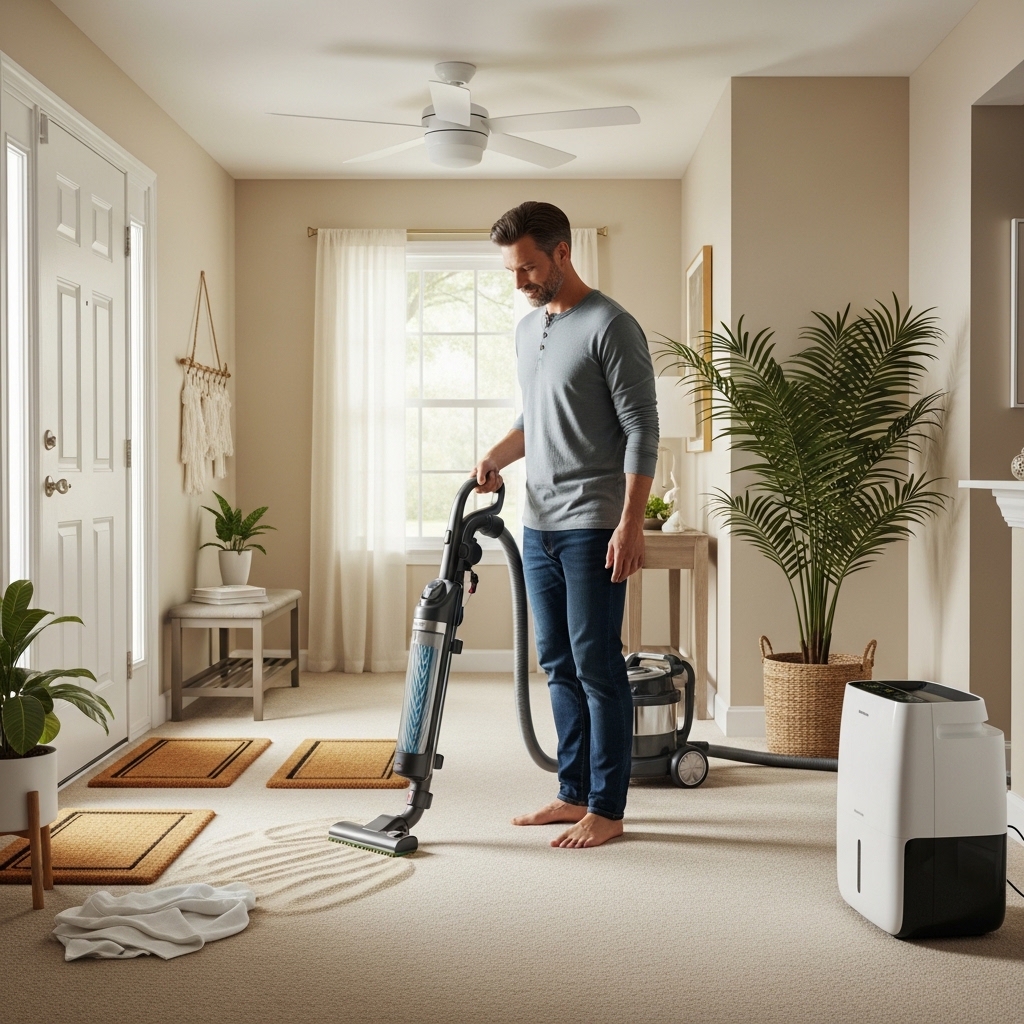
- 2–4 Times Weekly: Thorough vacuuming of high-traffic lanes and entryways to remove sand and dust before they abrade fibers.
- Monthly: Edge cleaning with crevice tools, furniture base detailing, and stair attention.
- Quarterly: Low-moisture maintenance clean or hot water extraction for heavy-use zones.
- Annually: Whole-home deep clean and re-application of fiber protector if used.
Choose the Right Tools and Chemistry
Quality matters. A strong vacuum with height adjustment and a motorized brush head is non-negotiable. For chemistry, select pH-appropriate detergents for your fiber and keep enzyme spotters for food or pet accidents. Oxidizing spotters can help with color stains, but always test and use sparingly. For Tampa homes, low-moisture maintenance products are valuable because they help you clean more often without long dry times.
Room-by-Room Strategy
Entryways and Halls: Place large mats and vacuum these paths more frequently. Pre-spray traffic lanes before deep cleaning. Bedrooms: Focus on dust reduction for better sleep—vacuum slowly and consider periodic low-moisture cleans to control allergens. Living Rooms: Treat spills promptly, groom fibers to keep a plush look, and rotate furniture slightly every few months to spread wear. Stairs: Use hand tools for edges and a careful, slow pass approach during extraction to avoid overwetting.
Spot Removal Fundamentals
- Act fast. Blot liquids with white towels; never scrub.
- Use the right chemistry: enzymes for organic stains, gentle oxidizers for colored spills.
- Test in an inconspicuous spot to ensure dye safety.
- Apply limited moisture and follow with a water rinse to prevent sticky residue.
- Groom fibers after spot work to blend pile and avoid visible rings.
Deep Cleaning Methods
Hot Water Extraction: Great for a refresh when soils are bonded. Use measured solution, avoid flooding, and extract slowly. Low-Moisture Encapsulation: Ideal for maintenance cleans with quick dry times—especially helpful in Tampa’s humidity. Absorbent Compound: Handy for quick turnarounds and areas that cannot be out of service for long.
Humidity and Drying Strategy
Drying is as important as cleaning. Use fans, run your AC, and, if possible, a dehumidifier to speed evaporation and prevent musty odors. Keep doors open for air circulation. Plan deep cleans earlier in the day to allow ample drying time before evening humidity rises.
Allergy and Air Quality Considerations
Tampa’s spring pollen and year-round dust can settle deep in carpet. Use high-efficiency vacuum bags or filters, and vacuum slowly to maximize capture. Schedule periodic deep cleaning to remove embedded allergens. Maintain good indoor humidity levels to discourage dust mites and mildew.
Protecting Fibers from Wear
Sand grains act like tiny blades. Encourage shoes-off policies, upgrade entry mats, and vacuum frequently to remove abrasive dry soil. Consider fiber protector products after deep cleaning for additional stain resistance, especially in busy living areas.
Mid-Cycle Maintenance Boost
Between major cleans, a targeted low-moisture maintenance session can revitalize traffic lanes in under an hour. Apply encapsulation solution, agitate, allow to dry, and vacuum. This approach keeps carpets looking crisp and helps your next deep clean perform better. If you notice recurring traffic shadowing or persistent odor after your own efforts, it can be a sign that it is time to coordinate professional carpet cleaning as part of your maintenance rhythm.
Storm and Spill Readiness
- Keep towels and a wet/dry vac on hand for minor intrusions near doors or windows.
- Blot and extract promptly—fast action reduces wicking and staining.
- Run fans and dehumidifiers immediately after storms to discourage microbial growth.
- Inspect edges and closets; these can hide moisture after wind-driven rain.
Pet-Friendly Practices
Use enzyme treatments for accidents with adequate dwell time. Rinse and extract thoroughly. For repeated issues in one spot, lift a small corner if practical to check pad conditions—persistent odors often come from below the face yarn. Keep a UV flashlight for quick identification and address spots before they spread.
Routine Aftercare
Once carpets are dry, return furniture with protective tabs for an additional day. Vacuum within 24–48 hours to remove any loosened soil or encapsulated residues. Maintain airflow and humidity control for comfort and odor prevention.
FAQ: Homeowner Questions in Tampa
Q: How often should I vacuum? A: High-traffic areas benefit from several times per week. Bedrooms may be weekly unless you have allergies or pets.
Q: Are rental extractors effective? A: Yes, with careful use: pre-vacuum thoroughly, apply measured solution, extract slowly, and prioritize drying.
Q: Does opening windows speed drying? A: In humid weather, open windows can slow progress. Use AC, fans, and dehumidifiers to control moisture.
Q: What is the best way to handle red drink stains? A: Blot immediately, test a gentle oxidizer, apply with caution, rinse, and blot dry. Avoid scrubbing.
Q: How do I avoid crunchy carpet after cleaning? A: Perform a rinse step or use low-residue chemistry, then extract thoroughly.
Q: When should I call a professional? A: Severe pet contamination, persistent odors, mold concerns, or stains that resist careful treatment are signs you need advanced equipment and expertise.
Make Your Tampa Home Feel New Again
With a solid plan and the right tools, you can keep carpets looking vibrant despite Tampa’s humidity, sand, and storms. When life gets busy or a tough job needs expert attention, schedule trusted local help for thorough carpet cleaning and enjoy fresher, more comfortable floors all year.