
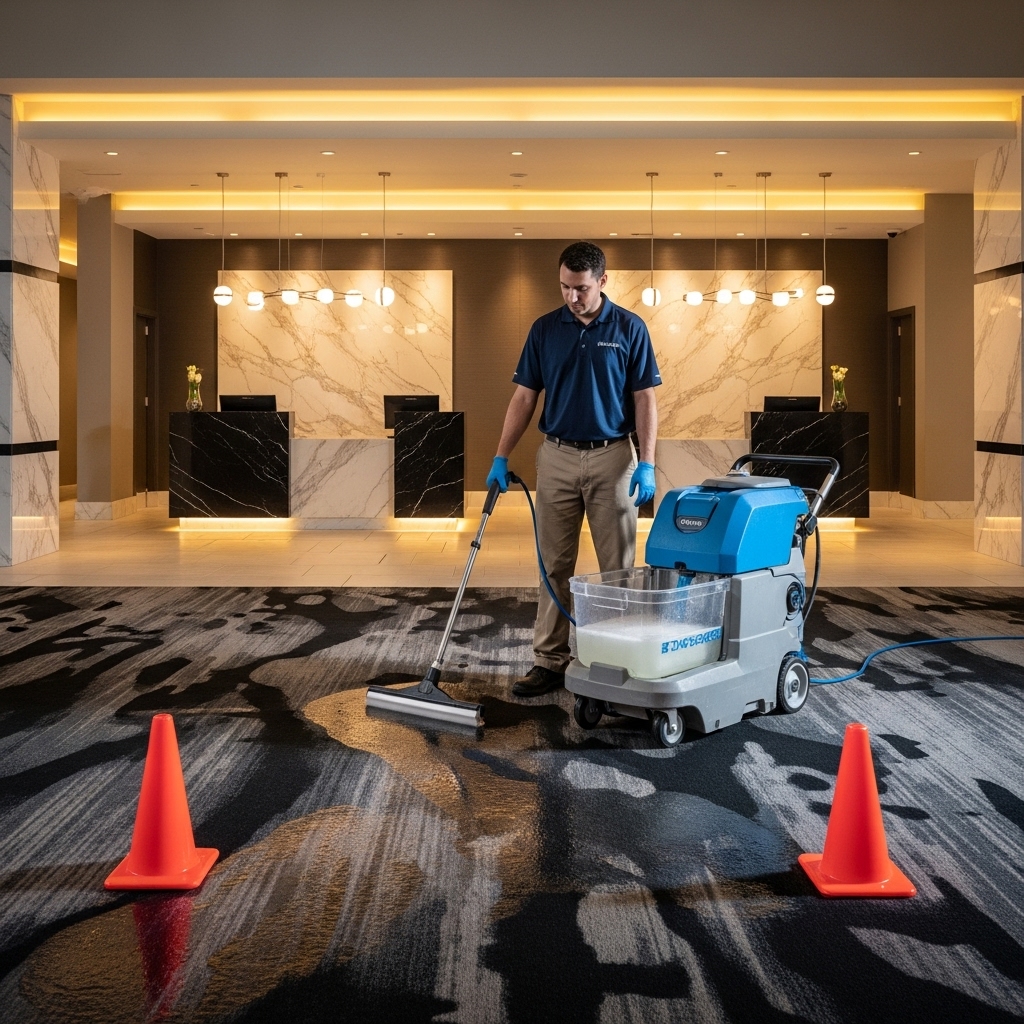
Commercial facilities in Tampa—from medical offices and schools to hotels, retail stores, and multi-tenant buildings—need a floor care partner who can protect their image and extend asset life. Clean, well-maintained carpet supports healthier indoor environments, reduces slip-and-fall risk from embedded soils, and shapes the first impression your space makes on employees and guests. This comprehensive guide explains service options, scheduling strategies, scope planning, and what to ask potential partners. Early on, keep in mind that your choice of carpet cleaning provider should hinge on documented processes, safety practices, and communication—not just a single figure on a proposal.
Commercial Demands Require Commercial Methods
Businesses experience higher foot traffic, more frequent spills, and time-sensitive schedules. A seasoned Tampa provider blends methods—hot water extraction for restorative work and low-moisture encapsulation for interim maintenance—to manage appearance levels consistently between deeper cleans. This layered approach helps maintain fibers, reduces downtime, and keeps public-facing areas looking their best.
Facilities We Commonly See in Tampa
- Healthcare clinics, dental offices, and waiting rooms
- Corporate offices, call centers, and co-working spaces
- Hotels, resorts, and conference venues
- Retail showrooms and boutiques
- Educational buildings and libraries
- Multi-family communities and leasing offices
Scope Design: Zoning, Traffic Lanes, and Hot Spots
Not every square foot needs the same attention. Smart scope design identifies zones by traffic intensity: entrances, corridors, elevators, break rooms, and restrooms often require more frequent maintenance than private offices. A provider should map these zones, detail the maintenance cadence for each, and specify equipment and chemistry to be used in each environment.
Interim Maintenance vs. Restorative Cleaning
Interim low-moisture services are scheduled to manage appearance and prevent soil from binding to fibers. Restorative hot water extraction flushes embedded soils and residues to reset the carpet. Together, they extend carpet life, preserve warranties when applicable, and stabilize indoor air quality by removing trapped particulates.
Scheduling Around Business Operations
Commercial work in Tampa often happens after hours, overnight, or during weekends to avoid disrupting employees and customers. Your provider should offer flexible scheduling, coordinate building access, and communicate safety protocols for signage, cord management, and slip hazards in active zones. In multi-tenant buildings, coordination with property management is essential for smooth logistics.
Security, Safety, and Compliance
Reputable teams background-check technicians as required, follow access control procedures, and comply with safety standards. They understand how to post signage, protect sensitive areas, and manage equipment cords and hoses to minimize risk. In healthcare or education, additional compliance standards may apply; your partner should be able to provide documentation on request.
Eco-Conscious Strategies
Green-forward solutions reduce VOCs, manage water responsibly, and emphasize residue-free results that slow re-soiling. Encapsulation detergents, when used appropriately, can be vacuumed out with routine janitorial work, aligning with sustainability goals and lowering the need for frequent heavy extraction.
Protectants and Fiber Care
After cleaning, protectants help repel dry soils and liquids, keeping traffic lanes brighter in between visits. A good program considers the fiber type—solution-dyed nylon, olefin, blends—and uses compatible chemistry. For delicate or patterned commercial carpets, technicians test inconspicuous areas and monitor for color stability.
Measuring Success: KPIs and Reporting
Professional partners provide inspection reports, before-and-after notes, and maintenance calendars. They may document conditions such as recurring coffee spills in break rooms or tar transfer near entrances, then recommend targeted mitigation like additional mats or scheduled spot treatments.
Mid-Contract Optimization
Halfway through a maintenance cycle, review traffic patterns and appearance levels. Adjust the cadence for high-visibility zones, and confirm that janitorial teams are vacuuming with appropriate equipment and frequency. If spots are reappearing, investigate causes: wicking, residue, or new sources of contamination. A methodical approach—coupled with periodic deep extraction—keeps the program on track. At this stage, booking a round of professional carpet cleaning that targets trouble zones can reset standards across the facility.
Working Alongside Janitorial Teams
Daily or nightly janitorial services focus on trash, dusting, and basic floor care. A specialized carpet partner supplements this by providing advanced spot removal, periodic encapsulation, and scheduled restorative extractions. Collaboration reduces duplication and improves results—especially when both teams share notes about recurring issues.
High-Risk Areas and Specialty Treatments
- Entrance mats: Capture soils and moisture before they hit the carpet; clean these mats regularly.
- Coffee and beverage zones: Treat recurring spills with targeted oxidizers or reducers.
- Grease-prone areas: Use degreasing preconditioners carefully to avoid residue.
- Odor management: Identify sources and select enzyme or oxidizing treatments where appropriate.
- Stairs and elevators: Prioritize safety with cord management, cones, and signage.
Communication That Prevents Downtime
Before each service window, confirm floor plans, access points, and security procedures. Provide contacts for after-hours emergencies and share any known trip hazards. The right vendor respects your schedule, communicates proactively, and closes the loop with post-service summaries and recommendations.
Frequently Asked Questions
Q: How often should commercial carpets be serviced? A: Frequency depends on traffic levels and image standards. High-visibility areas benefit from frequent interim maintenance paired with periodic restorative extractions.
Q: Will cleaning disrupt operations? A: With after-hours scheduling and clear safety procedures, disruption is minimal. Low-moisture methods speed return-to-service when timing is tight.
Q: Can you handle large facilities? A: Yes, with proper planning, zoning, and team size. Detailed scopes and schedules keep multi-floor or multi-tenant projects on track.
Q: Are protectants worth it? A: In busy corridors and entries, protectants help fibers resist soils and liquids, supporting longer-lasting appearance levels.
Q: Do you coordinate with property managers or facility teams? A: Experienced providers work closely with stakeholders to align schedules, access, and reporting.
Make a Confident Choice for Your Facility
Your business deserves floors that reflect your brand and support a healthy, productive environment. Partner with a provider who builds a plan around your space rather than forcing a generic template.
Take the Next Step
When it is time to refresh high-traffic areas, schedule professional carpet cleaning with a team that understands Tampa’s commercial demands. Thoughtful preparation, methodical execution, and clear reporting will keep your property looking its best day after day.