
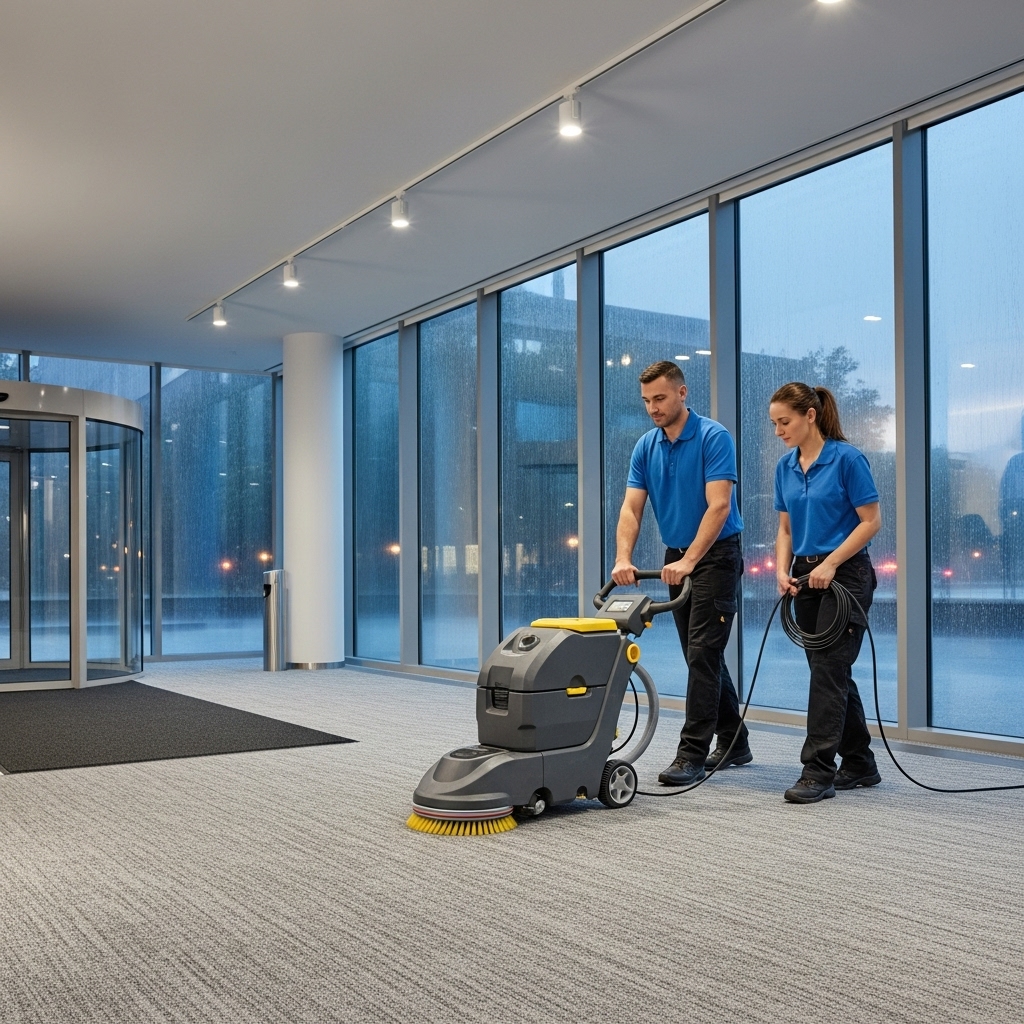
Commercial facilities in Tampa, Florida—offices, clinics, hotels, restaurants, retail, and education—rely on clean carpets to project a professional image, support occupant health, and extend flooring life. Because Tampa’s climate blends heat, humidity, and frequent rain, soil control and drying strategy must be planned with care. A durable maintenance program balances daily housekeeping with scheduled restorative work, aligning methods to business hours, traffic levels, and fiber types. The goal is continuous appearance management, not sporadic emergency response. As you build your plan, work with a provider that can explain their approach to carpet cleaning in operational terms your team can follow and measure.
Unlike residential projects, commercial carpet care is a marathon. It requires documented procedures, staff training, and communication loops between the service provider, facility management, and janitorial teams. A well-designed program reduces complaints about spots, odors, and perceived uncleanliness—issues that can affect tenant satisfaction, brand reputation, and even lease renewals. It also optimizes budgets over time by preventing excessive wear, avoiding premature replacement, and minimizing business disruption.
Mapping your building: traffic and risk zones
Start with a map of your facility that designates entries, elevator lobbies, corridors, conference rooms, break areas, and restrooms. These zones carry different soil loads. External entries face sand and grit; cafeterias encounter oils and spill risks; corridors accumulate walk-off soils from every direction. Identify high-risk areas for spotting—coffee stations, printer rooms with toner dust, and patient check-in desks. Your maintenance schedule should reflect these differences with more frequent interim cleaning in critical zones and periodic restorative cleaning across the whole footprint.
Walk-off matting is your first defense. Use adequate mat length inside entries to reduce tracked soil. Mats should be vacuumed daily and laundered on a schedule. Even the best carpet cleaning program cannot overcome insufficient matting, especially during Tampa’s rainy season when water and fine grit are common.
Choosing methods and when to deploy them
Low-moisture encapsulation is the workhorse of commercial appearance management. It dries quickly, minimizing downtime. When paired with mechanical agitation—like a counter-rotating brush machine—it breaks soil bonds and leaves polymers to capture remaining particulates for later vacuum removal. Schedule encapsulation frequently in corridors and lobbies to keep traffic lanes bright and minimize rapid re-soiling.
Hot water extraction, often called steam cleaning, is your restorative reset. It flushes embedded soil, gummy residues, and particulates that accumulative maintenance cannot fully remove. Plan routine extraction for each area based on traffic and soil load. For example, a lobby might receive quarterly extraction while private offices see it semiannually or annually. In Tampa, align extraction with a robust drying plan using air movement and HVAC settings to avoid extended dampness.
Specialty services address stains, odors, and filtration lines along baseboards. Train staff to report spots promptly so the cleaner can use the right chemistry before stains set. Pet-related incidents in pet-friendly offices or hospitality environments may require enzyme or oxidizing treatments, and sometimes subsurface attention if contamination penetrates cushioning.
Drying strategy in a humid climate
Humidity is a constant variable in Tampa. Build a drying protocol into every service ticket. Use air movers to accelerate evaporation and maintain HVAC circulation to aid dehumidification. Plan traffic reroutes with signage to protect damp areas from immediate re-soiling. In spaces that must remain open, lean on low-moisture methods during business hours and schedule extraction after hours to allow adequate dry time before occupancy peaks.
Communication with security and operations is essential. Reserve elevators when needed, coordinate access for truck-mounted equipment, and plan around tenant hours. Share drying expectations in advance so stakeholders understand when areas will be fully usable.
Documentation and quality control
Establish a simple, repeatable system to document services: date, area, method, chemistry used, and any issues observed. Combine this with a quarterly appearance audit that scores key zones. Track recurring spots and plan root-cause corrections—matting changes, spill-proof containers near coffee stations, or more frequent vacuuming. Quality control is not about perfection in a single visit; it is about trend improvement and predictable outcomes over months.
Measurement helps justify budget decisions. Capture photos of high-traffic lanes before and after restorative cycles, log spot recurrence, and note drying times in different seasons. These data points inform your schedule, method selection, and staffing, turning maintenance from a guess into a manageable process.
Training janitorial teams for daily success
Daily vacuuming with proper machines and filters removes dry soil before it bonds to fibers. Focus on entries and corridors, then address offices and low-traffic areas. Encourage staff to report spills immediately and blot rather than scrub. Supply a simple spot kit with instructions for common issues like coffee, soda, toner, and tracked-in oils. Clear, laminated steps reduce the chance of setting stains and make the professional cleaner’s job more effective later.
Education should include fiber awareness and caution with chemistry. Using the wrong product on wool or a solution that leaves residue can create permanent issues. A quick reference guide for staff prevents well-intentioned mistakes that lead to extra costs and complaints.
Vendor selection and compliance
Commercial environments require providers who can meet building policies and deliver consistent results. Confirm insurance, training, and experience in similar facilities. Ask how they protect corners and walls, what slip-and-fall precautions they use, and how they secure hoses and cords. If your site demands after-hours work, verify team composition and communication protocols. The provider should be comfortable issuing certificates of insurance and aligning with your safety orientation.
Request a pilot in a challenging area to evaluate results before onboarding for the entire facility. The best vendors will explain what success looks like, share maintenance recommendations, and adjust based on your feedback. In the middle of the evaluation, look for clear, written descriptions of their carpet cleaning process so your stakeholders can sign off with confidence.
Building your maintenance schedule
Think in layers. Daily vacuuming and prompt spot response form the base. Weekly or biweekly low-moisture maintenance in critical zones holds the line on appearance. Monthly or quarterly, rotate focus areas for encapsulation, and on a longer cadence, schedule hot water extraction to reset the entire floor plate. Adjust these intervals by actual results, not just the calendar. Seasonal shifts in Tampa—particularly the rainy months—may call for more frequent touch-ups near entries and elevators.
Grooming after cleaning realigns fibers, reduces tracking marks, and slows re-soiling. It is a small step with outsized visual impact, especially under directional lighting common in offices and retail environments.
Dealing with recurring problems
Some issues need process tweaks, not just more cleaning. If spots reappear, investigate residues or wicking. If traffic lanes dull quickly, increase vacuuming frequency and verify equipment condition. If odors persist, inspect beneath the carpet to evaluate cushion and subfloor. Transparency about root causes prevents wasted effort and leads to durable fixes.
Consider carpet protector for areas that endure frequent spills or oils. Protector helps repel liquids temporarily, buying your staff time to blot before stains set. Its effectiveness depends on proper application and realistic expectations; it is a complement to good housekeeping, not a substitute.
Frequently Asked Questions
Q: How often should a commercial facility in Tampa schedule hot water extraction? A: It depends on traffic and soil load. High-visibility areas like lobbies and corridors may benefit from quarterly extraction, while private offices might be on semiannual or annual cycles, supported by frequent low-moisture maintenance.
Q: Can low-moisture cleaning replace extraction entirely? A: Not indefinitely. Low-moisture methods maintain appearance between deeper restorative work. Over time, embedded soil and residues accumulate and require extraction to fully reset the carpet.
Q: How can we reduce complaints about wet carpets? A: Coordinate after-hours service, use active air movement, and manage HVAC settings during and after cleaning. In extremely humid weather, build in extra drying time or prioritize low-moisture methods where possible.
Q: What should be in a spot response kit for staff? A: Clean white cloths, a neutral spotter suitable for multiple fibers, instructions for blotting, a small scraper for solids, and a plan for when to call the professional. Simplicity and training matter more than a long list of chemicals.
Q: Are there special concerns for medical or hospitality environments? A: Yes. Compliance, confidentiality, and guest comfort are paramount. Choose providers who understand access control, signage, quiet equipment, and discreet operations, and who can document processes clearly.
Q: How do we evaluate a vendor’s performance? A: Use appearance scores, spot recurrence tracking, tenant feedback, safety compliance, and before-and-after documentation. Review quarterly and adjust the plan collaboratively.
Keep your facility looking its best
A sustainable carpet maintenance program is part planning, part teamwork, and part accountability. Map your traffic zones, set a layered schedule, and partner with a provider who communicates, documents, and adapts. Protect your brand image and occupant experience by aligning methods with Tampa’s climate and your operational realities. When you are ready to strengthen your program with reliable results and minimal disruption, schedule professional carpet cleaning with a trusted commercial partner.