
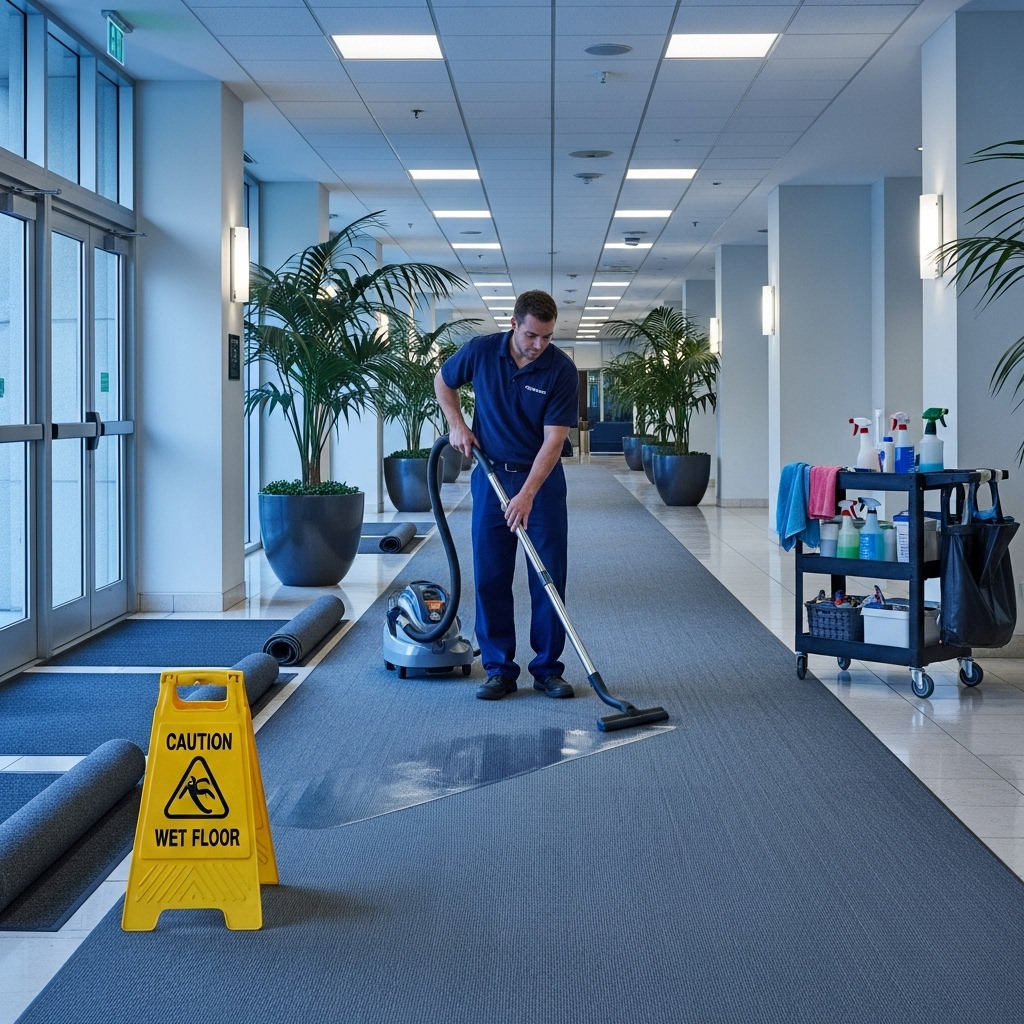
Introduction: A Professional Approach for Tampa Workspaces
Clean carpet enhances brand image, protects indoor air, and supports employee comfort. In Tampa, Florida, humidity, sand, and year-round traffic from customers and staff require a structured cleaning program, not occasional spot fixes. This comprehensive checklist organizes tasks by frequency and area so your facility team can maintain consistent standards. It also outlines inspection steps, stain protocols, and drying strategies that accommodate Tampa’s climate. For periodic deep resets, many facilities coordinate their plan with scheduled carpet cleaning to keep performance high without disrupting operations.
Use this checklist as a training tool for new staff and a quality assurance reference for managers. Adapt the frequency to your industry, foot traffic, and seasonal demands.
Daily Opening Checklist
- Inspect lobbies, elevators, corridors, and entries for new spills or debris.
- Spot treat fresh stains immediately using fiber-safe products; blot and rinse lightly.
- Vacuum primary walkways and entrance mats with slow, overlapping passes.
- Check weather conditions; if humidity is high or rain is expected, stage additional mats near doors.
- Verify that air conditioning is set to manage humidity throughout the day.
Midday Maintenance
- Quick vacuum of high-traffic zones during lull periods.
- Spot attention to food courts, break rooms, and conference areas after events.
- Rotate or shake out entry mats; replace saturated mats promptly.
Closing Checklist
- Thorough vacuuming of all public and staff areas.
- Detailed edge vacuuming along baseboards and under furniture edges.
- Address any new spills before staff leaves to prevent overnight wicking.
- Stage air movers or fans in areas treated late in the day to accelerate drying.
Weekly Tasks
- Vacuum stairs, landings, and less-used corridors thoroughly.
- Low-moisture maintenance clean of main traffic lanes using encapsulation where appropriate.
- Inspect for filtration lines along walls and treat edges with targeted cleaning.
- Check furniture tabs and protective glides; replace as needed.
Monthly Tasks
- Hot water extraction of designated zones based on usage mapping.
- Detailed cleaning of break rooms, conference areas, and reception seating zones.
- Evaluate carpet wear patterns and adjust matting or furniture layout to extend life.
- Inventory chemicals and tools; verify that labels are legible and safety data sheets are on file.
Quarterly and Seasonal Tasks
- Comprehensive deep cleaning of entire floors or departments after business hours.
- Professional inspection for problem areas such as recurring stains, seam issues, or delamination risk.
- Review HVAC performance and filtration to reduce dust and allergens.
- Evaluate entry matting for replacement before peak weather changes.
Event and Spill Response Protocol
- Contain: Block foot traffic around the spill and place a caution sign.
- Identify: Determine the type of spill—water-based, oily, or organic discoloration.
- Blot: Use white towels to remove as much as possible without rubbing.
- Treat: Apply the correct spotter sparingly and allow appropriate dwell time.
- Rinse: Use a damp towel or portable extractor to remove residues.
- Dry: Position fans to move air across the area and check progress before reopening.
- Document: Record the incident, product used, and outcome for quality tracking.
Traffic Lane Management
Map your facility to identify the busiest paths: lobby entrances, corridors to restrooms, elevator banks, and break room approaches. Increase vacuuming frequency in these zones and schedule low-moisture maintenance cleans weekly. Use runners or mats during peak seasons to reduce soil load. Groom fibers after cleaning to blend appearance and speed drying.
Tampa Climate Considerations
Humidity slows evaporation. When planning wet cleaning, align schedules with after-hours AC operation and ensure fans or air movers are available. Address sand by focusing on entry matting, regular vacuuming, and targeted deep cleaning near doors. After storms, inspect for moisture intrusion and take immediate drying action to prevent odors.
Equipment and Chemical Management
- Maintain extractors, hoses, and wands; rinse tanks and replace filters regularly.
- Label all chemicals clearly and store them in a secure, ventilated space.
- Standardize product selection to prevent cross-reactions and training confusion.
- Provide PPE such as gloves and eye protection; train staff on use and disposal.
Training and Quality Control
- Onboard new employees with a walk-through of this checklist and hands-on demos.
- Use spot testing to teach safe product application and fiber identification.
- Set visual standards with photos of acceptable and unacceptable outcomes.
- Audit results monthly; adjust frequencies based on soil load and seasonal changes.
Communication and Scheduling
Coordinate with department managers to choose cleaning windows that minimize disruption. Notify staff when areas will be damp, place signs, and provide alternative routes if necessary. Keep a calendar of recurring tasks and adjust for special events or seasonal surges in foot traffic.
When to Partner with a Professional
Some issues demand advanced treatments: pad-level pet contamination from service animals, recurring filtration lines, dye migration, flood-related odors, and large-area restorative cleaning. Integrating scheduled professional carpet cleaning into your maintenance plan helps maintain a consistent, high-standard appearance and protects carpet warranties.
Frequently Asked Questions
Q: How often should we deep clean high-traffic commercial areas? A: Many facilities benefit from monthly to quarterly deep cleaning, supplemented by weekly low-moisture maintenance.
Q: What is the best way to speed drying after hours? A: Run the AC to lower humidity, deploy fans or air movers, and keep interior doors open to encourage cross-ventilation.
Q: How do we prevent re-soiling? A: Use correct dilution rates, rinse thoroughly, and neutralize if necessary. Over-application of detergent is a common cause of sticky residues.
Q: Are there fiber types we should treat differently? A: Wool and certain blends require lower pH and temperature. Train staff to identify fibers and adjust chemistry and agitation accordingly.
Q: How can we control odors in busy break rooms? A: Prompt spill response, regular maintenance cleans, and targeted enzyme treatments help. Ensure fast drying to prevent musty smells.
Elevate Your Facility’s Clean
A disciplined checklist delivers consistent results, safer surfaces, and a more welcoming space for staff and visitors. Align your in-house plan with periodic expert carpet cleaning to maximize longevity and appearance across every season in Tampa.