
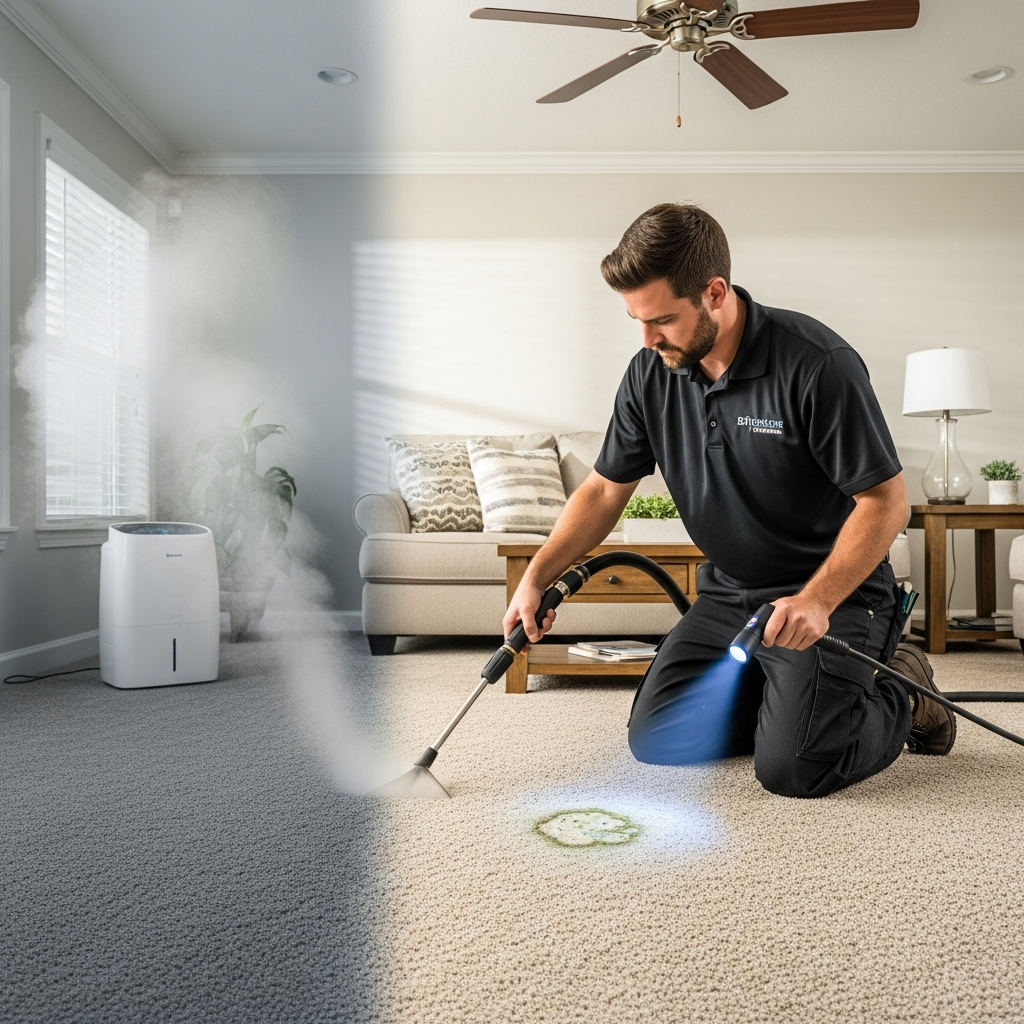
What deep cleaning really means for Tampa homes
Deep cleaning goes beyond quick passes and surface brightening. It addresses embedded soils, sticky residues, pet contamination, and allergens that routine vacuuming cannot remove. In Tampa’s warm, humid climate, carpets can hold onto fine particles and odors more readily, especially in high-traffic areas after summer storms. A well-designed deep cleaning plan evaluates fiber type, soil load, and household priorities, then applies methodical steps to lift, suspend, and extract contaminants while protecting texture and color. If you are mapping out the right approach for your home, it can help to consult a provider known for meticulous carpet cleaning and for tailoring techniques to Tampa’s conditions.
True deep cleaning starts with inspection and testing. Technicians identify fibers, look for dye stability issues, and check for previous residues that may influence chemistry. They also use moisture or UV tools when pet accidents are suspected. This groundwork ensures stain treatments are targeted and that extraction removes what has been loosened rather than just shifting it around.
Core steps of a thorough process
Pre-vacuuming with a quality machine removes dry soils so solutions can focus on what remains bonded to fibers. Pre-treatment targets traffic lanes and spots, and controlled agitation encourages soil suspension. Where appropriate, hot water extraction flushes fibers, followed by balanced rinses to neutralize pH and leave piles soft and clean. Post-grooming aligns fibers for uniform drying and appearance. Air movement may be introduced to accelerate dry times based on room layout and humidity.
Pet treatment receives special attention. Addressing contamination at its source prevents odors from returning. Technicians may treat affected areas more than once, flushing thoroughly and verifying results with inspection tools. Success here hinges on identifying the exact zones where contamination has migrated.
Method selection and why it matters
Different homes call for different techniques. Hot water extraction is a powerful option for many synthetic fibers and heavy soil loads. Low-moisture methods can be valuable for interim maintenance or in settings where faster access is a priority. Encapsulation chemistry can help resist re-soiling when appropriate. Skilled pros will choose based on fiber, construction, backing, and the presence of jute or adhesives that might be moisture-sensitive.
In Tampa, humidity is a key consideration. Adequate airflow and method choice help ensure efficient drying. Technicians plan routes carefully to minimize time rooms are out of use and to maintain safety with hoses and equipment. Communication during the appointment keeps everyone on the same page about sequence and expectations.
What influences scope and approach
Several elements shape how deep a cleaning needs to be and how long it takes. Fiber type, pile density, and construction affect how soils embed and how readily they release. Traffic lanes may require more agitation and dwell time. Pet issues call for specialized treatments and careful extraction. Previous residues from over-the-counter spotters can complicate chemistry and may demand additional rinsing to prevent stickiness.
Layout also matters. Stairs, tight hallways, and multi-level homes require different tools and hose runs. Conditions such as filtration lines along baseboards or rust marks beneath metal furniture may prompt specific spot treatments and careful testing to avoid color transfer.
Results to expect from a deep cleaning
When done well, deep cleaning brightens color, resets texture, reduces odors, and greatly improves overall freshness. Traffic lanes should look more uniform with surrounding areas, and fibers should feel soft rather than stiff. While some permanent discolorations may remain due to dye loss or wear, the overall effect is a healthier, more comfortable living space.
Preparing for the appointment
Before the team arrives, remove small items, lift drapes or bed skirts that may touch damp fibers, and place pets in a calm, secure space. Note specific concerns and walk the team through them at the start. If possible, clear surfaces on nightstands or coffee tables to simplify careful furniture movement. These small steps save time and help the team focus on detail work.
Aftercare that keeps results longer
Once cleaning is complete, limit traffic until fully dry. Use fans to move air, and adjust the thermostat to mild, comfortable settings to aid evaporation. When dry, vacuum slowly to lift the pile and remove any loosened particles. Attend to spills immediately by blotting gently and testing any spotter in a hidden area first. Rotating area rugs and adjusting furniture layouts a few times per year can prevent wear paths from redeveloping quickly.
Choosing a provider for deep cleaning
Ask prospective teams to explain their process step by step, including how they test fibers, select chemistry, and control moisture. Inquire about their approach to pet issues, filtration lines, and recurring coffee or beverage spots. Ask what safety measures they use to protect walls, corners, and furniture legs. The way a company answers these questions reveals how they will treat your home.
Look for clear communication about what is and is not correctable. A professional will point out dye damage, worn areas, or permanent discoloration while still striving for the best possible uniformity. They will also share simple care tips specific to your carpets so you can maintain results confidently.
A midway guidepost
If you are comparing proposals or scheduling options now, pause to ensure the plan aligns with your goals: cleaner air, refreshed color, and fibers that feel pleasant underfoot. Consider reviewing examples from teams known for careful, health-conscious carpet cleaning so you can visualize each stage, from inspection to final grooming and drying.
FAQ
Q: How often should deep cleaning be done? A: Frequency depends on household activity, pets, and sensitivities. Many homes alternate deeper flushes with lighter maintenance visits to keep soils from accumulating.
Q: Will deep cleaning remove all stains? A: Some discolorations are permanent due to dye loss or wear. Skilled treatment can significantly improve appearance and texture even when full removal is not possible.
Q: How is pet contamination handled? A: Technicians locate the source, treat with targeted solutions, and flush thoroughly. Verification with inspection tools helps ensure issues are resolved rather than masked.
Q: How long will the carpet take to dry? A: Dry time varies with fiber, pile, humidity, and airflow. Professionals can improve drying with air movement and by tailoring technique to your space.
Q: Will cleaning leave a residue? A: Balanced chemistry and thorough rinsing prevent residues. Fibers should feel soft and clean, not sticky or stiff.
Q: Can deep cleaning help with allergies? A: Removing embedded particles and allergens can improve indoor air quality. Combining routine vacuuming with periodic deep cleaning supports a healthier environment.
Q: Do I need to do anything before the appointment? A: Clear small items, secure pets, and point out specific concerns. These steps help technicians focus on treatment and detail work.
Take the next step
Your home deserves carpets that look and feel revitalized. Choose a partner who understands fiber science, safe chemistry, and Tampa’s climate, and you will notice the difference in every room. When you are ready to move forward, schedule with a respected local team that delivers attentive, detail-driven carpet cleaning and enjoy a fresher home from the first step.