Introduction
Dry carpet cleaning has become a popular option for Naperville, Florida homeowners seeking fast turnaround and minimal disruption. With weather that swings from humid summers to slushy winters, quick-drying methods appeal to busy households that need rooms back in service immediately. Yet, like any approach, dry carpet cleaning has strengths and limitations. This guide explores the pros and cons in detail, explains when dry methods shine, and highlights situations where alternative techniques may yield better results. As you weigh options, it can be helpful to consult a local specialist in carpet cleaning who understands Naperville’s climate and can recommend the right process for each area of your home.
“Dry” cleaning is a broad term. Most systems are low-moisture rather than completely dry. They rely on specialized solutions that encapsulate soils, which are then removed with thorough vacuuming. Understanding how these systems work—and where they fit in a comprehensive care plan—allows you to make informed choices for your household.
How Dry Carpet Cleaning Works
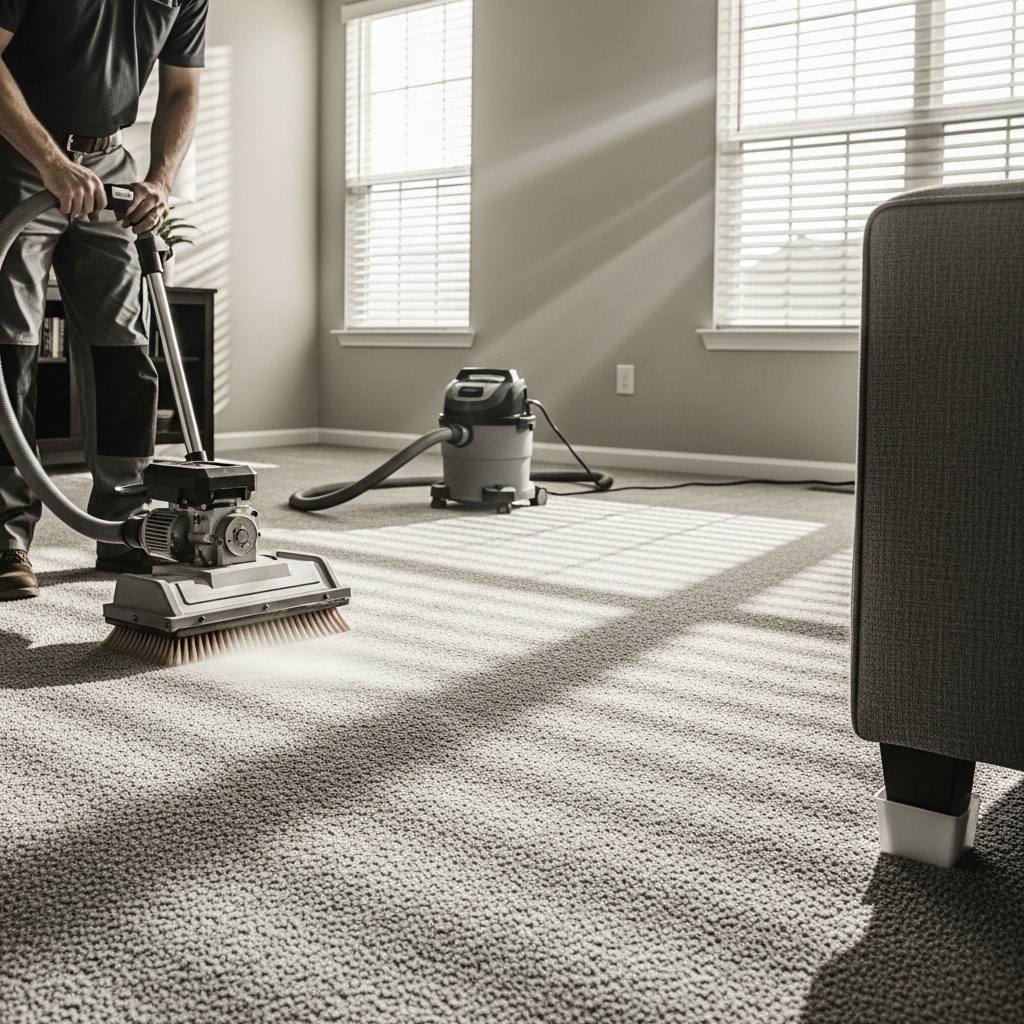
Dry or low-moisture systems typically apply a controlled amount of solution designed to loosen and encapsulate soils. Agitation distributes the product and helps detach debris from fiber surfaces. As the solution cures, it forms brittle crystals around soil particles, which are removed during vacuuming. The result is a refreshed appearance with reduced drying time compared to traditional extraction.
Because moisture levels are lower, rooms often return to use quickly. This makes dry cleaning an excellent maintenance option for spaces that cannot be out of service for long periods. However, results depend on thorough pre-vacuuming, even application of chemistry, proper agitation, and complete post-vacuuming to remove encapsulated soils.
Pros of Dry Carpet Cleaning
- Fast reoccupation: Low moisture allows many rooms to be used within a short time frame, a big plus for busy homes.
- Reduced risk of over-wetting: Properly applied, dry methods help protect against pad saturation and prolonged drying.
- Maintenance-friendly: Ideal for interim cleanings between periodic restorative extractions, keeping appearance high.
- Energy efficiency: Lower water use can mean less energy required for heating and extraction.
- Fiber versatility: Many synthetic fibers respond very well to encapsulation, maintaining a crisp, groomed look.
Cons of Dry Carpet Cleaning
- Limited deep soil removal: Dry systems focus on surface and near-surface soils; embedded contamination may remain.
- Pet odor challenges: Odors originating in backing or pad may require targeted treatments beyond low-moisture methods.
- Residue risk if misapplied: Over-application or inadequate vacuuming can leave product behind and lead to resoiling.
- Not ideal for severe buildup: After renovations, heavy grease, or long intervals without cleaning, extraction may be more effective.
- Technique sensitive: Results depend on trained technicians who control application rate, dwell time, and agitation.
Where Dry Methods Shine in Tampa Homes
Bedrooms, home offices, and lightly soiled living areas often respond beautifully to dry cleaning. In multi-level homes, low-moisture methods are convenient for stairs and landings, where quick drying prevents slip hazards and allows normal traffic to resume. During humid summers, controlling moisture can be especially helpful in basements and lower levels, provided airflow and dehumidification are managed.
For households that entertain frequently, dry cleaning offers an efficient way to prepare high-visibility spaces without committing to longer drying windows. It is also a practical option for routine touch-ups between deeper restorative services, preserving appearance while minimizing disruption.
When to Prefer Hot Water Extraction Instead
Extraction shines when carpets are heavily soiled, traffic lanes are visibly dark, or odors persist after maintenance cleanings. The heated rinse and recovery process removes bonded residues and fine particulates that low-moisture methods cannot fully capture. After renovations or during seasonal resets, extraction helps “reboot” the carpet so that subsequent dry cleanings maintain a higher baseline of cleanliness.
Pet accidents that penetrate to the backing or pad also call for specialized treatments often paired with extraction. A skilled technician will inspect, identify affected areas, and recommend a plan that addresses both hygiene and appearance, not just surface soils.
Combining Methods for Best Results
Many Tampa homeowners benefit from a hybrid plan: schedule extraction for high-traffic areas seasonally or semiannually, then use dry cleaning for interim maintenance in lower-traffic rooms. This approach balances deep hygiene with convenience and quick turnaround. The key is thoughtful scheduling and open communication with your provider about goals and constraints.
In practice, technicians may use dry cleaning on bedrooms and offices while performing hot water extraction on family rooms, hallways, and stairs. The result is a whole-home strategy that respects both your schedule and your carpet’s needs.
Questions to Ask a Provider About Dry Cleaning
- Which rooms in my home are best suited to dry cleaning versus extraction, and why?
- What steps do you take to ensure thorough pre-vacuuming and post-vacuuming?
- How do you prevent residue or over-application of encapsulant?
- What is your plan for pet odors or recurring spots?
- How do you manage airflow and dehumidification to support quick, complete drying?
- How will you protect baseboards, thresholds, and furnishings during agitation?
Dry Cleaning and Indoor Air Quality
Low-moisture systems can contribute to a cleaner environment by removing fine particles that vacuums alone may miss. However, dry cleaning should not replace periodic restorative extraction, which removes deeper accumulations of soil and residues. A balanced plan optimizes both appearance and indoor air quality by leveraging each method’s strengths.
Discuss filtration lines, HVAC habits, and household sensitivities with your provider. They can suggest a cadence that supports cleaner air while minimizing downtime, which is especially valuable in busy households.
Understanding Limitations and Setting Expectations
Clear expectations lead to satisfaction. Dry cleaning excels at improving surface appearance and managing light to moderate soils. It is not the best choice for severe contamination or bonded residues from cooking oils, urban particulates, or renovation dust. Your provider should explain what improvement is likely and when a different method will serve you better.
In some cases, a room may benefit from targeted spotting and agitation before dry cleaning, or from a follow-up vacuum cycle after the encapsulant has fully cured. These details matter and distinguish high-quality service from quick, superficial passes.
Frequently Asked Questions
Q: Is dry carpet cleaning truly dry? A: Most systems are low-moisture, not completely dry. They use controlled amounts of solution that cure and are removed through vacuuming, leaving carpets ready for use relatively quickly.
Q: Will dry cleaning remove deep pet odors? A: Surface improvements are possible, but odors that have penetrated backing or pad require targeted treatments and often extraction. A thorough inspection will determine the right approach.
Q: How often should I use dry cleaning? A: As a maintenance tool, dry cleaning can be scheduled between periodic extractions. Frequency depends on traffic and lifestyle. Many households pair seasonal or semiannual extraction with interim dry cleanings.
Q: Can dry cleaning leave residue? A: When properly applied and thoroughly vacuumed, residue is minimized. Over-application or inadequate post-vacuuming can lead to resoiling, which is why technique and training are important.
Q: Is dry cleaning safe for all fibers? A: Many synthetic fibers respond well. Delicate or natural fibers may require specialized approaches. Your technician should test and confirm suitability before proceeding.
Make an Informed Choice for Your Home
Dry carpet cleaning is a powerful tool when matched to the right rooms and soil levels. For busy Tampa households, it offers fast turnaround and reliable maintenance between deeper services. Balance convenience with thorough hygiene by integrating methods thoughtfully. If you are ready to design a plan that fits your schedule and your flooring, consult a trusted local provider and book professional carpet cleaning to keep your home fresh, comfortable, and guest-ready all year.