
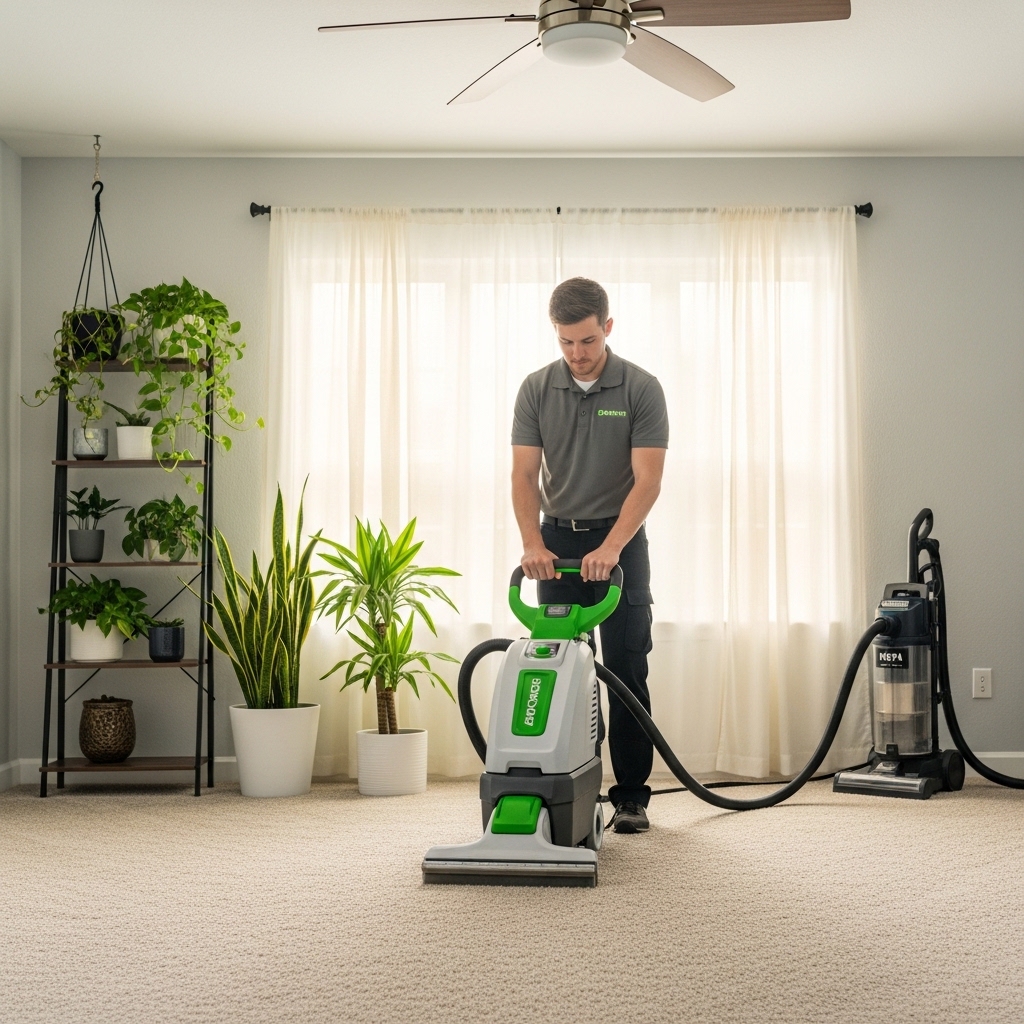
Eco-Friendly Carpet Care in Tampa for Allergy Relief
For many Tampa families, indoor comfort depends on two things: healthy air and clean, soft flooring. Allergies complicate the picture; dust mites, pet dander, pollen, and mold spores can linger in carpet pile and padding without the right maintenance plan. The good news is that a green, science-based approach can improve comfort while respecting your home and the environment. From plant-forward solutions to high-efficiency filtration, this guide explains how to reduce triggers and keep rooms feeling fresh in a humid climate. If you want a dependable path to cleaner floors, experienced carpet cleaning professionals in Tampa combine eco-smart chemistry with moisture control to support better breathing.
Eco-friendly does not mean less effective. It means using the least amount of chemistry needed to achieve results, selecting products with safer profiles, optimizing water and energy use, and focusing on thorough extraction so residues do not linger. The following sections will help you evaluate methods, plan maintenance, and implement habits that reduce exposure to common allergens.
Understanding Allergy Triggers in Carpets
Carpets act as filters, catching particles that would otherwise remain airborne. This can benefit indoor air quality when those particles are removed regularly. Allergens such as dust mite fragments, pet dander, and pollen settle into fibers where they can be removed by vacuuming and professional maintenance. In Tampa’s climate, moisture introduces additional concerns: mold spores can thrive where humidity and organic matter meet. A thoughtful approach to cleaning emphasizes extraction, ventilation, and balanced moisture so that contaminants are removed rather than redistributed.
Allergy challenges also vary by season. Spring brings pollen, summer invites frequent storms and high humidity, and fall often coincides with closed windows and more time indoors. Each season influences how you schedule and support drying.
Green Chemistry and Method Choices
Eco-forward cleaning focuses on products with lower volatile organic compounds, balanced pH, and biodegradable surfactants. Technicians select solutions tailored to fiber type—wool, nylon, polyester—and soil load. Hot water extraction remains a cornerstone for deep flushing when used responsibly, with careful control of solution volume and heat, followed by powerful recovery. Low-moisture methods can be ideal for routine maintenance in lightly soiled rooms, using encapsulating agents that crystallize soil for easy removal during subsequent vacuuming.
The key is minimal, targeted chemistry and maximum removal. Products should be applied where needed, given appropriate dwell time, and thoroughly extracted. This approach reduces residues that can attract soil or trigger sensitivities. A well-ventilated environment, supported by AC and fans, shortens dry times and lowers the chance of musty odors.
Equipment That Supports Healthy Results
HEPA-filtered vacuums capture fine particles during pre-vacuuming and post-cleaning maintenance. High-performance extractors lift soil and solution efficiently, reducing the amount of moisture left behind. Grooming tools align fibers for even drying and improved appearance. Air movers increase evaporation across the surface, allowing households to re-enter rooms sooner with less risk of lingering dampness.
For allergy-sensitive homes, the combination of HEPA filtration, precise application of solutions, and strong extraction makes a noticeable difference in how rooms feel after service. You should notice air that feels clearer, carpets that dry promptly, and fewer recurring spots.
Moisture Management in Tampa’s Humidity
Managing moisture is non-negotiable for allergy relief. Overwetting can contribute to mustiness and slow drying, which is counterproductive in a humid environment. Professionals balance solution use with powerful recovery and immediate airflow. Homeowners can assist by running air conditioning, using ceiling fans, and operating a dehumidifier during and after service. Opening interior doors allows conditioned air to move freely throughout the home.
If an afternoon storm is expected, aim for a morning appointment so you can capitalize on drier hours earlier in the day. Keep entry mats in place to reduce tracked-in moisture and grit from outdoors.
At-Home Habits That Reduce Allergens
- Vacuum thoroughly and consistently, especially in high-traffic lanes and near beds and seating.
- Use a vacuum with HEPA filtration and maintain filters and bags according to manufacturer guidance.
- Adopt a shoe-off policy and place mats at entrances to minimize grit and pollen.
- Wash area rugs and doormats regularly to prevent buildup.
- Control indoor humidity; use AC and dehumidifiers to maintain comfortable levels.
- Address spills promptly with blotting, not scrubbing, and use a gentle, neutral spotter when needed.
- Schedule periodic professional maintenance to reset fibers and remove embedded contaminants.
Special Considerations for Pets and Kids
Active families produce more particles—pet hair, snack crumbs, craft glitters—that settle into the pile. Set up routines: weekly vacuum zones, spot checks after playtime, and washable throws in favorite lounging areas. Pet owners should brush pets frequently and address accidents quickly with blotting and ventilation. When professional service is scheduled, share pet-related concerns with your technician so they can plan enzyme or odor-neutralizing steps if appropriate.
Allergy-sensitive households may choose fragrance-free or lightly scented products. Communicate preferences in advance so technicians can select options that respect sensitivities while achieving a thorough clean.
Scheduling for Allergy Relief
Pick times that support drying and minimal disruption. For many, morning appointments before school or work hours allow for a full day of evaporation, with rooms ready by evening. Seasonal maintenance often aligns with pollen cycles: a deep refresh after heavy pollen drops, followed by routine upkeep later in the year. If you notice increased symptoms at certain times, consider adjusting your schedule to preempt triggers.
When you plan, think beyond the calendar. Coordinate with HVAC use, fan placement, and the order of rooms to be cleaned. Prioritizing bedrooms and living areas first gives them a head start on drying.
Evaluating Providers for Eco and Allergy Goals
Look for clear explanations of process: pre-vacuuming with HEPA filtration, fiber-based solution selection, controlled dwell, agitation, thorough extraction, grooming, and drying strategies. Ask about low-VOC options and fragrance-free choices. A provider who can describe their approach step by step will also be prepared to adjust for Tampa’s humidity and your family’s sensitivities.
Transparency around methods and aftercare indicates a team that values long-term results. Providers should offer guidance on ventilation, post-cleaning vacuuming, and simple habits that preserve your carpet’s appearance and comfort.
Post-Cleaning Care and Long-Term Benefits
After service, keep airflow strong until carpets are fully dry. Avoid heavy traffic while the pile resets. Once dry, vacuum to lift fibers and remove any encapsulated residues. Maintain humidity control to prevent musty odors. Over time, consistent maintenance reduces the load of allergens, making rooms feel more comfortable day to day.
Pair carpet care with broader air-quality habits: change HVAC filters regularly, use bathroom and kitchen exhaust fans, and open windows on mild, dry days to flush indoor air. Layering these practices compounds the benefits of each professional visit.
Frequently Asked Questions
Q: Are green products as effective as traditional ones? A: When chosen and used correctly, yes. The combination of targeted chemistry and strong extraction delivers excellent results while minimizing residues and odors.
Q: Can cleaning make allergies worse? A: Properly performed cleaning reduces allergens. Temporary sensitivity can occur if residues are left behind, which is why thorough extraction and ventilation matter.
Q: How often should allergy-sensitive homes schedule service? A: Frequency depends on activity level, pets, and symptoms. Many families choose a seasonal rhythm complemented by diligent vacuuming.
Q: Is hot water extraction compatible with eco goals? A: Yes, when balanced with controlled moisture and efficient recovery. It removes deep soil and residues that can contribute to irritation.
Q: What about fragrance-free options? A: Many providers offer low- or no-fragrance solutions. Communicate preferences in advance so the plan fits your needs.
Breathe Easier with a Green Approach
Eco-friendly methods and allergy-aware planning can transform how your home feels—cleaner, softer underfoot, and more comfortable for sensitive family members. If you are ready to pair smart chemistry with climate-savvy drying, schedule professional carpet cleaning and enjoy fresher rooms and clearer air all year long.