Introduction
Selecting residential carpet cleaning in Naperville, Florida is about more than a quick refresh. It is a decision that affects household health, indoor air quality, and the long-term appearance of your flooring. With seasonal moisture, tracked-in grit, and busy family routines, Tampa homes need a service that adapts to local conditions and household habits. In this guide, you will learn exactly how to evaluate providers, compare methods, and build a maintenance plan that fits your lifestyle. If you are just beginning, start by identifying companies with a strong track record in residential carpet cleaning, clear communication, and a commitment to careful, respectful service inside your home.
The best residential cleaner focuses on people first: your family’s routines, your pets, your schedule, and your comfort level. They use techniques that match carpet fibers and soil loads, explain each step, and provide practical aftercare. Instead of treating cleaning as a one-time fix, they help you build a sustainable plan that keeps carpets looking great throughout the year.
Clarify Your Goals and Constraints
Before contacting providers, note your priorities. Do you need spot treatment for a recent spill, or are you planning a whole-home refresh before hosting guests? Are pet odors a concern? How important are fast dry times? What about chemical sensitivities? When you define goals early, you can quickly determine whether a company’s process aligns with your needs, particularly around drying expectations, protective treatments, and stain management.
Constraints also matter. Consider access and parking, rooms that must remain open, and any furniture that cannot be moved. Share these details during your initial call so the company can plan appropriately and avoid disruptions during the visit.
Understand Residential Cleaning Methods
Most residential cleaning falls into two categories: hot water extraction (often called steam cleaning) and low-moisture or encapsulation. Hot water extraction is excellent for restorative cleaning because it rinses and extracts accumulated soil from deep within the pile. Low-moisture methods use specialized solutions that bind soils for later vacuuming and can be ideal for maintenance cleanings or situations where faster drying is a priority.
An experienced residential provider will use either method—or a combination—based on fiber type and soil conditions. Heavily trafficked family rooms might benefit from extraction, while bedrooms or lightly soiled areas may be maintained effectively with low-moisture techniques between periodic deeper cleanings. The key is matching the method to the space rather than using a one-size-fits-all approach.
Evaluating Providers: What to Look For
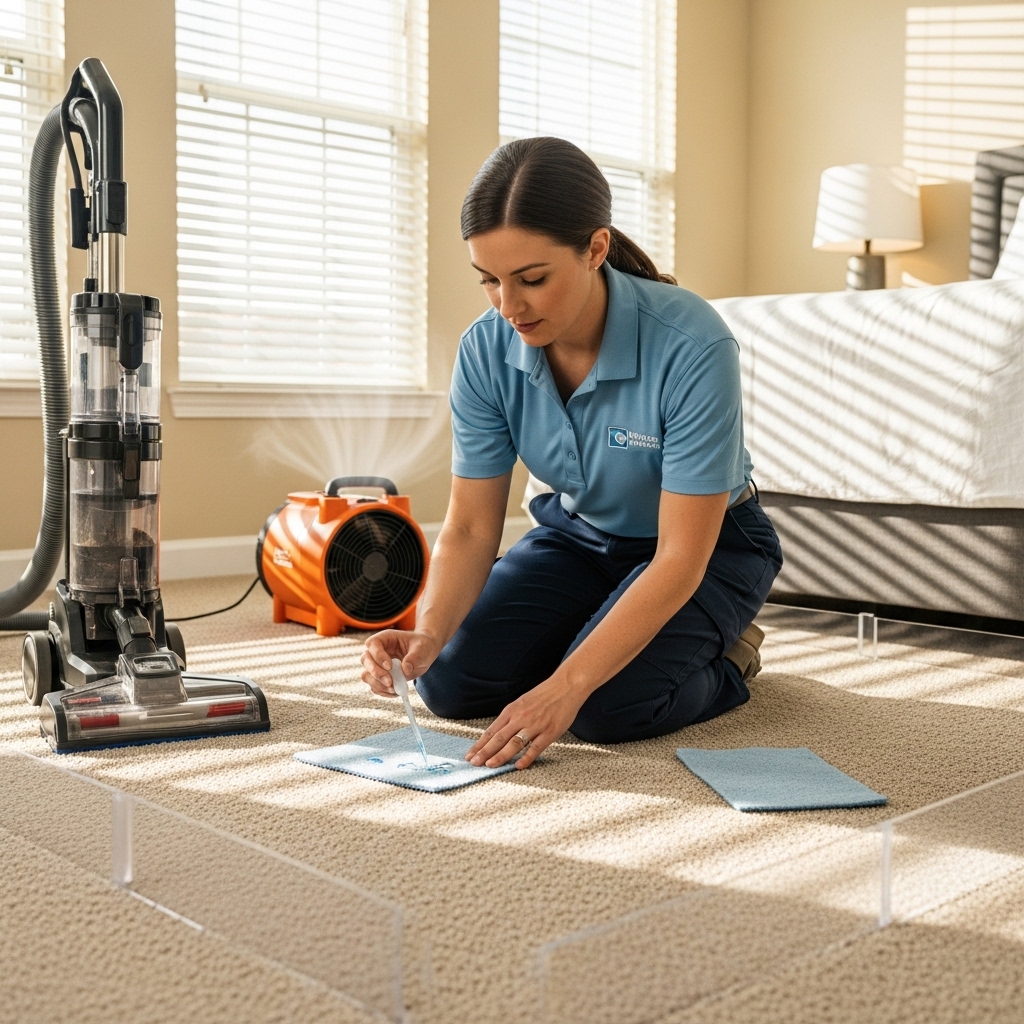
Look for signs of professionalism at every step. A reputable provider conducts a pre-inspection, tests for colorfastness, identifies permanent stains, and vacuums thoroughly before any wet process. They explain which solutions they will use and why, discuss drying expectations, and outline how they will protect baseboards and furniture. Transparent communication builds trust and prevents misunderstandings.
Also pay attention to training and company culture. Do technicians follow a consistent checklist? Are they equipped with corner guards, air movers, and grooming tools? Are arrival windows reasonable and respected? Residential service happens in your personal space, so reliability and respect are crucial parts of quality.
Questions to Ask on the Phone
- How do you determine whether to use hot water extraction or low-moisture methods in a given room?
- What is your pre-inspection process, and do you vacuum before cleaning?
- How do you handle pet odors and recurring spots?
- What are typical drying times, and how can we accelerate them?
- Do your technicians receive ongoing training, and are they insured?
- How do you protect walls, corners, and thresholds during hose routing?
- What aftercare tips do you recommend to reduce resoiling?
- Can you explain any limitations, such as permanent stains or wear patterns?
Matching Methods to Tampa Homes
Naperville’s weather creates predictable soil patterns: winter salt lines at entries, spring pollen deposits, and summer humidity that can slow drying if not managed. Your cleaner should be familiar with these conditions and adapt with appropriate pre-treatments and airflow strategies. They may use extra agitation on entryways, focus extraction on staircase treads, and recommend seasonal maintenance to keep walkways looking consistent.
Basements and lower levels often benefit from enhanced ventilation during and after cleaning. Ask your provider to plan fan placement, open windows when appropriate, and coordinate HVAC settings to maintain steady air movement. Drying is not just about time—it is about preventing wick-back and leaving fibers in a stable, neutral state.
Red Flags When Choosing
Be cautious of companies that refuse to discuss their process in detail, make unrealistic promises, or push aggressive add-ons without explanation. Another warning sign is skipping dry soil removal; vacuuming before wet cleaning is foundational to quality results. Also watch out for rigid, single-method approaches that ignore fiber differences and household needs. The best residential service is flexible, thoughtful, and transparent.
Finally, beware of unclear scheduling or poor communication. Residential cleaning requires coordination, especially if you are balancing children, pets, or remote work. Respect for your time is a strong indicator of a company’s overall professionalism.
How to Compare Proposals
Instead of comparing only broad claims, look at the details: pre-inspection steps, the specific method recommended for each room, how pet issues will be handled, and the expected dry times. Ask for a simple written outline. A thorough plan demonstrates that the company paid attention to your goals and constraints, not just a generic checklist.
Also consider long-term support. The best providers keep notes from visit to visit, tracking filtration lines, problem spots, and recommendations for the next cleaning. This continuity helps your carpets age gracefully, reducing the likelihood of premature replacement. During your comparison process, it may help to review educational resources on professional carpet cleaning methods to understand why a provider suggests a particular approach for each area of your home.
Preparing Your Home for a Smooth Appointment
Preparation goes a long way. Tidy floors, secure fragile items, and plan pet arrangements. If specific furniture must stay in place, inform the team ahead of time. Clear parking and access to water also help the appointment run efficiently. After the cleaning, follow any advice regarding ventilation, temporary foot traffic protection, and the timeline for replacing furniture or area rugs.
If you work from home, consider how noise and access might affect your day. Schedule accordingly, and ask the technician to coordinate the sequence of rooms so you can keep your routine moving with minimal disruption.
Maintenance Between Professional Visits
Daily habits influence how long your carpets look their best. Vacuum high-traffic areas several times a week, especially near entryways and hallways. Use walk-off mats to capture grit and moisture. Address spills promptly with blotting, not scrubbing. If you are unsure about a spotter, ask your technician for a product recommendation compatible with your carpet fiber and protector status.
Consider a routine that alternates deeper cleanings with low-moisture maintenance. This approach keeps appearance high, manages odors, and supports a healthier indoor environment. It can also be scheduled around busy seasons and family events for maximum convenience.
Simple Homeowner Checklist
- Define goals: appearance, odor management, or deep hygienic refresh.
- List constraints: schedule, rooms to prioritize, furniture that stays.
- Ask detailed process questions and request a written outline.
- Confirm drying expectations and airflow strategies for each area.
- Discuss pet concerns and spot treatment limitations.
- Plan maintenance and vacuuming frequency between visits.
- Track results across appointments for continuous improvement.
Frequently Asked Questions
Q: How often should I clean residential carpets? A: Many Tampa homes do well with a 6 to 12 month cycle, adjusting for pets, kids, and seasonal soil.
Q: Which method is best for bedrooms versus family rooms? A: Bedrooms often respond well to low-moisture maintenance, while family rooms with heavy traffic may benefit from periodic hot water extraction combined with targeted spotting.
Q: How can I speed up drying? A: Increase airflow with fans, open windows when weather permits, and run HVAC in fan mode. Your technician can place air movers strategically to improve circulation.
Q: Are protectors worth it? A: In busy homes, protectors can slow resoiling and make spots easier to remove. Discuss fiber type and expected performance with your cleaner.
Q: Can you remove all pet odors? A: Many can be significantly improved with the right process. Some deep contamination may require additional steps beyond surface cleaning. A pre-inspection will clarify realistic outcomes.
Q: Is it safe for kids and pets to be home during cleaning? A: Yes, when proper procedures and ventilation are used. Communicate any sensitivities and follow the technician’s aftercare instructions.
Take the Next Step for Your Tampa Home
Choosing the right residential cleaner means aligning methods, expectations, and communication with your household’s needs. Start with a conversation about goals, get a clear plan for each room, and schedule at a time that supports drying and daily routines. When you are ready to elevate comfort, appearance, and indoor air quality, book professional carpet cleaning with a trusted Tampa team and enjoy a fresher, healthier home.