
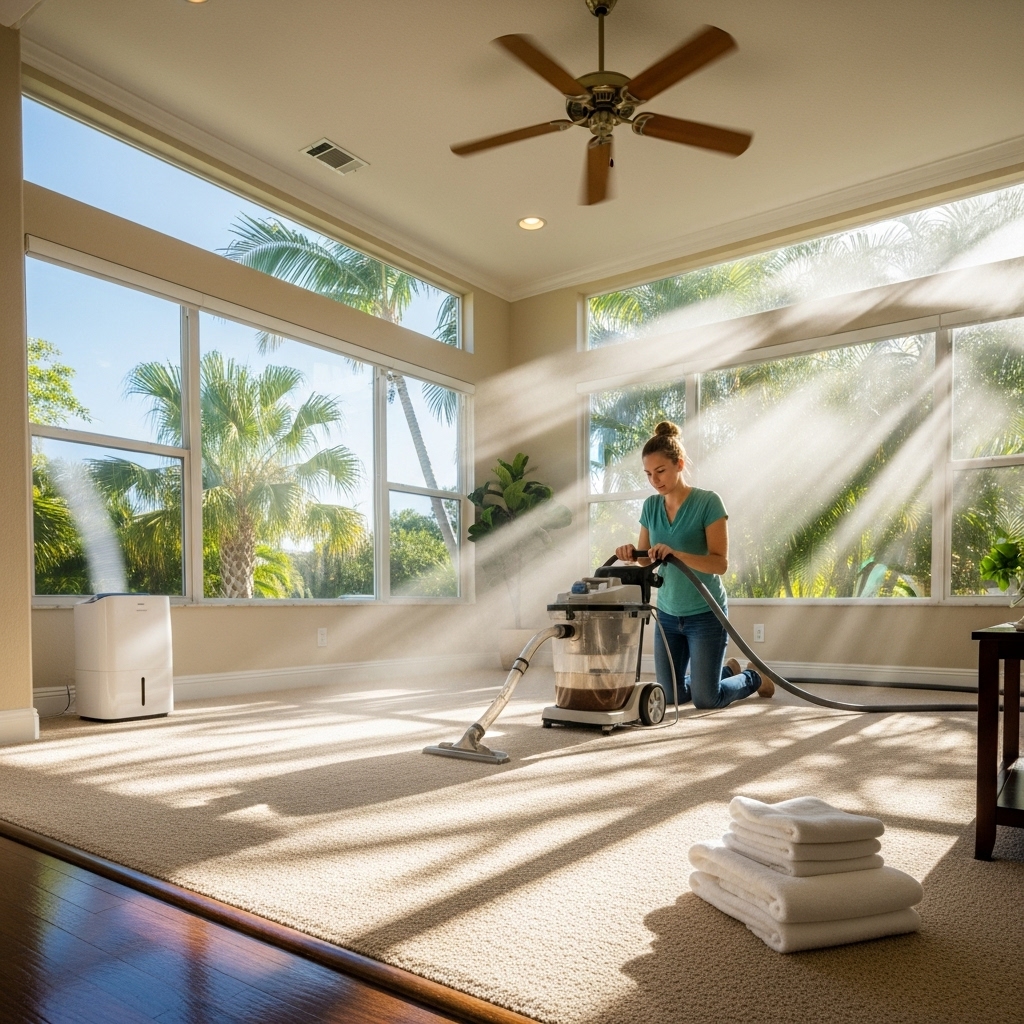
Introduction: DIY Carpet Care the Tampa Way
Keeping carpets fresh in Tampa, Florida requires more than a quick vacuum. Between coastal humidity, sand tracked in from beaches, daily spills, and frequent storms that raise indoor moisture, your carpet works hard every day. This guide explains how to clean carpets at home with techniques that respect local climate conditions while protecting fibers and backing. Whether you are tackling traffic lanes after a busy weekend or planning a full seasonal refresh, you will find step-by-step methods, supply lists, and troubleshooting tips that fit Tampa homes and lifestyles. If a job turns out bigger than expected, learning the basics also helps you speak the same language as local pros and decide when to supplement your routine with occasional carpet cleaning.
Before you begin, remember that successful results come from a combination of dry soil removal, targeted stain treatment, gentle chemistry, correct dwell time, thorough rinsing, and fast drying. Missing one component can cause rapid re-soiling, discoloration, or lingering odors. The sections that follow organize these steps for Tampa homeowners, with options to match your budget, equipment, and comfort level.
Finally, safety matters. Always spot test products in a low-visibility area and follow label directions. Keep pets and children away from wet areas and cleaning agents during and after the process until everything is dry.
Understand Your Carpet and Tampa’s Climate
Carpet construction affects how you clean. Nylon resists abrasion and bounces back well after cleaning. Polyester repels many water-based stains but can attract oily soils. Olefin (polypropylene) handles moisture but can crush in traffic lanes. Wool is durable yet sensitive to high-pH products and excessive heat. If you have the manufacturer’s guide, check recommended pH ranges and approved cleaning methods.
Tampa’s humid subtropical climate adds extra variables. High humidity slows drying, and moisture trapped in the backing can lead to odor or microbial growth. Pollen, fine sand, and salt spray can ride into the home on shoes and paws. The result is a mix of gritty soils that abrade fibers and sticky residues that bond to yarns. Your plan should emphasize thorough vacuuming, controlled moisture, and aggressive drying to counter local conditions.
Tools and Supplies You Will Need
- Vacuum with strong suction and a height-adjustable beater bar
- Crevice tool and upholstery attachment for edges and stairs
- Clean white cotton towels or microfiber cloths
- Soft-bristle carpet brush or grooming rake
- Bucket and measuring cup for proper dilution
- Sprayer for pre-spray and rinse solutions
- Neutral to mildly alkaline carpet pre-spray suitable for your fiber type
- Enzymatic spotter for food and pet stains
- Oxidizing spotter for organic discolorations (color-safe)
- Solvent spotter for oily residues, paint, or gum (use sparingly)
- Portable extractor or a rental hot water extraction machine
- Fans or air movers; ceiling fans on low can assist
- Dehumidifier for humid days or when the AC is off
- Protective gloves and eye protection
Step 1: Preparation and Inspection
Clear the room as much as practical. Move light furniture and place foil or plastic tabs under the legs of heavier pieces that remain. Inspect the carpet in good lighting, noting traffic lanes, spills, pet areas, and wicking spots that have reappeared after past cleanings. Photograph problem areas to compare before and after, and to confirm whether a stain is permanent or merely stubborn.
Set your thermostat to run the air conditioner for climate control. In Tampa, conditioning the space during and after cleaning is essential for removing moisture from the air, which speeds carpet dry times and reduces the chance of odor.
Step 2: Dry Soil Removal
Most soil in carpet is dry and gritty, and vacuuming is the easiest way to remove it. Make two to four slow vacuum passes in high-traffic zones, changing direction to lift pile. Use the crevice tool along baseboards and under furniture edges where dust accumulates. This step reduces the mud effect when liquid is introduced and prevents soil from sticking deeper into the backing during extraction.
Step 3: Spot Treatment
Address spots before cleaning large areas. Blot liquids with a white towel; never rub, which can distort fibers. For food and drink spills, use an enzymatic spotter to break down proteins and sugars. For oily residues, apply a small amount of solvent spotter to a towel and dab from the edges toward the center. For organic discolorations like coffee or tea, a color-safe oxidizer can help, but spot test first on an inconspicuous area.
Allow spotters to dwell per label directions. Rinse with a lightly damp towel afterward to prevent sticky residue that could attract new soil. Place a dry towel over treated areas and tamp gently to remove excess moisture.
Step 4: Pre-Spray and Agitation
Mix your pre-spray according to the manufacturer’s dilution for your carpet type. Apply evenly to traffic lanes and soiled areas with a pump sprayer, avoiding over-wetting. The idea is to coat fibers lightly so the chemistry can dissolve bonded soils. Allow a few minutes of dwell time. Agitate gently with a carpet brush or grooming rake to distribute the solution and lift the pile. Dwell time is key; rushing can leave soils behind.
Step 5: Hot Water Extraction or Low-Moisture Options
For most synthetic residential carpets, hot water extraction provides a deep rinse that removes soil and residues. Use clean water or a mildly acidic rinse in your machine to neutralize alkalinity from pre-sprays and spotters. Make slow wet passes followed by dry passes to remove as much water as possible. Keep an eye on waste tank clarity; if it remains very dark, you may need more dry passes.
If you prefer a low-moisture option due to Tampa humidity or equipment availability, consider an encapsulation product. Apply per label, lightly agitate, allow to dry, and vacuum the crystallized residues. Encapsulation can be excellent for maintenance between deep cleans, though periodic extraction is still recommended to flush the backing.
Step 6: Rinse and Neutralize
Neutralization matters, especially after using alkaline pre-sprays. A mild acidic rinse helps return fibers to a near-neutral pH, improving softness and reducing rapid re-soiling. Focus on traffic lanes. Keep moisture in check by following each wet pass with multiple dry strokes. Inspect with good lighting to ensure even results.
Step 7: Grooming and Pile Setting
Grooming aligns fibers, distributes remaining moisture, and reduces wand marks. Use a carpet rake to set the pile in one direction. This also opens the fibers so air can move through them, improving dry times.
Step 8: Accelerate Drying
Drying is where many DIY jobs stumble in Tampa’s climate. Run the AC, set up fans to move air across the carpet (not straight down), and crack windows briefly if outdoor humidity is lower than indoors. A dehumidifier helps pull moisture out of the room. Avoid replacing furniture or area rugs until the carpet feels dry to the touch from the tips down to the backing.
Step 9: Odor Control and Freshness
If odors persist, identify the source. Food residues may need additional enzymatic treatment. Pet-related odors can be stubborn because they migrate into padding; surface cleaning alone might not reach them. Lightly mist an appropriate deodorizer after cleaning, groom it in, and continue drying. Avoid heavy perfumes that mask odors without addressing causes.
Special Tampa Considerations: Sand, Pollen, and Storms
Fine sand can work deep into carpet and act like sandpaper. Use entry mats at doors, and make vacuuming near entries a priority. During spring pollen events, vacuum more often and replace HVAC filters to reduce airborne dust. After storms, monitor indoor humidity and dry damp entry rugs promptly so moisture does not transfer to nearby carpet.
Stain and Spill Playbook
- Coffee and tea: Blot, apply color-safe oxidizer, allow dwell, rinse, and blot dry.
- Wine: Blot immediately, use an enzymatic or tannin spotter, avoid heat until the stain lightens.
- Grease: Apply solvent to a towel and transfer the spot, then rinse to remove residue.
- Gum: Harden with an ice cube, chip gently, and treat leftover residue with a small amount of solvent on a towel.
- Pet accidents: Remove solids, blot liquids, apply enzyme, cover with a damp towel to keep enzymes active, then rinse and dry thoroughly.
- Ink: Test a specialized ink remover; dab gently, never scrub; follow with a rinse.
Common Mistakes to Avoid
- Over-wetting areas and failing to dry them quickly
- Using too much detergent and skipping the rinse step
- Scrubbing vigorously and damaging the pile
- Ignoring pH guidelines for wool or delicate fibers
- Neglecting regular vacuuming, which allows grit to build up
- Skipping spot testing and causing color changes
Maintenance Schedule for Tampa Homes
Establish a routine that keeps soil under control. Vacuum main walkways two to four times per week, and bedrooms one to two times weekly. Spot clean spills immediately to prevent permanent staining. Plan a low-moisture maintenance clean every one to three months, depending on traffic and pets. Schedule a full extraction every six to twelve months, or more often if humidity or lifestyle contributes to rapid soiling.
When DIY Is Not Enough
Some issues require advanced tools or specialized chemistry. Pet urine that has soaked into padding, recurring browning in traffic lanes, filtration lines along baseboards, and post-restoration moisture problems are examples. In these cases, a trusted Tampa professional can assess backing, pad, and subfloor conditions, and apply solutions that go beyond consumer-grade machines. For example, sub-surface extraction, advanced odor treatments, or heat-assisted processes can resolve problems that keep coming back after home attempts. If you decide to bring in help, look for a provider with a clear process, fiber-specific chemistry, and a strong reputation for Tampa’s climate. Strategic use of professional carpet cleaning between your DIY sessions can extend carpet life and keep indoor air fresher.
Post-Clean Care and Prevention
Once dry, return furniture with protective tabs to prevent rust or wood dye transfer. Consider rearranging furniture occasionally to change traffic patterns and reduce wear lanes. Use runners in hallways and mats near entrances to control sand and moisture. Remove shoes at the door to reduce grit and oils tracked inside. Groom traffic lanes gently every few weeks to keep fibers upright and to minimize the appearance of pathways.
Frequently Asked Questions
Q: How long should carpet take to dry in Tampa? A: With AC and fans, most carpets should dry within 6–12 hours. High humidity may extend this, so run a dehumidifier or increase airflow to speed the process.
Q: Can I use vinegar on all carpets? A: Vinegar is acidic and can help with certain odors, but it is not a universal cleaner and can set some stains or affect dyes. Use carpet-specific products and always test first.
Q: How often should I deep clean? A: For active households in Tampa, deep cleaning every 6–12 months is common, supplemented with interim low-moisture maintenance every 1–3 months.
Q: What if a stain keeps returning? A: That is likely wicking from the backing or pad. Try multiple light rinses with fast drying. If it persists, it may require sub-surface treatment.
Q: Is hot water extraction safe for all carpets? A: It is broadly safe for most synthetics when done properly, but wool and some specialty fibers require lower temperatures and careful pH control.
Q: Should I groom after cleaning? A: Yes. Grooming aligns fibers, speeds drying, and improves the finished look of your work.
Q: Are rental machines effective? A: They can be effective for maintenance if you vacuum thoroughly, pre-treat correctly, and dry aggressively. For heavily soiled areas, professional extraction may be more efficient.
Ready to Refresh Your Tampa Carpets?
If you follow these steps, you can keep your carpets clean, soft, and healthy despite Tampa’s humidity and active lifestyles. When a problem goes beyond what home equipment can handle—or when you simply want a deeper periodic reset—schedule expert carpet cleaning to complement your routine and protect your investment for the long term.