
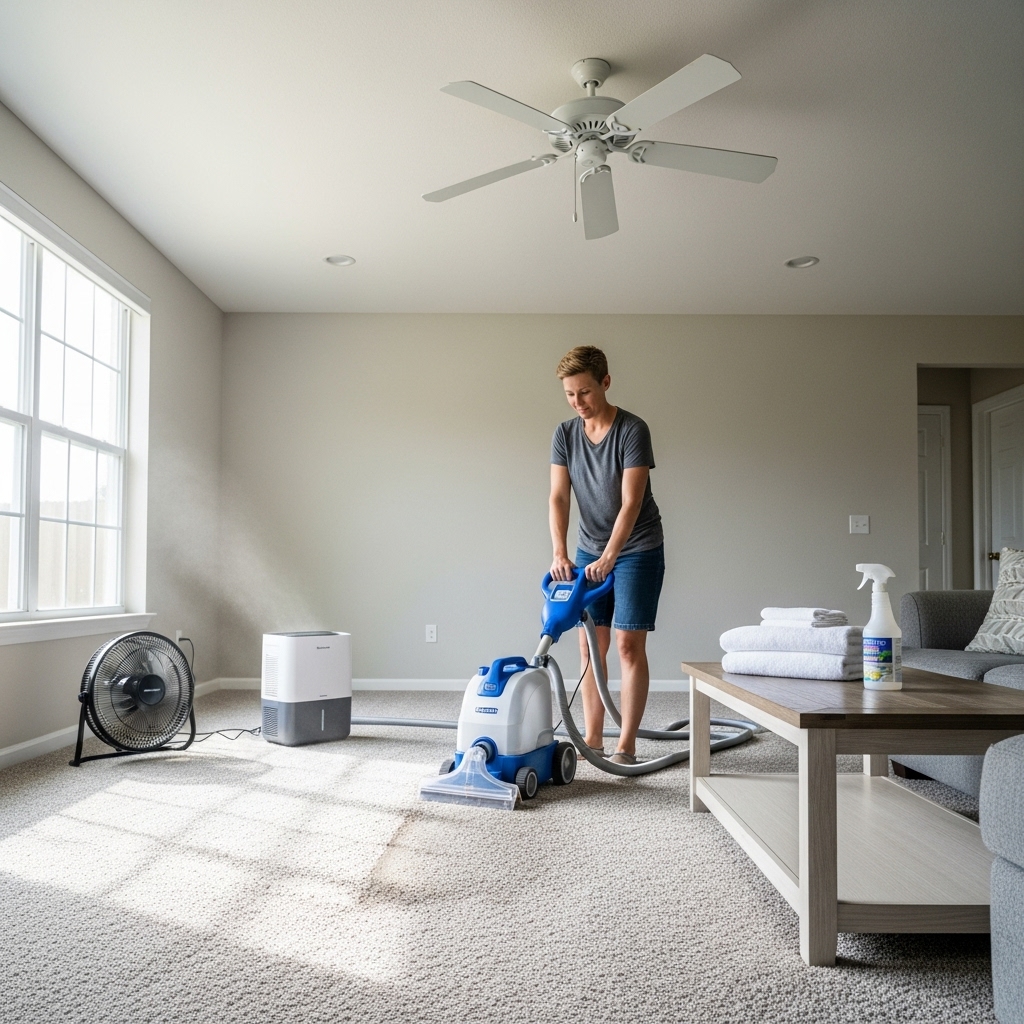
Performing carpet cleaning at home in Tampa, Florida calls for two things: sound technique and weather-aware timing. Tampa’s humidity, frequent afternoon showers, and sandy foot traffic can complicate even simple chores, but with the right steps you can achieve excellent results. This guide walks you through preparation, spot treatment, deep cleaning, and drying—showing how to adapt each stage for Tampa’s climate. If you prefer to combine DIY care with occasional expert assistance, you can pair your routine with scheduled carpet cleaning to keep everything on track without overloading your weekend.
Before diving into methods, take note of your carpet’s fiber and condition. Nylon, polyester, and wool have different tolerances for heat and chemistry. When in doubt, consult manufacturer guidance and test products in an inconspicuous area. Tampa homeowners will also benefit from thinking ahead about airflow and dehumidification so each wet step dries quickly and completely.
Step 1: Assemble a Tampa-Ready Kit
Gather essential tools: a vacuum with strong suction and a properly adjusted beater bar, white cotton towels, a neutral pH spotter, a modest solvent spotter for oily residues, a spray bottle of water, and a carpet rake or grooming brush. If you plan to extract, have a reliable extractor with adjustable water flow, plus access to fans and, ideally, a dehumidifier. Keep everything in one place so you can act fast when spills happen.
Set up your environment. Close windows during muggy periods, run ceiling fans, and ensure your HVAC is circulating conditioned air. If you own a portable dehumidifier, stage it in the area you will be cleaning to shorten dry times.
Step 2: Dry Soil Removal
Vacuum thoroughly before you apply any liquid. In Tampa’s sandy conditions, this step is nonnegotiable. Use slow, overlapping passes, and vacuum edges and under furniture where grit hides. Groom high-traffic lanes with a carpet rake to lift matted fibers and bring hidden soil to the surface. Empty the vacuum canister or replace the bag before it fills completely to maintain peak suction.
Step 3: Spot Treatment Fundamentals
Address fresh spills immediately. Blot with white towels—never rub—to prevent spreading and pile distortion. Apply a neutral pH spotter for colored beverages, and a small amount of solvent on a towel for oily residues such as sunscreen or makeup. Rinse lightly with water and blot again. Keep airflow moving over the treated area; humidity can slow evaporation and allow stains to reappear through wicking.
For gum or wax, freeze with an ice pack in a plastic bag. Once brittle, fracture and lift the pieces, then treat any remaining residue. For rust, use a carpet-safe rust remover and follow label directions carefully. Remember: light, repeated applications are safer than one heavy application that drives liquid into the backing.
Step 4: Pre-Condition and Agitate
When the carpet is free of dry soil and spots are under control, apply a pre-conditioner appropriate for your fiber. Work it gently into the pile with a brush or grooming tool to loosen bonded soils. For nylon and polyester, typical neutral or slightly alkaline pre-conditioners may be suitable; for wool, choose mild, wool-approved chemistry with lower pH and cooler water. Allow a short dwell time, then prepare to extract.
Step 5: Extract with Controlled Moisture
Hot-water extraction can deliver excellent results when used carefully in humid climates. Set your machine to deliver controlled water flow, and prioritize extra dry passes to remove as much solution as possible. Work in small sections so you can maintain consistent technique. Avoid overwetting edges and transitions where moisture can become trapped. Keep fans running as you move through the space to start drying immediately.
For maintenance between extractions, low-moisture encapsulation is a great option. Apply the solution, agitate, and allow it to dry. The crystallized residues capture soil that you later remove by vacuuming. This approach is fast, effective, and practical on days when humidity is higher than you would like.
Step 6: Accelerate Drying
Drying is a race against humidity. Open interior doors, run ceiling fans, and aim portable fans low across the carpet surface. If possible, operate a dehumidifier in the room while you clean and for several hours afterward. Avoid placing furniture back onto damp carpet; if necessary, use protective tabs under legs and verify dryness before removing them. Faster drying reduces odor risk and prevents resoiling from damp fibers.
Step 7: Protect, Groom, and Inspect
Consider applying carpet protector after a major clean if your fiber and warranty allow it. Protector helps repel spills and keeps soil from binding tightly to fibers. Groom the carpet with a rake to lift the pile and create an even finish. Conduct a walkthrough to check for missed spots, and place small runners in front of frequently used seating areas to intercept crumbs and beverages.
Middle-Mile Motivation
About halfway through your seasonal cycle, pause and assess. Tampa’s hot months bring more beach days and more tracked-in grit. If your calendar is packed or humidity is peaking, combine your home routine with periodic professional carpet cleaning to reset the carpet’s condition without sacrificing your weekend. Then continue your lighter maintenance with confidence.
Extra Tips for Tampa’s Climate
Time your deep cleans for drier parts of the day when possible, and avoid opening windows during muggy hours. Keep pets brushed to reduce oils and dander that bond to damp fibers. Manage sun exposure along sliders and large windows to limit fading. Rotate furniture every few months to change traffic patterns and reduce wear in specific lanes.
Maintain your vacuum. Replace filters and belts as recommended, and check the beater bar for wrapped hair or threads that can reduce effectiveness. A tuned vacuum captures more soil in fewer passes, which protects carpet and saves time.
Frequently Asked Questions
Q: How often should I deep clean at home? A: Active Tampa households often benefit from deep cleaning every three to four months, with low-moisture maintenance in between. Quieter homes may do well with two restorative cleans per year.
Q: How do I dry carpet fast in humid weather? A: Combine airflow and dehumidification. Use ceiling and portable fans, keep interior doors open, and run a dehumidifier if you have one. Focus on extra dry passes during extraction to remove more moisture up front.
Q: Which chemistry is safest for wool? A: Choose mild, wool-approved products with lower pH, cooler water, and gentle agitation. Avoid strong alkalinity and excessive heat.
Q: Are powder deodorizers a good idea? A: Use them sparingly, if at all. They can freshen temporarily but may contribute to dust and clog filters. Source control—effective vacuuming and fast drying—delivers better long-term freshness.
Q: What if a stain keeps returning? A: Reappearance often indicates residue or moisture wicking. Use less liquid, more blotting, and stronger airflow. Address stubborn spots during your next maintenance or deep clean to remove sticky soils.
Bring Professional Results to Your Tampa Home
With climate-aware timing, careful chemistry, and fast drying, you can achieve impressive results at home—even in Tampa’s humidity. When you want extra support to elevate outcomes and free your schedule, book trusted Tampa carpet cleaning and enjoy consistently fresh, comfortable rooms in every season.