
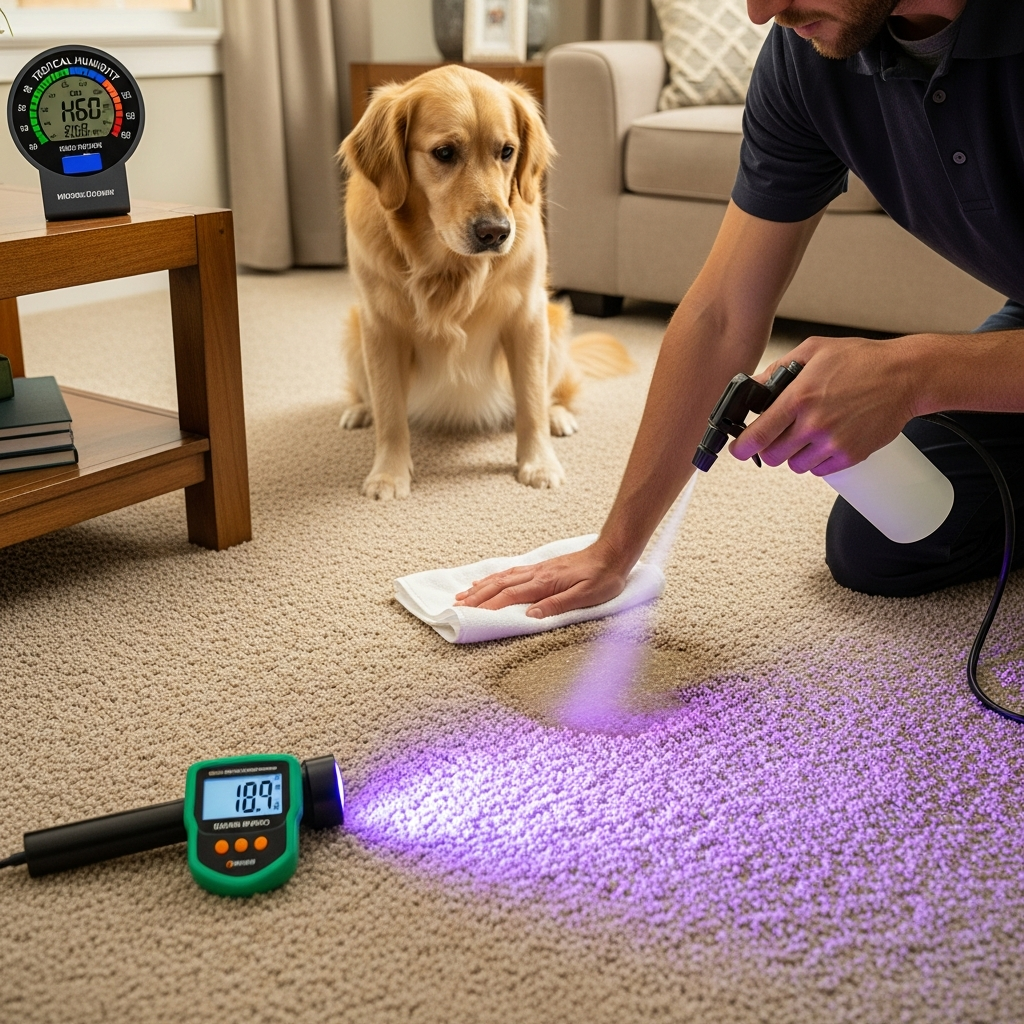
The Tampa Pet Owner’s Guide to Stain and Odor Relief
Life with pets in Tampa is joyful—and occasionally messy. Humidity, tropical downpours, and sandy paws can turn minor accidents into persistent stains and lingering odors. The good news is that with the right knowledge and a targeted plan, you can reclaim fresh, clean carpets without harsh over-scrubbing or risky home remedies. Early in your journey, it helps to understand the science of pet soils and why professional carpet cleaning methods are so effective at removing both the visible stain and the invisible odor source.
Pet accidents are complex. They contain proteins, salts, and bacteria that can soak past the face fiber into the backing and pad. In Tampa’s warm, humid climate, these residues can reactivate with moisture in the air, causing a return of odors even after surface blotting. Success requires three pillars: identifying the full contamination zone, applying the right chemistry to break down or neutralize residues, and performing deep extraction to remove the source—not just mask it.
Why Some Pet Odors Keep Coming Back
Urine contains urea and uric acid. When it dries, crystals can form and sit dormant in the backing. On a humid day or after mopping nearby, those crystals pull in moisture and release odor again, convincing homeowners that the stain has “returned.” In reality, the original contamination remained below the surface. That is why targeted treatment and thorough extraction are essential in coastal Florida homes.
First Response: What To Do Right After an Accident
- Blot Immediately: Use white absorbent towels. Press gently to lift moisture; do not rub, which can spread and damage fibers.
- Use Plain Water Sparingly: Add a small amount to re-wet and blot again, drawing more contamination up and out.
- Avoid Over-the-Counter Deodorizers: Some products leave residues that attract soil or lock in odors. If you must use a cleaner, test a tiny hidden area first.
- Increase Airflow: Run ceiling fans and HVAC to discourage musty smells and speed up evaporation.
Professional Process for Pet Stain and Odor Removal
A trained technician will assess the carpet with moisture meters, UV or black-light inspection, and nose/odor mapping to locate the full contamination. They choose chemistry that targets proteins and urine salts, often using enzyme or oxygen-based solutions. Gentle agitation helps penetrate fibers and backing. Hot water extraction then flushes away residues while carefully managing moisture to protect pad and subfloor.
In cases of heavy, repeated accidents, a more intensive protocol may include subsurface extraction or disengaging a section of carpet to treat the pad. Communication is key: your technician will explain options, likely outcomes, and what makes sense for the extent of the issue. For many Tampa households, a thorough hot water extraction paired with targeted neutralization dramatically improves both appearance and odor.
Tampa Climate: Humidity’s Role and How to Manage It
Humidity amplifies odor. Even a well-treated spot can hint at a smell if the home remains damp for long periods. Control indoor moisture by running the AC and keeping relative humidity in a comfortable range. After professional treatment, add airflow with ceiling fans and, if needed, portable air movers to speed evaporation. The faster the carpet dries, the less chance there is for odors to reemerge.
Common Pet Stains and What Works
- Urine: Enzyme boosters and urine salt neutralizers, followed by thorough rinsing and extraction.
- Feces: Protein and pigment removers, careful agitation, and hot water extraction.
- Vomit: Often acidic and pigmented; initial neutralization and color-safe oxygenation help, then rinse and extract.
- Wet Paw Tracks: Oily grime from outdoors; mild degreasers and rinse agents restore brightness.
Safe Chemistry for Households
Pet-friendly products and correct application matter. Overuse of any cleaner can leave residues that resoil quickly or irritate sensitive pets. Professionals use measured doses and thorough rinsing to balance effectiveness with safety. If you have specific sensitivities, share them before service so solutions can be tailored accordingly.
Dealing With Set-In Stains
Time and heat can set some stains more firmly. Sunlit areas might show yellowing or browning around old accidents due to fiber oxidation. Skilled spotters use gradual, fiber-safe techniques to avoid color loss while seeking the best improvement. For severe, long-standing contamination, technicians may discuss carpet repair or replacement options. Still, many Tampa pet households are surprised by how much clarity professional treatment can restore, even on older spots.
Odor Neutralization vs. Deodorizing
Neutralization changes the odor-causing compounds at the molecular level. Deodorizing covers smells with fragrance. In humid regions, deodorizing alone rarely lasts. The goal is to remove or neutralize the source with the least aggressive, most targeted chemistry, followed by a deep, balanced rinse.
Working With Your Pet’s Routine
Predictability helps. Crate training, scheduled walks, and consistent feeding times reduce surprise accidents. For senior pets or puppies, keep easily washable throw rugs near sleeping and feeding areas. After a professional treatment, reintroduce your pet to the space calmly and watch for repeat behaviors. Use pet-specific deterrents or training aids if a spot has become a habitual location.
Mid-Project Milestone: Visual and Odor Check
Midway through a whole-home cleaning focused on pet issues, technicians often invite homeowners to compare treated and untreated areas. Brightness returns, and the nose test improves. If your goal is a full reset for your home’s indoor air and softness underfoot, combining spot treatments with whole-room hot water extraction offers comprehensive results. As part of that plan, many Tampa families opt for professional carpet cleaning to remove the broader soil load that can trap odors and allergens beyond the original accident sites.
Prevention Strategies for Tampa Homes
- Entry Routines: Wipe paws after beach or park visits to reduce sand and organic matter.
- Hydration and Diet: Consistent routines reduce digestive upsets that lead to accidents.
- Accident Kits: Keep white towels, a small spray bottle of water, and a dedicated pet-safe spotter within reach.
- Humidity Control: Run AC during muggy spells and consider a dehumidifier in problem areas.
- Regular Vacuuming: Two to three times a week helps remove hair, dander, and tracked-in grit that hold odors.
When DIY Is Enough—and When It’s Not
For fresh accidents, immediate blotting and a light, pet-safe spotter can prevent deep penetration. However, persistent odors or yellow halos often indicate contamination below the surface. Consumer machines may re-wet the area without sufficient extraction, leading to wicking. If you notice repeating odors, visible rings, or dampness that lingers, it is time to call a professional who can neutralize at depth and manage drying.
Drying for Success
After any treatment, speed matters. Use airflow and HVAC to push dry times down. Avoid placing heavy furniture on treated areas until fully dry, and allow fibers to stand upright by gently grooming with a carpet rake. Quick drying reduces the chance of browning, prevents wicking, and keeps your pet from revisiting a damp, intriguing spot.
Frequently Asked Questions
Q: Can all pet urine stains be removed?
A: Many respond very well, but permanent dye change or fiber damage can remain in severe cases. Professionals focus on removing the contamination and improving appearance as much as the material allows.
Q: Is enzyme treatment safe for pets?
A: When applied correctly and thoroughly rinsed or extracted, enzyme products are pet-friendly. Keep pets off damp areas until dry.
Q: How long will my home smell fresh after treatment?
A: If the source is removed or neutralized, results last. Maintain airflow and humidity control, and address any new accidents promptly.
Q: Should I clean the entire room or just the spot?
A: Cleaning the whole room reduces contrast and removes surrounding soils that trap odors. Spot-only treatments can leave rings or visible differences.
Q: What if my pet re-soils the same area?
A: Use training aids, block access temporarily, and neutralize any residual odor thoroughly. Consider protective rugs while habits stabilize.
Q: Will cleaning make my carpet stay wet too long in Tampa?
A: With professional equipment and airflow, dry times are typically a matter of hours. The key is strong extraction, not over-wetting.
Give Your Home a Fresh Start
If pet messes have taken the shine off your living spaces, a targeted cleanup paired with a deep, balanced rinse can make a dramatic difference. Restore softness, remove odor at the source, and enjoy more time with your companions by scheduling professional carpet cleaning designed for Tampa’s climate and pet-friendly lifestyles.