
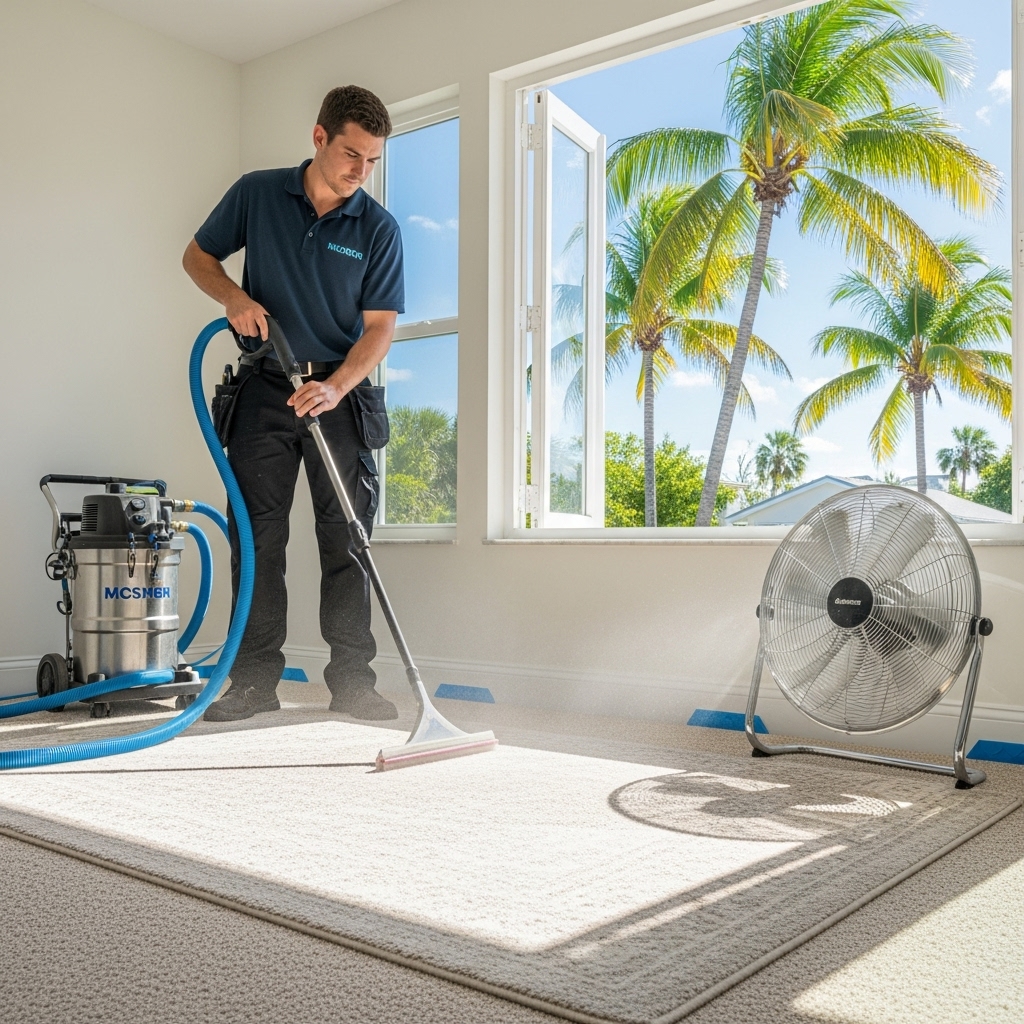
When you schedule professional carpet care in Tampa, you are investing in healthier indoor air, a refreshed look for your home, and longer life for your flooring. The Gulf humidity, afternoon storms, sandy soils from nearby beaches, and year-round foot traffic all challenge the cleanliness of carpet fibers in unique ways. Understanding what happens from the moment technicians arrive until the last fan is turned off will help you prepare your space, set realistic expectations, and get the best results from your appointment.
In the first minutes of your service visit, an experienced technician will complete a visual and tactile inspection. They are looking for fiber type, construction, wear patterns, specialty rugs, color loss, residue from previous cleaning agents, and any pet-related issues. They will ask questions about recent spills, allergies in the household, and areas you want prioritized. This thoughtful start sets the stage for a customized plan that matches your carpet’s needs with the right tools and chemistry. During this introduction, you can also confirm access, drying considerations, and post-cleaning recommendations to streamline the day.
It helps to think of professional carpet cleaning as a sequence of precision steps rather than simply “washing the carpet.” Each stage builds on the last to remove dry soil, dissolve sticky residues, flush contaminants, and recover as much moisture as possible for a quick dry.
How Professionals Prepare Your Home Before Cleaning
Preparation is part of the service and it starts with safety. Technicians will identify trip hazards, note delicate furnishings, and protect corners or entryways as needed. They may place corner guards to prevent hoses from rubbing painted surfaces and use floor protection at thresholds. If you’ve done a light declutter—lifting small items from the floor, securing pet areas, and moving light chairs—your team can move more efficiently. That said, most crews can carefully slide small furniture items to clean underneath and then replace them with protective tabs or blocks to prevent wood stain transfer while fibers dry.
Vacuuming is the first technical step. Even if you vacuumed earlier, pros use high-filtration commercial machines with strong agitation to pull out gritty soils, hair, and fine dust that lock into the base of the pile. Dry soil removal is critical because wetting carpet with sand and grit still inside can create mud that is harder to lift. Where soils are heavy, a rotary or counter-rotating brush (CRB) may be used to break loose embedded debris before extraction.
Spot Testing, Chemistry Selection, and Preconditioning
No two carpets are identical. Technicians test inconspicuous areas to confirm colorfastness and fiber type, especially for wool, blended fibers, or delicate area rugs. This quick step helps choose the appropriate cleaning agents—neutral for wool, enzyme boosters for proteins, solvent gels for oily spots, and oxygen-based products where safe for color. The preconditioning phase is where soils are chemically loosened from fibers. A fine mist of an appropriate solution is worked into the pile, often with a groomer or mechanical agitation, to ensure even coverage without over-wetting.
Individual spots are then addressed with specialty treatments. Protein-based spills like milk or blood are treated differently than petroleum-based oils or filtration lines along baseboards. Pet accidents call for targeted odor decontamination that reaches beyond the visible stain to the backing or even the pad. The goal is accurate chemistry with minimal product and dwell time tuned to the specific soil.
Cleaning Methods: What You’ll See and Why It Matters
In Tampa’s humid climate, the method chosen should balance deep soil removal with efficient drying. Hot water extraction (steam cleaning) remains the most recognized approach for residential settings because it flushes suspended soils from the carpet and recovers them quickly with powerful vacuums. Portable extractors or truck-mounted units may be used depending on access, building layout, and water supply. You will see wands or specialized tools gliding in steady, overlapping passes, followed by vacuum recovery that leaves fibers rinsed and refreshed.
Low-moisture cleaning, such as encapsulation, is another professional option for certain fiber types, commercial glue-down carpets, or lighter residential soiling. It uses polymers that surround soils, which are later removed by routine vacuuming. In some cases, a hybrid approach makes sense: low-moisture methods for general areas and hot water extraction for heavy traffic lanes or problem spots. Your technician will recommend the combination that fits your goals and your space.
When done correctly, hot water extraction uses carefully metered water, controlled temperatures, and balanced rinses to leave minimal residue. This minimizes re-soiling and helps carpets feel soft rather than “crunchy.” In the middle of your visit, you may hear a discussion about airflow, ceiling fans, and dehumidification. That’s because managing Tampa’s moisture is essential to faster drying and optimal results. During this stage, many teams explain why thorough carpet cleaning pairs with airflow management to control dry times and prevent musty odors.
Drying, Grooming, and Post-Cleaning Protection
After extraction, technicians often groom the carpet pile with a carpet rake. Grooming aligns fibers for uniform appearance, accelerates evaporation by opening the pile, and helps remove wand marks. Air movers may be placed strategically to increase circulation across cleaned areas. In Tampa, using your air conditioning to reduce indoor humidity can help shorten dry times. Most professional processes aim for a few hours of drying, though dense fibers, cooler indoor temperatures, and limited airflow can lengthen that window.
For homes with children or pets, your technician may discuss optional protector application to help future spills release more easily. Protector does not make carpet stain-proof, but it gives you more time to blot accidents before they soak in. In operational terms, protector application occurs after cleaning and grooming, then is worked into the pile and allowed to cure undisturbed as the carpet dries.
Furniture Handling and What You Should Move
Crews typically clean open areas and carefully clean around heavier pieces that you choose not to move. If you plan to have spaces fully cleaned wall-to-wall, arrange heavier furniture relocation ahead of time or clear rooms before the appointment. Technicians may place foam blocks or plastic tabs under furniture feet that remain in the room to prevent wood or metal from contacting damp fibers. You’ll be advised to avoid walking on tabbed areas until everything is dry.
How Long the Appointment Takes
Timeline depends on square footage, soil level, number of rooms, spot treatment needs, and furniture moving. Expect an initial walk-through, setup of hoses and equipment, thorough vacuuming, preconditioning and agitation, spot treatment, extraction, grooming, and a final inspection. A professional team balances careful technique with efficient workflow, keeping lines tidy, protecting corners, and communicating as they progress. If specialty odor treatments or heavy restoration are required, the appointment can take longer to ensure deep decontamination.
Aftercare: What You Can Do for the Best Outcome
Once technicians leave, a few simple habits protect your investment. Keep foot traffic light until dry, use fans and your HVAC to assist evaporation, and leave tabs or blocks in place until advised to remove them. If any spots reappear due to wicking from the backing, lightly blot and call the company for guidance; many offer a follow-up for persistent issues. Vacuum more frequently for the first week as grooming and airflow release additional dry soils. Establishing a maintenance schedule based on your lifestyle keeps carpets cleaner longer and extends the time between deep cleaning visits.
Understanding Tampa’s Unique Soil and Moisture Challenges
Coastal sand acts like tiny abrasives in the carpet base. Afternoon rain combined with high humidity increases the risk of slow drying if airflow is limited. Professionals compensate with thorough dry soil removal, controlled moisture application, and active drying techniques. If you track in sand regularly from the beach, you may benefit from additional entry mats and a routine of quick vacuuming. For pet-friendly homes, regular spot treatment and periodic deodorization keep indoor air feeling fresh despite humidity.
Common Myths About Professional Carpet Care
Myth: carpets get dirty faster after professional service. Reality: re-soiling typically occurs when soaps are left behind. Modern processes use rinse agents that neutralize and remove residues. Myth: more water equals cleaner carpets. Reality: smart chemistry, agitation, and controlled extraction do the heavy lifting. Myth: all stains can be completely removed. Reality: some dyes are permanent or have chemically altered fibers. Honest professionals will set expectations before they start. Myth: DIY machines deliver the same result. Reality: household units have limited heat, vacuum lift, and water recovery, which can lead to over-wetting and residue.
Green and Family-Safe Options
Today’s products include plant-based detergents, biodegradable encapsulants, and hypoallergenic rinses. A qualified technician balances effectiveness with safety, selecting solutions with no harsh odors and low volatility. They also reduce the need for strong chemistry by emphasizing physical removal—vacuuming, agitation, and thorough extraction. If you have specific sensitivities, mention them in the pre-inspection so appropriate alternatives can be selected.
Signs of a Professional Touch
Expect punctuality, clear communication, protective equipment, and tidy processes. Crews should use clean hoses, maintained machines, and appropriate safety practices. You’ll see attention to detail in how they edge along baseboards, address filtration lines, and groom the pile for a uniform finish. A final walk-through gives you time to inspect results, ask questions, and receive care tips tailored to your home.
Maintenance Between Visits
Keep soil out with quality walk-off mats, remove shoes indoors if that’s your household norm, and vacuum at least weekly with a machine that has good agitation and filtration. Promptly blot spills—never rub—and use a white cloth to avoid color transfer. Test any spotter in an inconspicuous area and use small amounts. For recurring pet issues, consider dedicated training plans and regular professional odor decontamination to prevent deep contamination of pad or subfloor.
Frequently Asked Questions
- How often should I schedule professional service? Frequency depends on traffic, pets, and allergies. Many homes benefit from once or twice per year, with more frequent attention for busy households.
- Will cleaning remove all pet odors? Deep contamination can require targeted odor treatments, sometimes addressing the backing or pad. Your technician will assess and recommend the appropriate approach.
- How long will my carpets take to dry? With good airflow and dehumidification, many carpets dry within several hours. Dense fibers or cool rooms can extend that time.
- Is the process safe for children and pets? Yes. Professionals use solutions designed for residential settings and rinse thoroughly. Let areas dry fully before heavy use.
- What about delicate fibers like wool? Wool requires neutral chemistry and cooler water temperatures. Technicians test and adapt the process for each fiber type.
- Do I need to vacuum beforehand? Light vacuuming helps, but professionals will perform thorough dry soil removal as part of the service.
- Can you guarantee every stain will come out? Some stains permanently alter dyes or fibers. Technicians will identify likely outcomes before starting.
- Why do some spots return after cleaning? Wicking from the backing can bring residues to the surface as carpets dry. A quick follow-up often solves it.
Final Tips and Next Steps
If you want the best outcomes in Tampa’s climate, pair periodic professional service with simple daily habits—vacuuming, mats at entrances, prompt spill response, and smart airflow management. Communicate openly with your technician about priorities, areas of concern, and any sensitivities in your household. That way, your service plan aligns with your lifestyle and your carpet’s construction.
Ready for Fresh, Comfortable Floors
Your home feels better when carpets look and smell their best. Schedule a visit with a trusted local team that understands Tampa’s humidity, sand, and lifestyle patterns, and ask for recommendations tailored to your rooms and routines. For a thorough clean, friendly guidance, and careful attention to detail, reach out today and book professional carpet cleaning that fits your space and schedule.